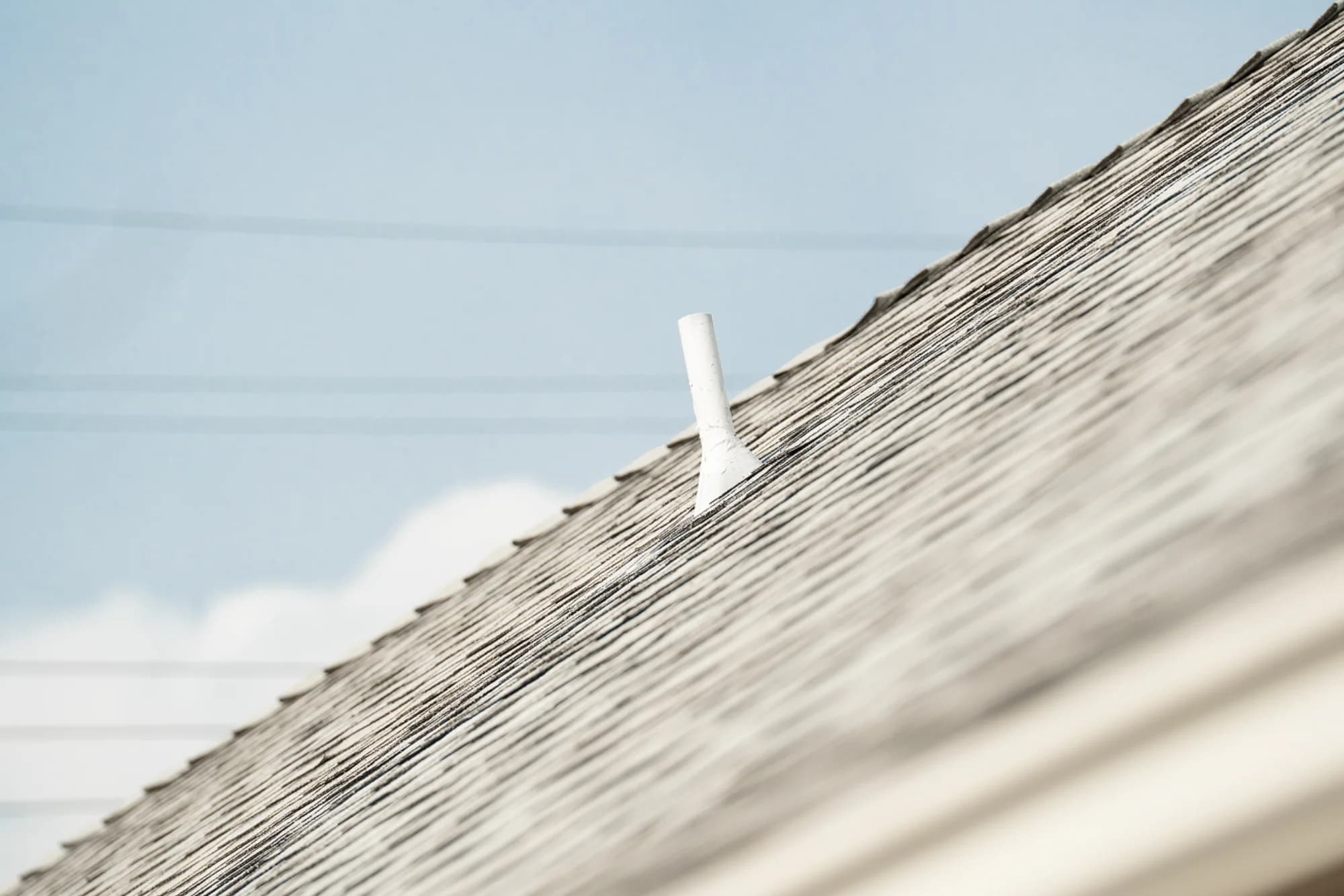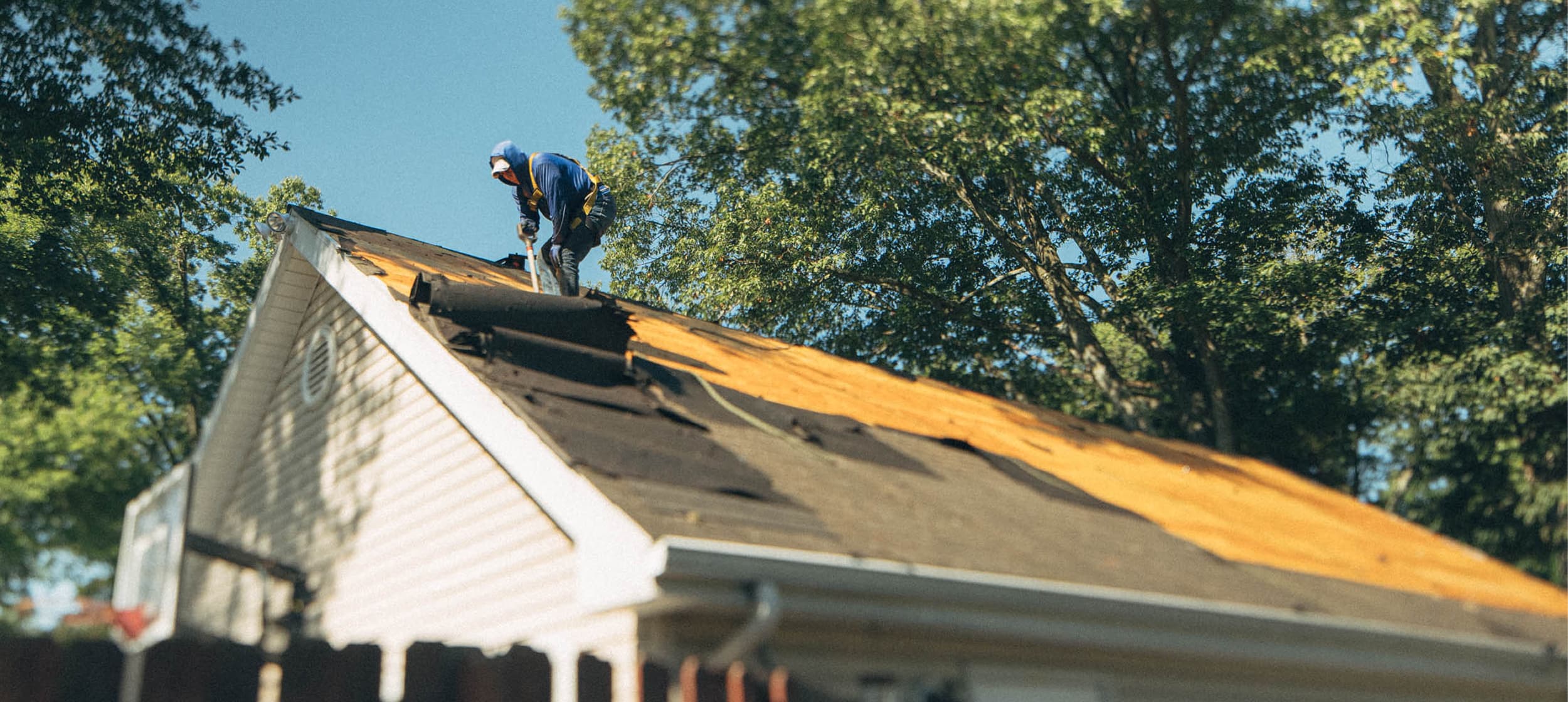
You might receive two bids to consider if an overlay or a tear-off is best for your roof. An overlay, which building codes call a roof recover, installs new shingles over the existing roof. A tear-off removes the old roofing down to the deck before the new roof goes on.
When an overlay is not allowed
The International Residential Code (IRC) is a model code. It becomes the rule only where a state, county, or city adopts it, sometimes with local changes. The city of Des Moines, Iowa, for example, requires home roofing to comply with Chapter 9 of the 2021 IRC and quotes its section R908.3.1.1 in its residential shingle handout (opens in a new tab). That section says a recover is not permitted when any of these is true:
- The existing roof or roof covering is water-soaked or has deteriorated to the point that it is not an adequate base for more roofing.
- The existing roof covering is wood shake, slate, clay, cement, or asbestos cement tile.
- The existing roof already has two or more applications of any type of roof covering.
- The shingle manufacturer’s installation instructions prohibit a recover.
Because each place adopts its own code edition and may amend it, the rule where you live may differ. Your local building department can tell you which code applies to your house.
What each bid should spell out
Overlay and tear-off bids are easier to compare when both describe the same things. Ask each contractor to write down:
- How many layers are on the roof now, and how they confirmed the count
- Whether the bid removes every layer or only the top one
- Whether underlayment, drip edge, and flashing are new or reused
- How any damaged decking found during the job will be priced and approved
If the answers on flashing differ between bids, ask why. Our flashing guide covers when it makes sense to replace it. For the rest of a side-by-side comparison, see Remi’s roof estimate checklist.
Weighing the savings against the next roof
An overlay saves the labor and disposal cost of removing the old layer. This layer still has to come off when the roof is replaced again, and under the IRC section above, a roof with two layers cannot take a third. Remi’s guaranteed price page illustrates the cost with a sample pair of quotes for the same roof. In that sample, a “2x shingle layer removal” change order adds $939 to the other contractor’s total and shows $0 on Remi’s guaranteed quote. This is an example on the page, not a stated policy on layer removal, so ask how extra layers are handled in your own quote.
An overlay costs less today, but the old layers still have to come off later. A tear-off lets the crew inspect the whole deck and fix it while the roof is open.
How Remi handles what tear-off uncovers
A common worry with a roof tear-off is that opening the roof will lead to extra charges. Under Remi’s guaranteed price, “the price we quote is the price you pay.” The guarantee covers replacement of any damaged or rotted decking, necessary fascia replacement, all required flashing replacements, and additional labor for necessary repairs.
Not every job has a guaranteed price, and your quote says when it does. When it does, the price we quote is the price you pay. A few exclusions apply; see the guaranteed price page.
they did both the tearing of the old roof and installation of the new one all in one day.
Tony describes one project. Confirm the removal scope, schedule and guarantee terms for your own roof.
Questions homeowners ask
It depends on the product. Warranty terms come from the shingle maker, so ask for the warranty and installation instructions for the exact product and check whether anything changes for a roof recover.
It depends on where you live. The Des Moines handout, for example, says reroofing does not need a building permit, but repairing or replacing sheathing or rafters does. Our permit guide explains how to check the rules in your area.
Sources and further reading
- City of Des Moines Permit and Development Center: Residential Asphalt Shingle Requirements (opens in a new tab) (checked 2026-10-25)
Product instructions, warranty terms and local requirements can change; use the documents that apply to your project.