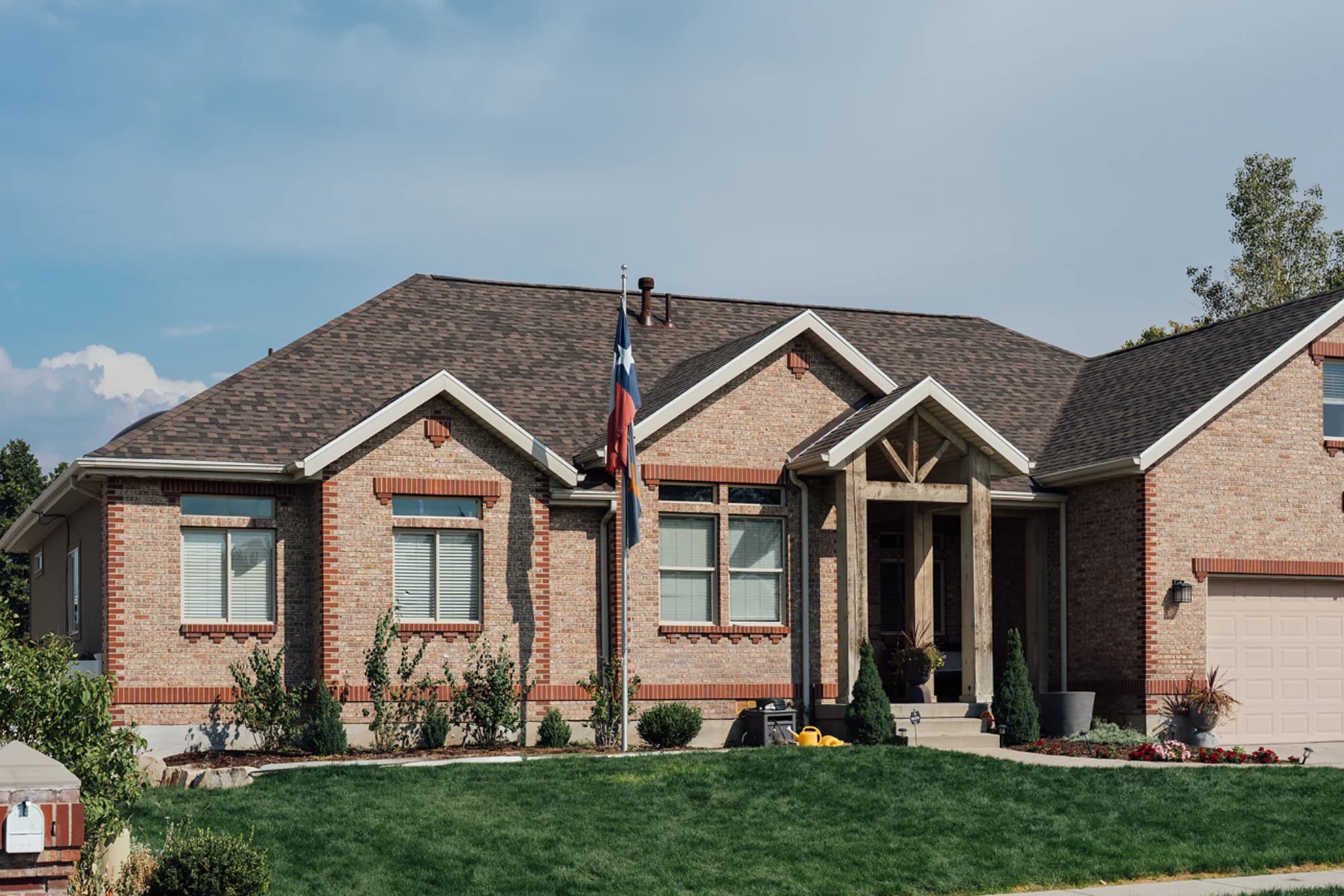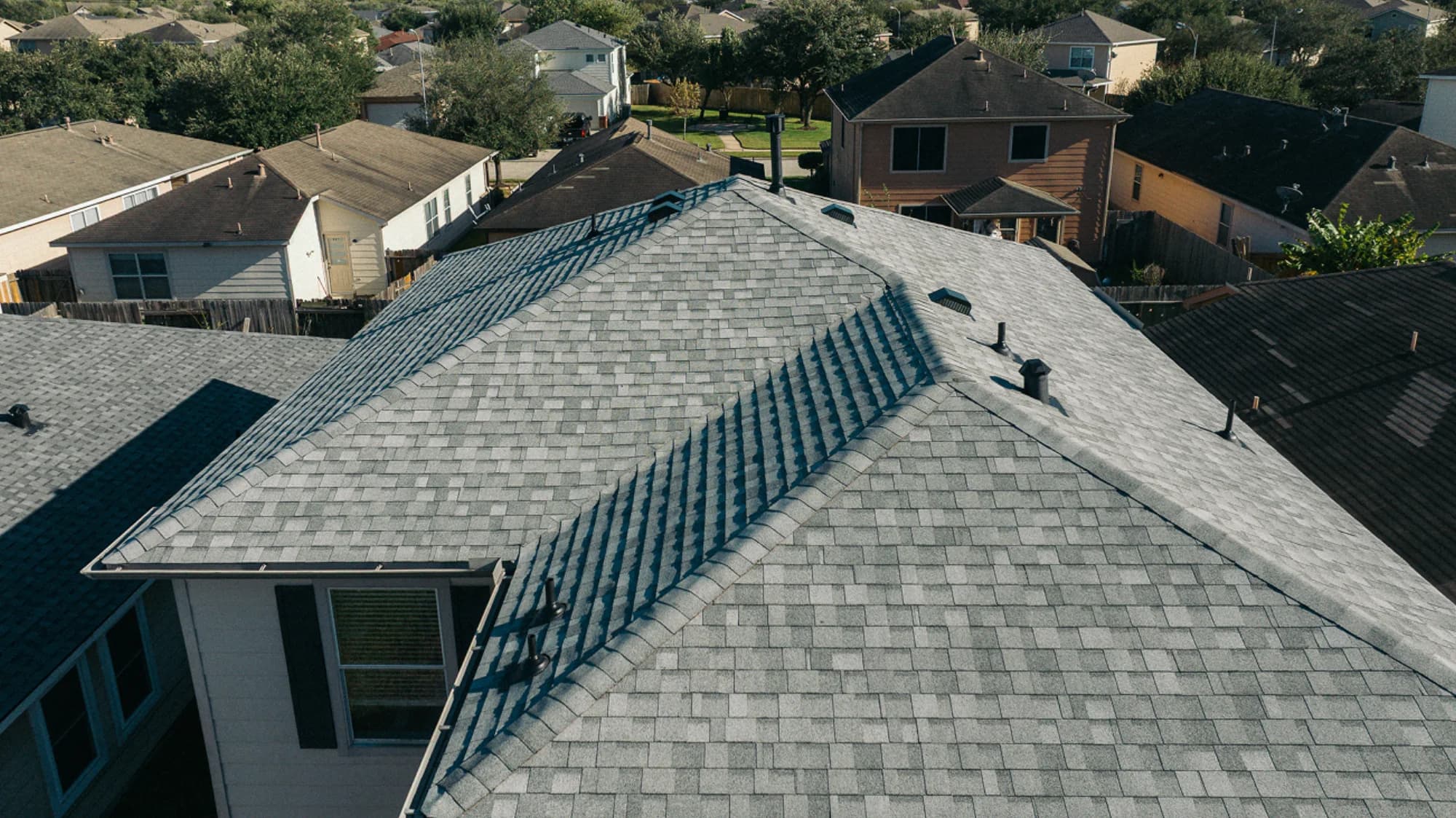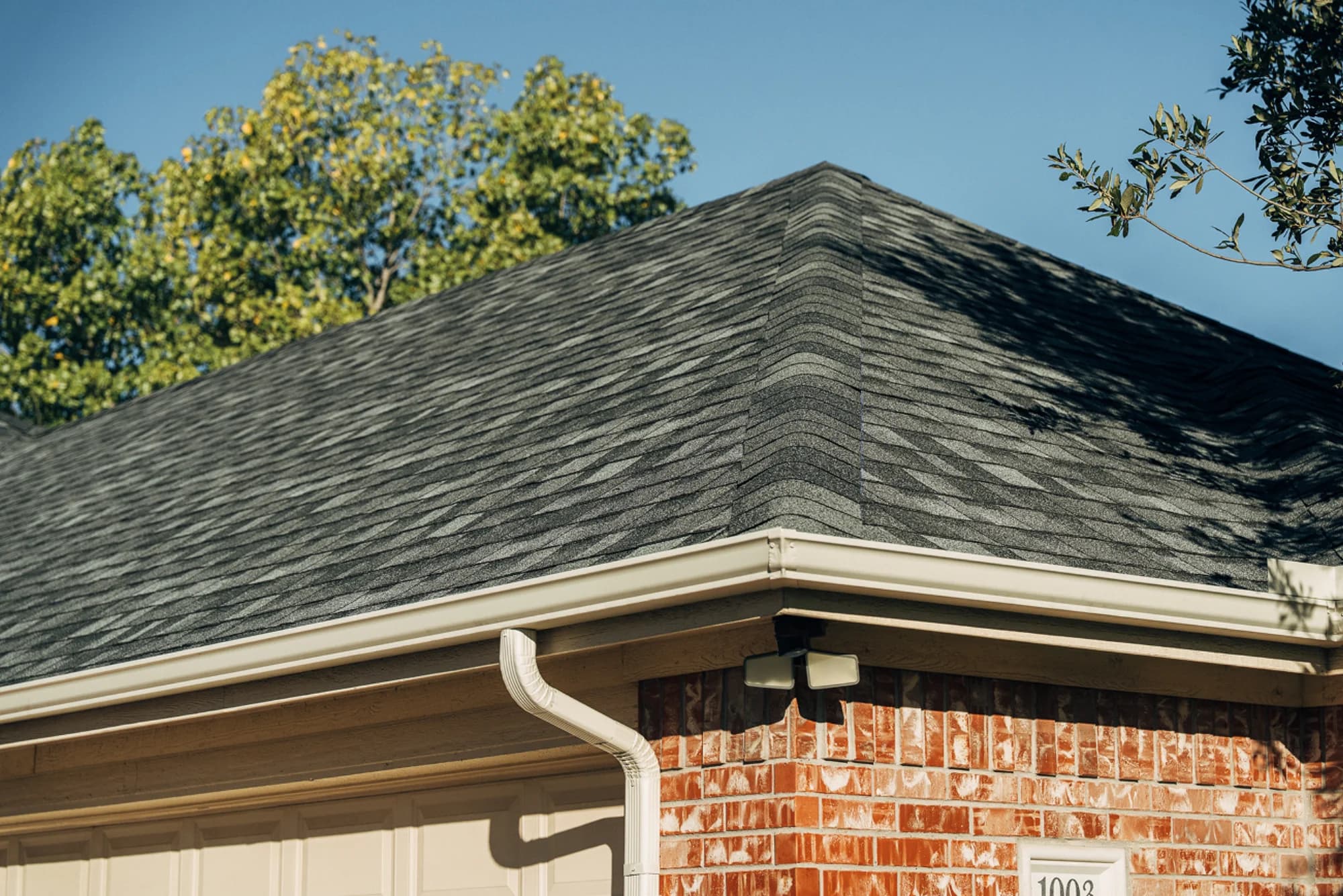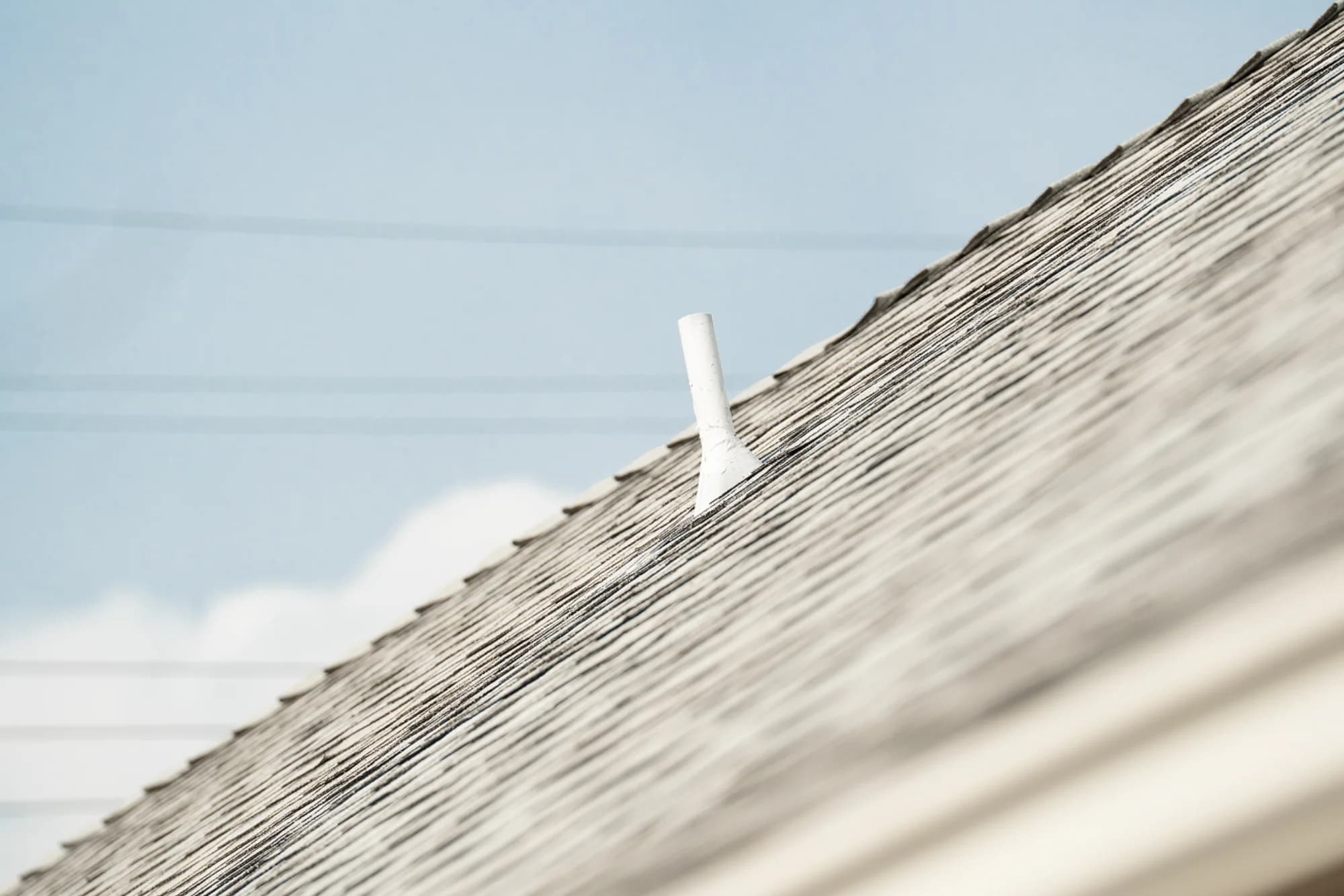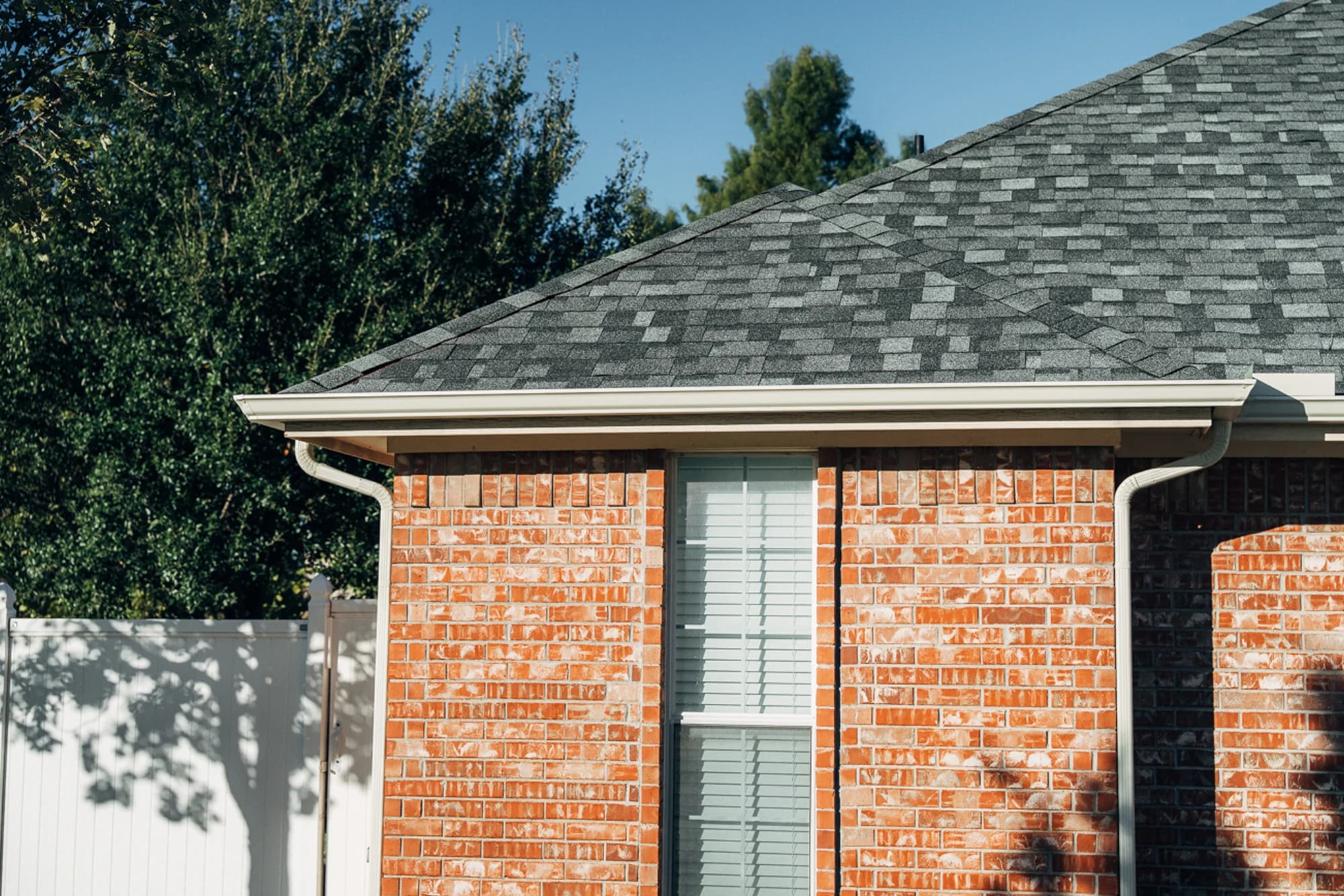
When you are paying for new shingles, do the metal pieces around your chimney, walls, and pipes get replaced too? Often they should be. There are two reasons why. First, worn flashing generally cannot be reinstalled. Second, flashing that is cut for your old shingles may not fit the new ones.
Where flashing sits on your roof
Flashing is the material that keeps water out where the roof meets another surface. The International Residential Code (IRC), a model code that many cities and counties adopt, requires flashing at wall and roof intersections, wherever the roof changes slope or direction, and around roof openings, according to the City of Hopkins, Minnesota summary of IRC Section R903.2 (opens in a new tab). Metal flashing must be corrosion resistant and at least 0.019 inch thick.
| Location | Common type of flashing |
|---|---|
| Sidewalls and dormers | Common type of flashing Step flashing |
| Chimneys | Common type of flashing Flashing set to the shingle maker’s instructions, often with counterflashing |
| Valleys | Common type of flashing A metal or roll-roofing valley lining |
| Plumbing vents | Common type of flashing Pipe boots, also called pipe jacks |
| Skylights | Common type of flashing A flashing kit matched to the skylight |
| Eaves and rakes | Common type of flashing Drip edge along the roof edges |
What the code says about reusing flashing
Knowing where flashing sits leads to the next question: can those pieces go back on? The IRC’s reroofing section (opens in a new tab), as published by the City of Plainview, Texas, states that existing vent flashing, metal edgings, drain outlets, collars, and metal counterflashings shall not be reinstalled where rusted, damaged, or deteriorated. The same section says flashings are to be reconstructed according to approved manufacturer’s installation instructions.
This leaves room to keep flashing that is in good condition. Section numbers and wording can differ by code edition, and your local building department sets the rule that applies to your home.
Why new shingles can call for new flashing
Condition is not the only factor. Flashing also has to fit the new roof. Owens Corning’s instructions for Duration Series Shingle (opens in a new tab) instruct that step flashing should be at least 4x4x8 inches and 2 inches wider than the shingle exposure where the roof meets a sidewall or chimney. If your new shingles have a different exposure than the old ones, flashing cut for the old roof may not meet this requirement.
What a flashing line in your bid should say
Because flashing can be kept, replaced, or found worn only after tear-off, bids can treat it very differently. Many list it on a single line, such as “flashing included,” without saying which pieces are new or what happens if worn flashing turns up later. When you compare bids, it helps to ask:
- Which flashing locations will get new material, and which will be kept?
- If a piece is kept, what condition was it in, and how was that checked?
- If damaged flashing is found after tear-off, is it covered in the price or billed as extra work?
Remi’s guaranteed price covers this. Our guaranteed price covers all required flashing replacements, plus pipe jack and pipe boot replacements. Not every job has a guaranteed price, and your quote says when it does. When it does, the price we quote is the price you pay. A few exclusions apply; see the guaranteed price page. On a roof Remi installs, flashings are among the items listed under Remi’s 5-year workmanship warranty. The roof warranty guide explains how that coverage differs from a manufacturer’s warranty.
The crew was highly professional and respectful throughout the process.
Margarita describes the crew on one project. Your written scope establishes which flashing will be replaced.
When flashing meets siding, masonry, or a skylight
Some flashing tucks behind siding or into a chimney. Replacing it can mean disturbing the siding or masonry, then putting those surfaces back. Ask your roofer who handles that part of the work and whether restoring the siding or masonry is in the scope, so nothing gets missed.
Skylights have their own flashing kits, and the right kit depends on the skylight’s model and mounting type. Our skylight guide walks through whether to keep, reflash, or replace the unit itself.
Itemized roof quote
Get an itemized roof quote
A Remi quote is itemized, so you can see what your roof replacement includes before you decide.
Questions homeowners ask
Only some of it. Step flashing and valley linings end up mostly covered by shingles or siding. Asking your roofer for photos taken during installation gives you a record of work you cannot see later.
It depends on your local rules. Kick-out flashing steers water away from the wall where a roof edge runs into a sidewall. The City of Hopkins, Minnesota requires it when a home is reroofed and resided at the same time, but not for a reroof alone, so ask your roofer what your building department expects.
Sources and further reading
- City of Plainview, Texas: Residential Re-Roofing Requirements (IRC Section R907) (opens in a new tab) (checked 2026-10-22)
- City of Hopkins, Minnesota: Flashing (opens in a new tab) (checked 2026-10-22)
- City of Hopkins, Minnesota: Kick Out Flashing (R903.2.1) (opens in a new tab) (checked 2026-10-22)
- Owens Corning: Duration Series Shingles Installation Instructions (opens in a new tab) (checked 2026-10-25)
Product instructions, warranty terms and local requirements can change; use the documents that apply to your project.