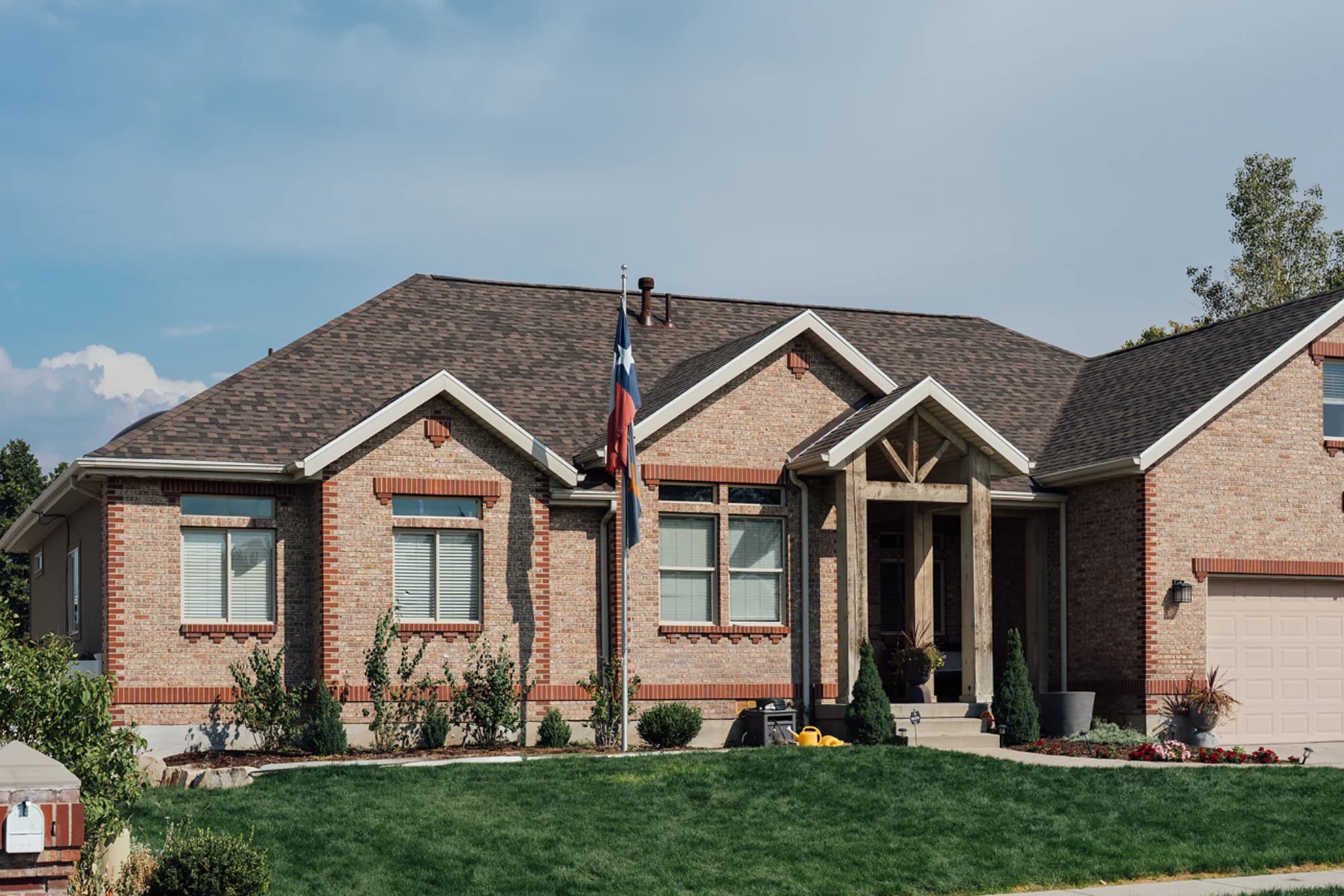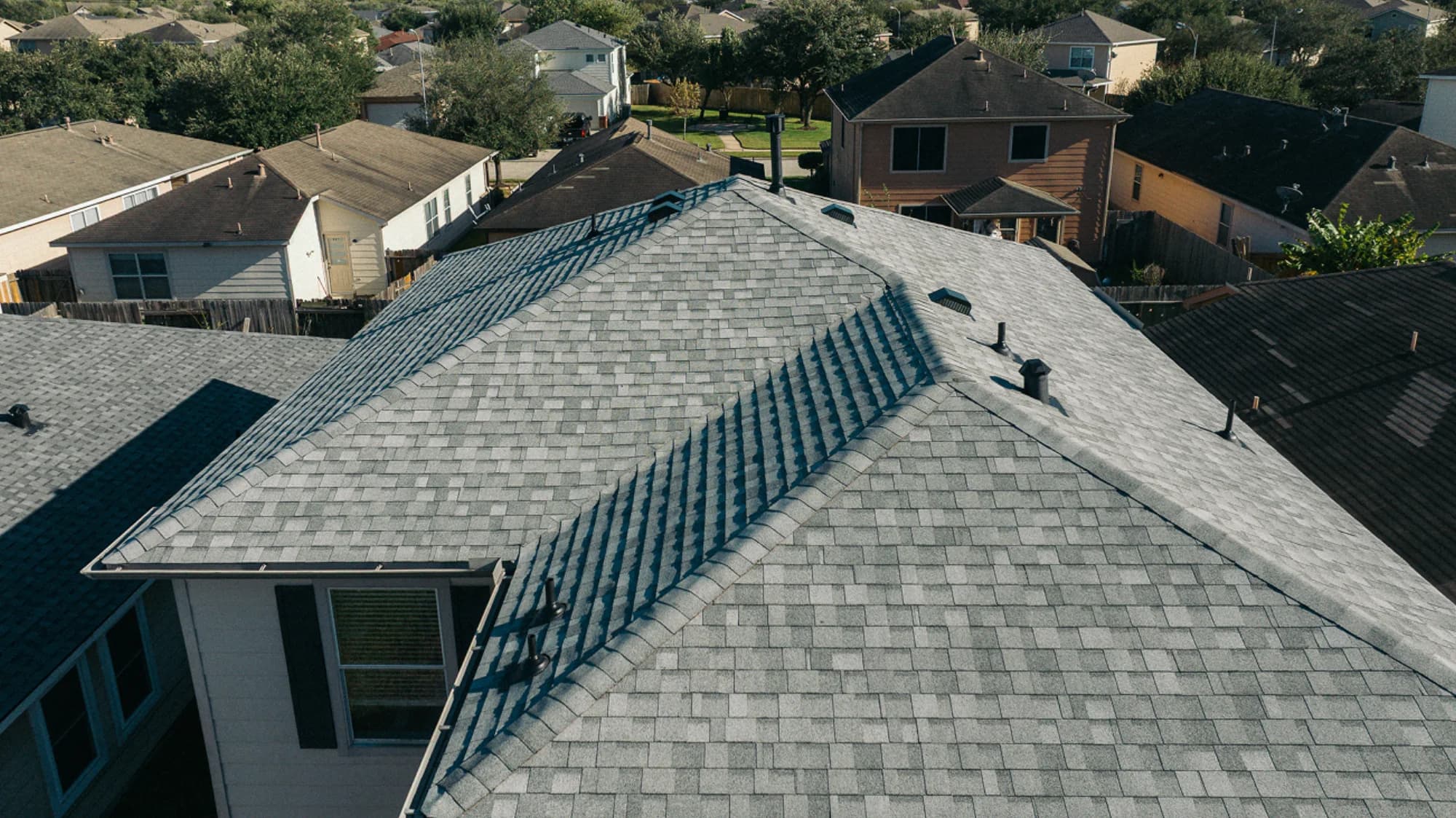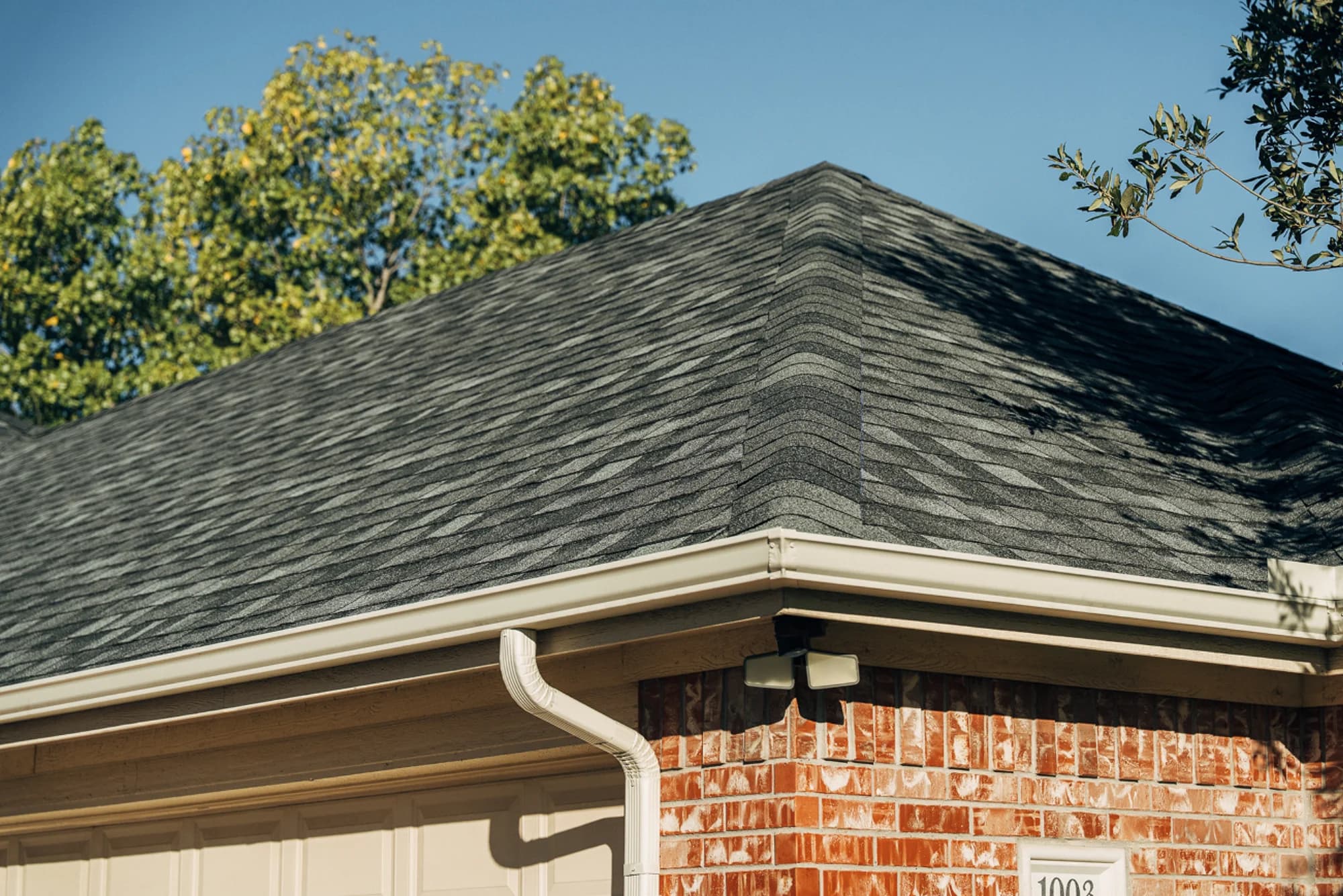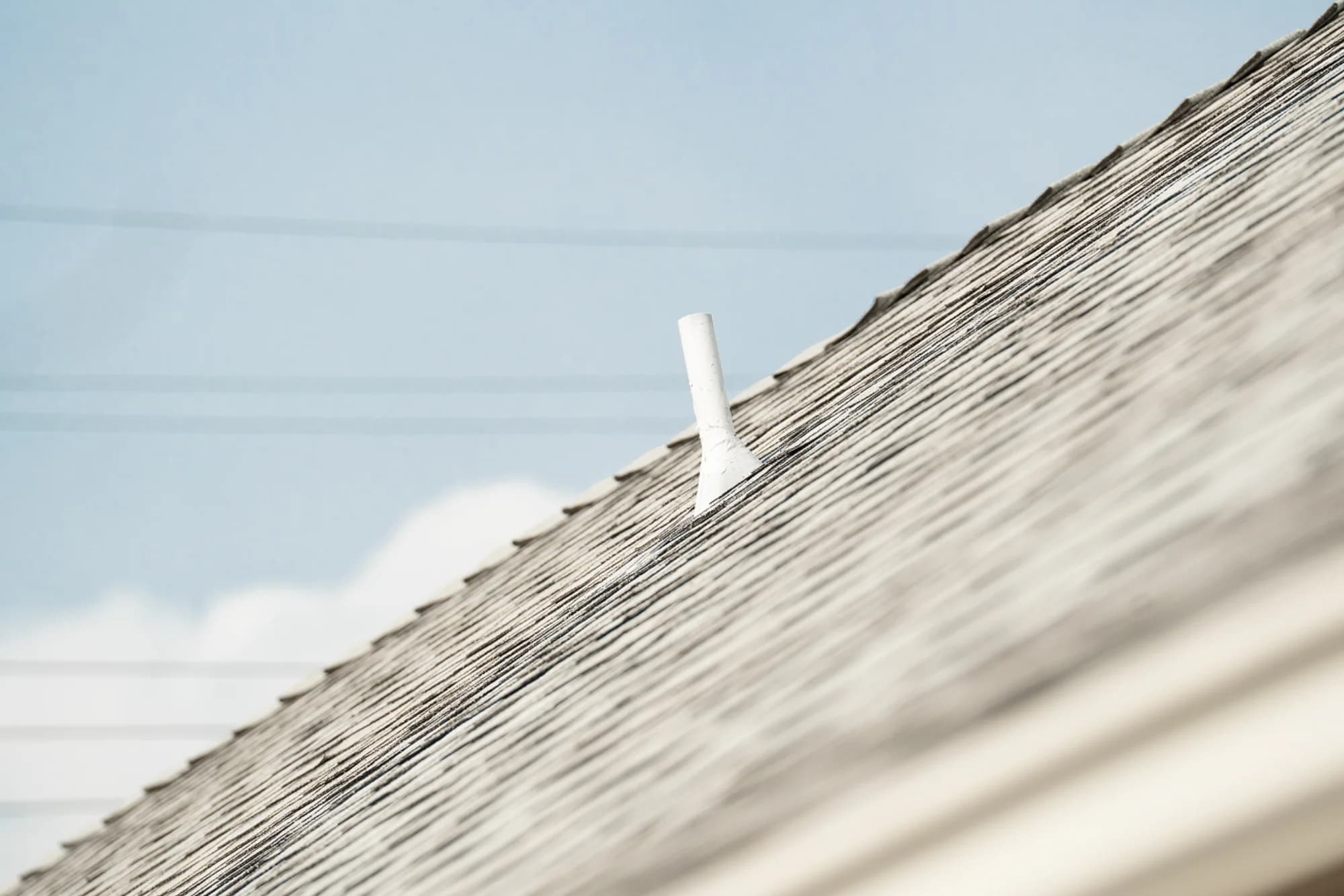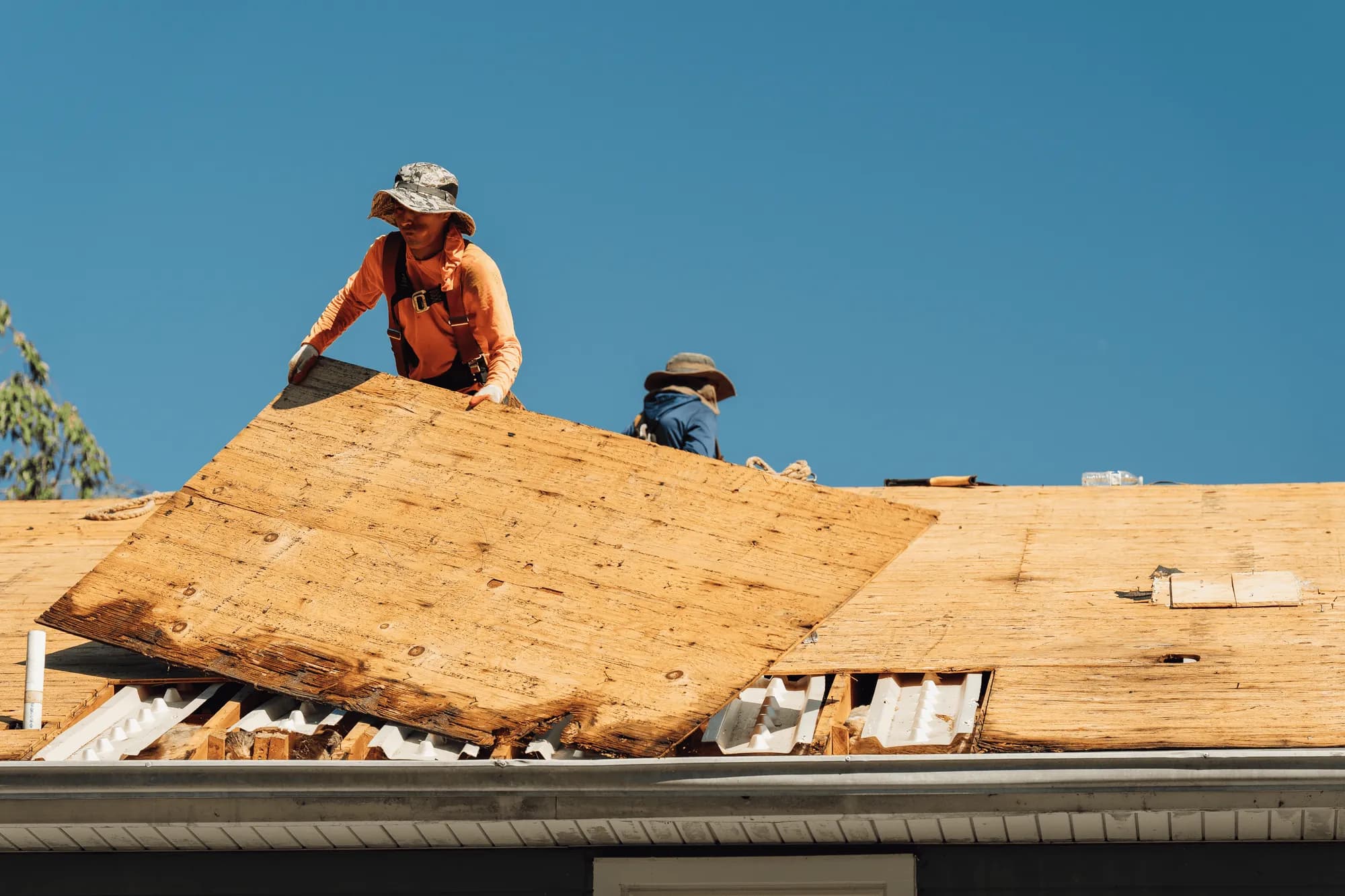
A new roof does not automatically need full decking replacement. Most of the time, the crew replaces only the sections that are damaged or rotted. The difficulty is that much of the decking is hidden under the old shingles. You usually won’t know until the old shingles come off.
What roof decking is
Roof decking, also called sheathing, is the layer of wood boards or panels that sits on top of your rafters or trusses. Underlayment and shingles are fastened to it. IKO’s Cambridge shingle instructions (opens in a new tab), for example, say the deck must be smooth, firm, clean, dry, and securely nailed, with plywood panels at least 3/8 inch thick.
Decking is not the same thing as the framing that holds the shingles up. If a crew finds damage that goes past the decking into a rafter or truss, that is a structural repair. It is worth asking how it would be explained and priced.
Why you often cannot know until tear-off
Before the job, a contractor can look for warning signs such as soft spots, a history of leaks, or stains visible from the attic. These checks are helpful, but they are limited. Possible damage can be hidden under the shingles. Be sure to ask the contractor which areas they were able to check and which they could not.
The more accurate assessment occurs at tear-off. Remi’s timeline outlines that on the first day, the crew removes the old roofing, inspects the deck, and replaces any damaged sections before underlayment goes down.
Sometimes the issue is not damage at all. Some older homes have spaced boards with gaps between them instead of a solid deck, often left from an earlier cedar shake roof. Instead of swapping out a few rotted panels, the approach for this roof would be installing new sheathing. It is worth asking about early if your home once had a wood shake roof.
How decking is often priced in other bids
Because the amount of damaged decking is unknown until tear-off, many roofing bids include a small decking allowance or a per-sheet price for anything extra. The initial quote can look low, but the final bill depends on how much rotted wood turns up. When you compare bids, look for:
- How much decking, if any, is already included in the price
- What each additional sheet or square foot costs, and whether that covers labor and disposal
- Whether you approve extra decking before the crew installs it, and how that approval is recorded
In California, for example, the Contractors State License Board (opens in a new tab) says any change to the contract price or scope must be made with a written change order signed by you and the contractor before the change is made. Even where your state does not require it, getting extra work approved in writing gives you a clear record. Our roof estimate guide explains what a written estimate should say about conditions the crew can’t see until tear-off.
How Remi handles decking
Remi’s guaranteed price takes the per-sheet question off the table. When your quote has a guaranteed price, replacement of any damaged or rotted decking is covered in the price you are quoted, so it does not show up later as a change order. The guarantee page puts the typical cost of replacing damaged decking at $2,400 to $8,600.
A lot of roofers charge extra for plywood replacement, not them.
Michael’s review describes one project. Confirm the guarantee’s eligibility and exclusions in your own quote.
The guarantee has two exclusions. It doesn’t cover new structural decking where none exists, which Remi notes is very rare and typically happens only when asphalt shingles were laid over cedar shake with no decking. It also excludes elective fascia upgrades beyond code. Projects quoted under special discounts or promotions may not be eligible, so refer to your quote or ask your Remi team for details.
Roof quote
Get a roof quote
A Remi quote is built from aerial measurements and, in many cases, is ready in about 15 minutes.
Questions homeowners ask
Ask your contractor to photograph damaged areas after tear-off and before new decking goes on. The photos should show where on the roof the damage was, not just a close-up of the wood.
It can. According to Remi’s timeline, rotted decking found during tear-off must be repaired before shingles go on. This can add half a day or more depending on how widespread the damage is.
Sources and further reading
- California Contractors State License Board: Learn About Home Improvement Contracts (opens in a new tab) (checked 2026-10-25)
- IKO: Cambridge Shingles Application Instructions (opens in a new tab) (checked 2026-10-25)
Product instructions, warranty terms and local requirements can change; use the documents that apply to your project.