Frequently asked questions
How long does a roof replacement take?
Key Takeaways
Most roofs take 1 to 3 workdays.
Solar can add 1 to 2 days.
The work follows a clear sequence.
Roof size and complexity drive the schedule.
The most common delays are decking repairs and weather.
Remi keeps the timeline predictable.
Most roofs take 1 to 3 workdays
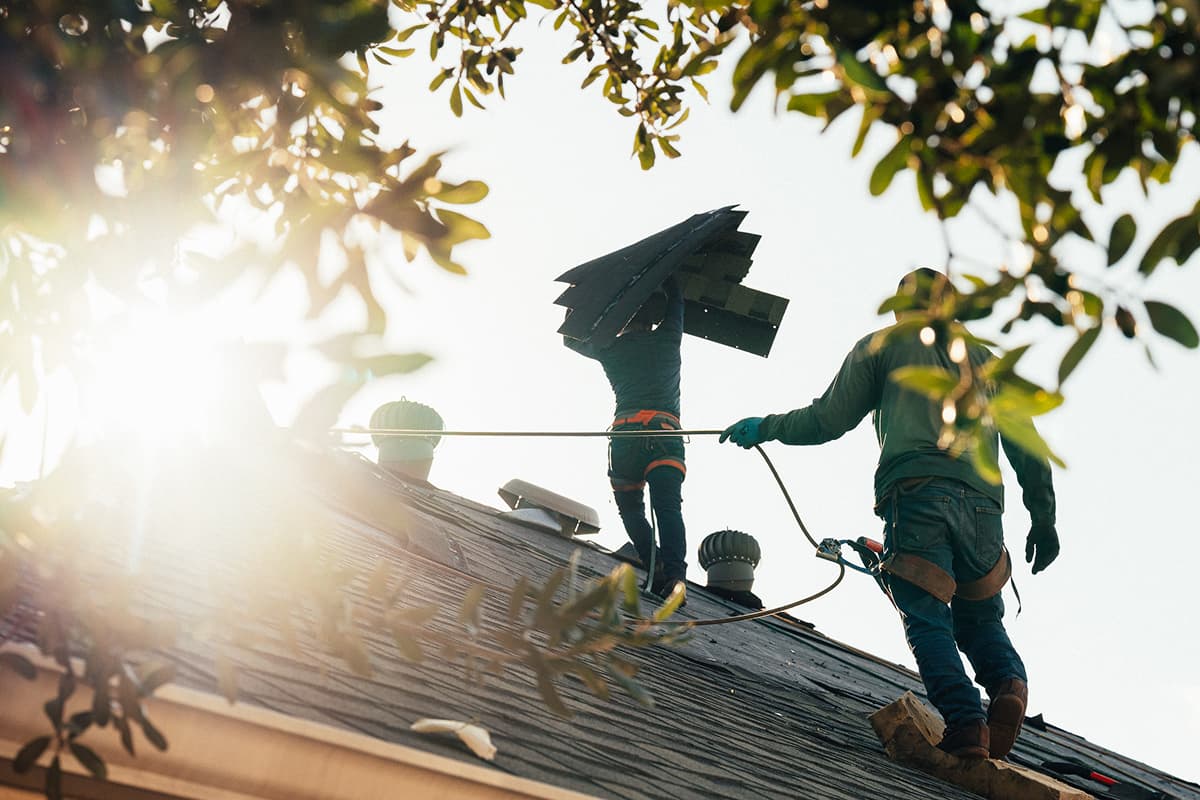
Once the crew starts, most homes are completed in 1 to 3 working days. That includes tear-off, underlayment, shingles, and cleanup. Larger roofs and complex layouts can push the job toward the longer end of that range.
Solar can add 1 to 2 days
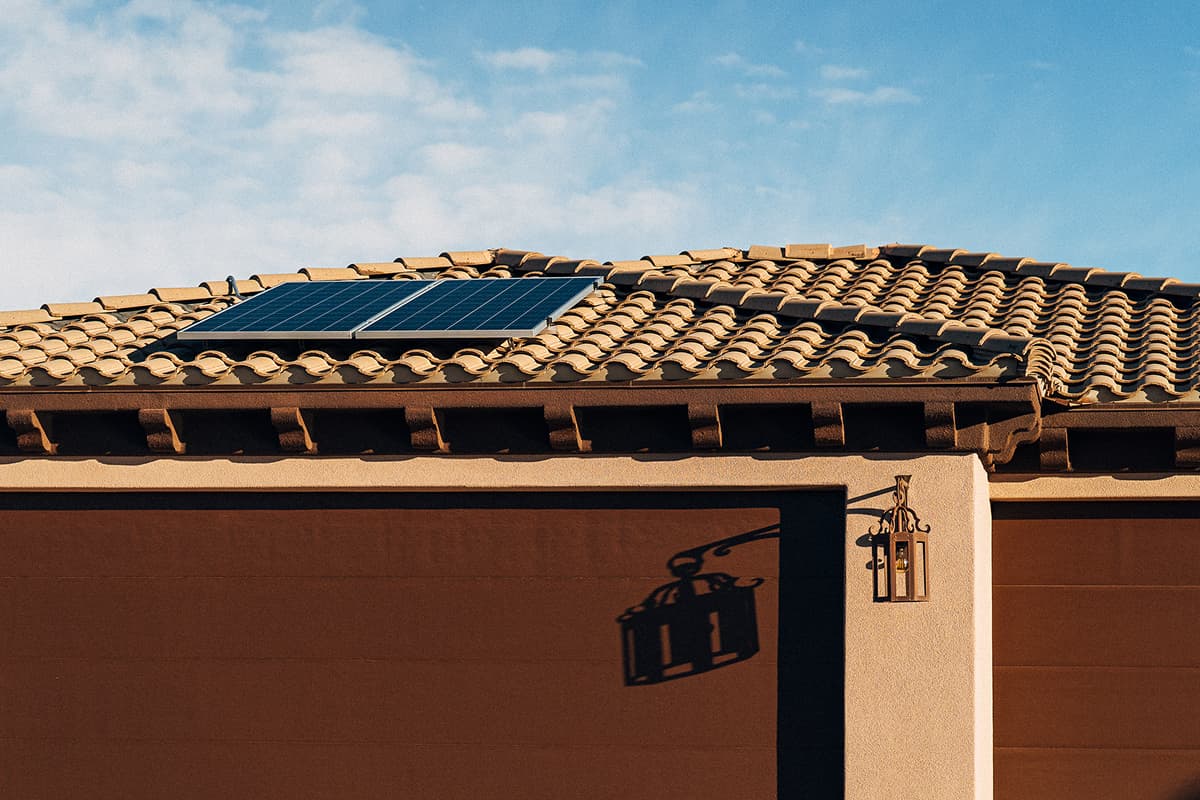
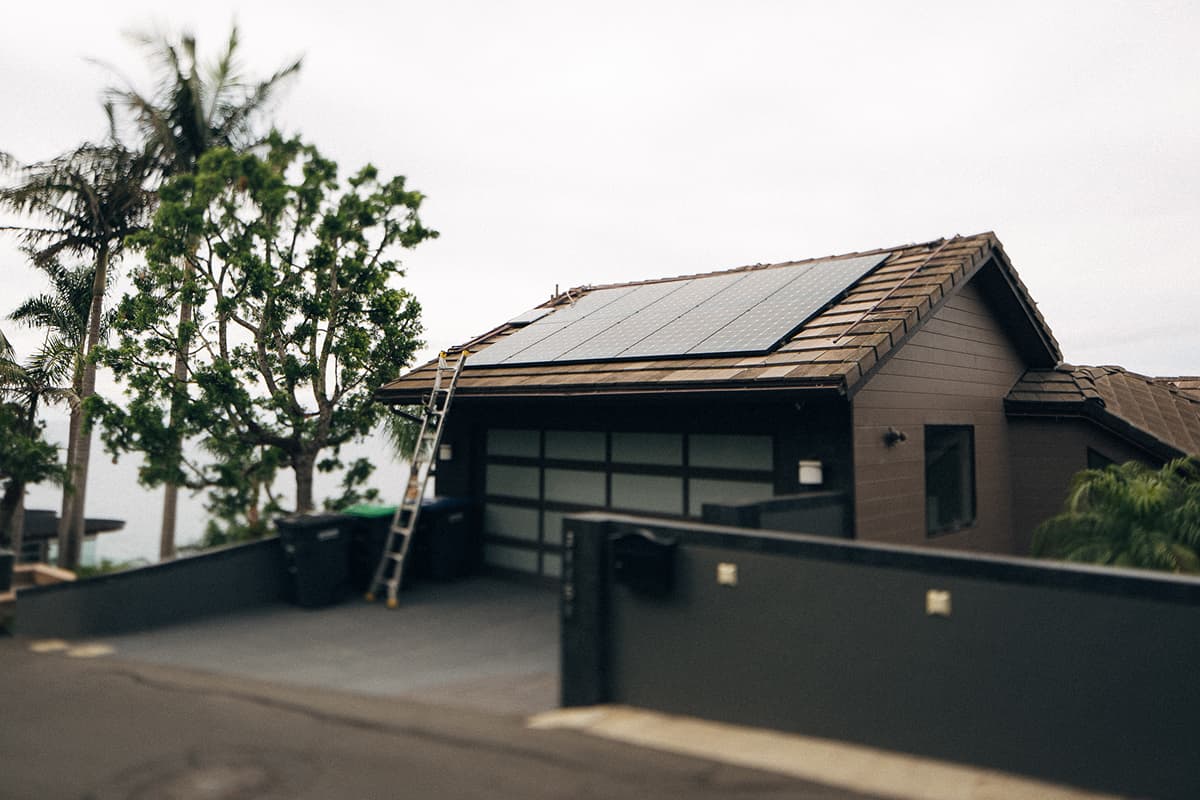
If solar panels need to be removed before roofing and reinstalled after, the roof itself can still move quickly. The overall timeline depends on coordinating the solar crew on both ends. Remi will schedule those steps so the roof and solar work do not conflict.
The work follows a clear sequence
Day 1 is typically the biggest day. The crew removes the old roofing, inspects the deck, replaces any damaged sections, installs underlayment, and starts laying shingles. Day 2 is typically finishing shingles, flashing around chimneys and penetrations, ridge caps, ventilation, and detail work. A third day is less common and is usually reserved for final touches, extra cleanup, or weather-related interruptions.
Roof size and complexity drive the schedule
Square footage matters, but shape matters too. Steep pitches, multiple valleys, dormers, skylights, and chimneys add time because each detail has to be cut, flashed, and sealed correctly. Safer work on steep roofs also means slower work.
The most common delays are decking repairs and weather
If the crew finds rotted decking during tear-off, that section must be repaired before shingles go on. That can add half a day or more depending on how widespread the damage is. Weather is the other big variable. Rain stops roofing immediately, and a wet deck can delay the restart.
Remi keeps the timeline predictable
The fastest installs are the ones that are planned. Remi confirms the scope, materials, and start date before the crew shows up. Then Remi shares clear, proactive updates so you are not guessing when work starts, what happens next, or when the job is ready for inspection.
Permitting, scheduling, and final inspection can take longer than the install
Even when installation is quick, permits and inspection windows depend on your city. Remi handles permitting and scheduling, then books the final inspection. The job is not considered complete until it passes inspection.
Still have questions?
Your Remi team is available to help with anything, from scheduling, to materials, or just checking on progress. Reply to any of our texts or give us a call.