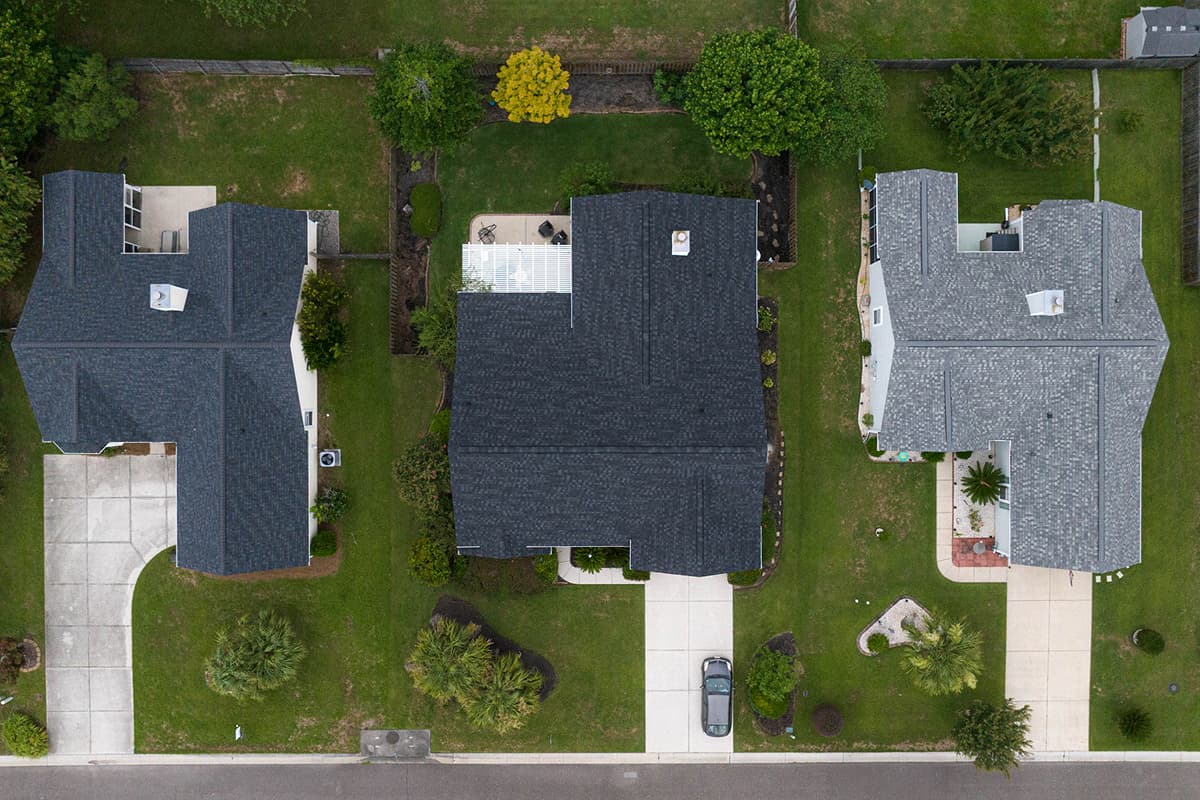
A useful roof replacement estimate tells you what is being removed, what is being installed, how surprises will be priced, who handles the permit and cleanup, when payment is due, and which warranties apply. If a line is vague, ask for the product or process in writing before you compare totals.
This is the part many homeowners miss: two estimates can show the same square footage and still describe different roofs. Use the checklist below to compare the scope line by line. If you already have a written quote, Remi can also do a like-for-like quote comparison.
Start with a written scope you can point to
The Federal Trade Commission advises homeowners to get multiple written estimates and says an estimate should include a description of the work, the materials, the completion date, and the price. The National Roofing Contractors Association similarly recommends a written proposal with complete work specifications, approximate start and completion dates, payment procedures, and warranty terms. Read the FTC homeowner guidance. (opens in a new tab) Read the NRCA contractor checklist. (opens in a new tab)
Those are useful minimums. For a roof, the description also needs enough detail to show which system each contractor has priced. A line such as “complete roof replacement” does not tell you the shingle product, the layers beneath it, or how the crew will handle flashing, vents, and deteriorated wood.
Make sure the estimate describes a roof system
Shingles are the visible layer, not the entire assembly. Manufacturer system guidance separates the roof into components such as leak barriers, deck protection, starter strips, shingles, ventilation, ridge caps, and related accessories. The exact design depends on the house, product, climate, and local code, but the estimate should make clear which components are part of this job. See one manufacturer's component overview. (opens in a new tab)
Roof estimate checklist
Use these six scope checks when you compare estimates.
- Roof covering
- Manufacturer, product line, shingle type, color, and warranty tier
- Water-shedding layers
- Deck protection, leak barrier, starter strip, drip edge, and ridge cap
- Openings and airflow
- Flashing, pipe boots, vents, intake, exhaust, and any ventilation changes
- Existing roof
- Number of layers removed, disposal, decking inspection, and repair pricing
- Jobsite and approvals
- Permit responsibility, delivery, property protection, cleanup, and inspection
- Schedule and coverage
- Start window, payment milestones, workmanship warranty, exclusions, and change orders
Do not assume a missing line is included somewhere else. Ask the contractor to label it as included, excluded, not applicable, or to be priced after inspection. That answer is far easier to compare than a promise made only in conversation.
Ask how the estimate handles what the crew cannot see yet
Decking under the existing roof is the common example. Some damage may not be visible until the old materials come off. That uncertainty does not require a guess, but it does need a written pricing method.
- How much decking, if any, is already included?
- What unit or method will be used to price additional decking?
- Who documents the condition and who approves the added work?
- Will work pause for approval, and what happens if the homeowner cannot be reached?
Use the same approach for flashing behind siding, chimney details, concealed water damage, extra roof layers, and access conditions. A sensible estimate names the uncertainty and describes the change-order process. It should not pretend that an unseen condition is already known.
Put the ordinary jobsite details in writing
A roof can be specified well and still produce a rough experience if nobody has defined the handoffs. The proposal should answer the practical questions that shape the week of installation.
- Permit and inspection: who confirms the local requirement, who pulls the permit, and who schedules the final inspection.
- Schedule: the expected start window, estimated duration, and what can move those dates.
- Property protection: how the crew will handle landscaping, siding, windows, driveways, attic dust, and material delivery.
- Cleanup: debris removal, nail collection, gutter or downspout work, and the final walkthrough.
- Other systems: who coordinates solar panels, gutters, satellite equipment, or another contractor if they affect the roof work.
Permit and contract rules vary by state and locality. An estimate should identify responsibility for your property, not make a broad claim that the same process applies everywhere.
Separate the price, payment schedule, and warranty
The project price tells you the expected total for the written scope. The payment schedule tells you when money is due. The warranty tells you what happens after installation if a covered problem appears. These are related, but they are not interchangeable.
Write down manufacturer coverage and contractor workmanship coverage separately. Manufacturer materials, system tiers, contractor labor, exclusions, registration, and transfer rules may be handled differently. GAF's homeowner warranty explanation, for example, distinguishes product coverage from workmanship coverage and tells homeowners to check the exact warranty offered for the system. Read the manufacturer warranty overview. (opens in a new tab)
Also check the deposit, progress payments, final-payment trigger, accepted payment methods, financing terms if used, and any fee or condition tied to cancellation. If a verbal answer matters to your decision, ask for it in the written agreement.
Compare two estimates without getting lost
- 1Match the products. Compare the same shingle line, underlayment, ventilation approach, and accessory quality.
- 2Match the quantities and roof areas. Confirm which structures, slopes, layers, and penetrations each estimate includes.
- 3Mark every unknown. Put a box around allowances, unit prices, exclusions, and any item waiting on tear-off.
- 4Compare the workflow. Look at permits, delivery, property protection, cleanup, inspections, and communication.
- 5Compare the coverage. Read the workmanship and manufacturer warranty documents, not only the warranty length.
- 6Then compare totals. A fair price comparison begins after the scopes match.
How Remi compares an existing quote
Remi's Beat My Quote review is built around a like-for-like comparison. The published checklist looks at the shingle type and grade, underlayment and ventilation, tear-off versus overlay, decking and flashing, workmanship warranty, and manufacturer warranty tier.
That is also a useful framework if you never upload a quote. The goal is not to make every proposal look identical. It is to understand which differences are real before you decide what each one is worth.
He came prepared with our estimate before we even started chatting and was transparent about all pricing options.
Tyler's experience reflects one project. Ask for the scope, pricing method, exclusions, and change-order terms for your own roof in writing.
Frequently asked questions
Do not assume the estimate is the final agreement. Compare it with every document you are asked to sign, and check the rules that apply where the work will be done. Ask about anything that changed before signing.
The totals may cover different shingle products, tear-off methods, underlayment, ventilation, flashing, decking allowances, warranties, permits, cleanup, or payment terms. Compare each scope line before treating the lower total as the lower price for the same job.
The estimate should explain how damaged decking will be handled if its condition cannot be confirmed before tear-off. Look for the included allowance, unit price, approval process, or another written method for pricing additional decking.
Record the manufacturer coverage and contractor workmanship coverage separately. For each one, identify the provider, term, covered materials or labor, exclusions, registration requirements, transfer rules, and the process for reporting a problem.
Sources
- 01How to Avoid a Home Improvement Scam (opens in a new tab), Federal Trade Commission. Accessed 2026-08-30.
- 02Selecting a Contractor (opens in a new tab), National Roofing Contractors Association. Accessed 2026-08-30.
- 03The GAF Roofing System (opens in a new tab), GAF. Accessed 2026-08-30.
- 04Interested in a Roof Warranty? Here's What to Know (opens in a new tab), GAF. Accessed 2026-08-30.
- 05Remi: Beat My Quote and like-for-like comparison