If your roof quote lists “ice and water shield,” you may be wondering where it goes and whether you are getting enough of it. The short version: it goes at the edges and openings where water is most likely to get under the shingles. How much your roof needs depends on your climate, your local building code, and the product instructions.
What ice-and-water shield does
IKO’s guide to ice and water protector (opens in a new tab) describes it as a waterproof underlayment membrane made with polymer-modified bitumen. The sticky back bonds to the roof deck and seals around the nails that go through it when the shingles are installed. Regular underlayment, covered in the synthetic vs. felt underlayment guide, sheds water across the rest of the deck. This membrane is meant to hold back water that gets pushed under the shingles, such as meltwater trapped behind an ice dam or rain driven sideways by strong wind. Meltwater refers to the runoff water produced by melting snow and ice on your roof.
Where it usually goes
IKO names eaves, rake edges, overhangs, and valleys as the most common spots, and adds a few others where water tends to find a way in:
- Eaves. The lower edge of the roof, where ice dams form.
- Rake edges and overhangs. The sloped side edges and any roof that sticks out past the walls.
- Valleys. Where two roof planes meet and water collects.
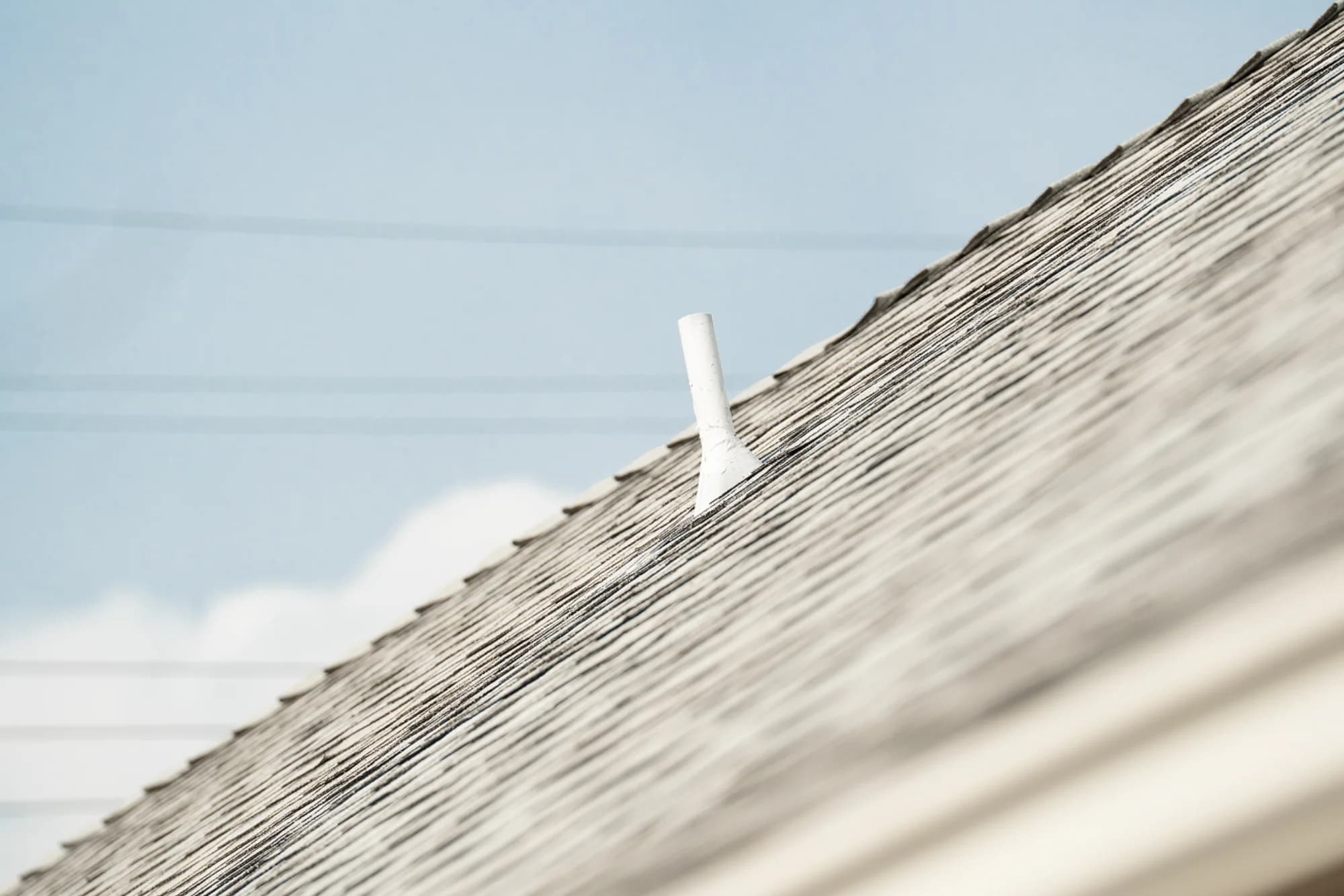
- Around vent stacks and chimneys. IKO recommends putting it under the flashing, because the shingles and flashing in these spots often do not fully overlap.
- Dormers and skylights. Anything that breaks through the roof deck can benefit from it.
- Low-slope sections. IKO calls roofs between 2:12 and 4:12 high risk, since snow drifts there and ice dams can climb higher. The low-slope roof guide covers porches and additions.
Some building codes require it in some of these places. IKO notes that many northern areas mandate it, while some southern states do not.
How far up the eaves it should run
In cold climates, the usual minimum is 2 feet past the inside of the exterior wall. The Department of Energy’s Building America guide on sealing roof eaves with self-adhering membrane (opens in a new tab) sets that minimum for IECC climate zones 5 and higher, running from the eave edge up the roof. Owens Corning’s shingle installation instructions (opens in a new tab) also call for at least 24 inches from the interior wall line, measured horizontally, and say most applications will need two courses.
Because the measurement starts at the wall, not the roof edge, a house with a deep overhang needs a wider strip to reach the same point. IKO also says all overhangs should be covered and suggests 3 feet over heated space as good practice in colder regions. In high snow load areas, the DOE guide suggests running the membrane further up the roof than the code minimum.
It protects against ice dams but does not prevent them
An ice dam forms when heat escaping into the attic warms the roof deck, melts the snow, and the water refreezes at the colder eave. The DOE’s ice dam prevention guide (opens in a new tab) says that three things are needed: snow on the roof, a poorly air-sealed or poorly insulated attic, and freezing temperatures. Air sealing is listed as the most important step, along with insulation and attic ventilation.
Ice-and-water shield works at a different point. It keeps the water that backs up behind a dam from leaking into the house. If your home gets ice dams every winter, the membrane helps protect the roof, but the cause usually sits in the attic. The attic ventilation guide covers that side.
Should the whole roof be covered?
Usually not. IKO says some codes require full coverage and that it is sometimes recommended where ice dams or wind-driven rain are severe. In most cases, though, IKO advises against covering the entire deck. Regular synthetic underlayment protects the rest of the roof at a lower cost. IKO also cautions that the membrane can act as a vapor barrier, so a fully covered roof makes attic ventilation even more important.
What to ask when you compare quotes
A line that says only “ice and water shield” does not tell you where it goes. These questions help you compare bids on the same terms:
| Question | Why it helps |
|---|---|
| Which edges, valleys, and openings get the membrane? | Why it helps Two quotes may cover different areas under the same line item. |
| How far up from the eave does it run? | Why it helps The answer should reflect your local code and the product instructions. |
| Is any extra coverage proposed, and why? | Why it helps Added coverage should match a real risk, such as a low-slope porch or a history of ice dams. |
| Which product is it? | Why it helps Installation requirements vary by manufacturer. |
How Remi’s guaranteed price fits in
Because eave coverage is often set by local code, it helps to know how a quote treats code work. Remi’s guaranteed price covers everything needed to deliver a quality roof that meets local code requirements, even if the job needs more repairs than expected. Not every job has a guaranteed price, and your quote says when it does. When it does, the price we quote is the price you pay. A few exclusions apply; see the guaranteed price page.
They have an outstanding team and work carefully and hard to make sure everything is done right the 1st time.
Barton describes one project. The coverage plan and product instructions establish what your roof needs.
Built to local code
Get a roof quote
If you are comparing bids, you can ask Remi the same coverage questions about your roof.
Questions homeowners ask
No. IKO says the deck has to be dry first, because moisture keeps the membrane from sticking to the wood.
At the eaves, IKO and the DOE guide both describe the membrane going over the drip edge. At the rake edges, the drip edge goes on top of the underlayment.
Sources and further reading
- IKO: Ice and Water Protector: What Is It and Where Does It Go? (opens in a new tab) (checked 2026-10-22)
- U.S. Department of Energy, Building America Solution Center: Roof Eaves Sealed with Self-Adhering Membrane in Cold Climates (opens in a new tab) (checked 2026-10-22)
- U.S. Department of Energy, Building America Solution Center: Attic Air Sealing, Insulating, and Ventilating for Ice Dam Prevention (opens in a new tab) (checked 2026-10-18)
- Owens Corning: TruDefinition Duration STORM and TruDefinition Duration FLEX Shingles Installation Instructions (opens in a new tab) (checked 2026-10-25)
Product instructions, warranty terms and local requirements can change; use the documents that apply to your project.