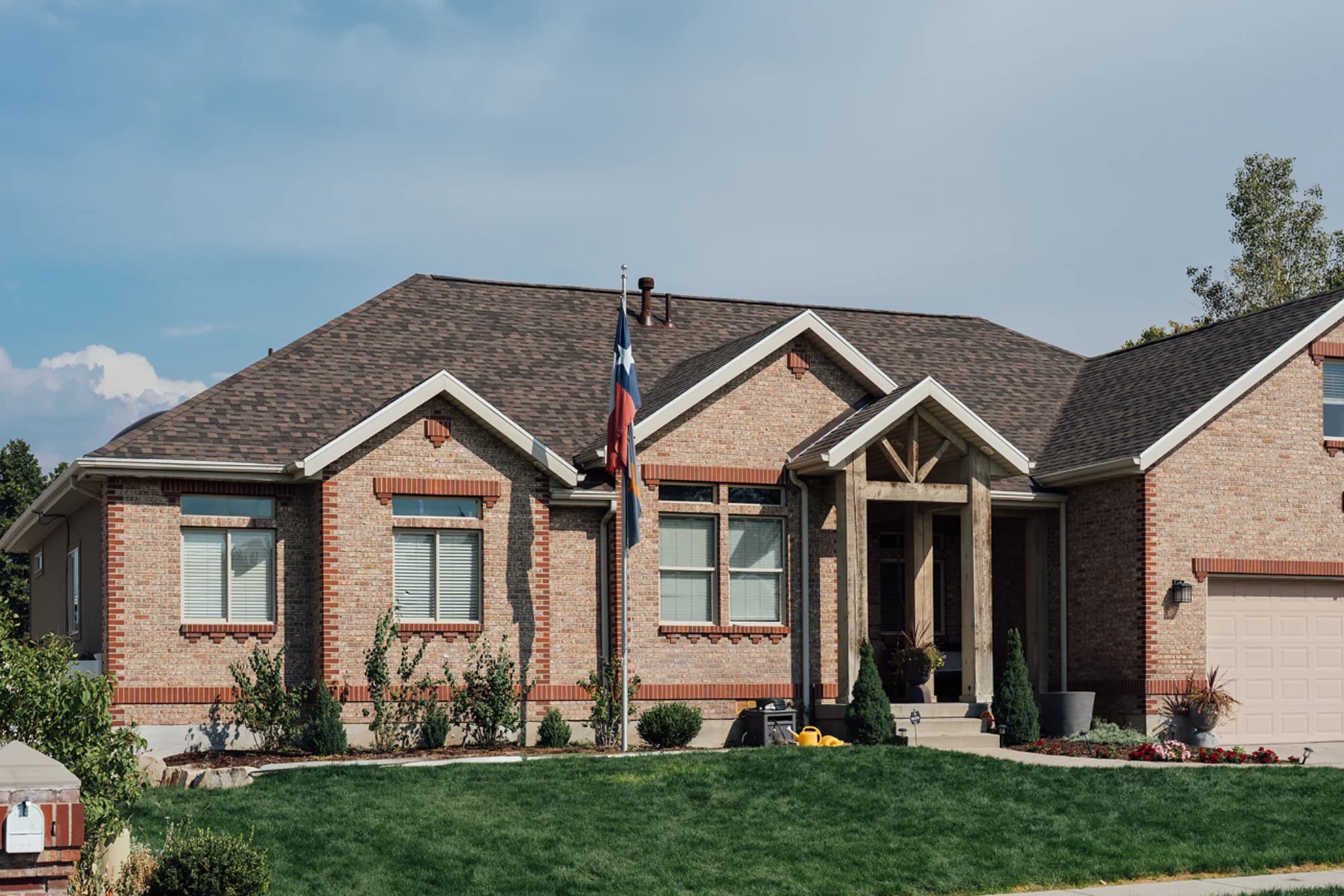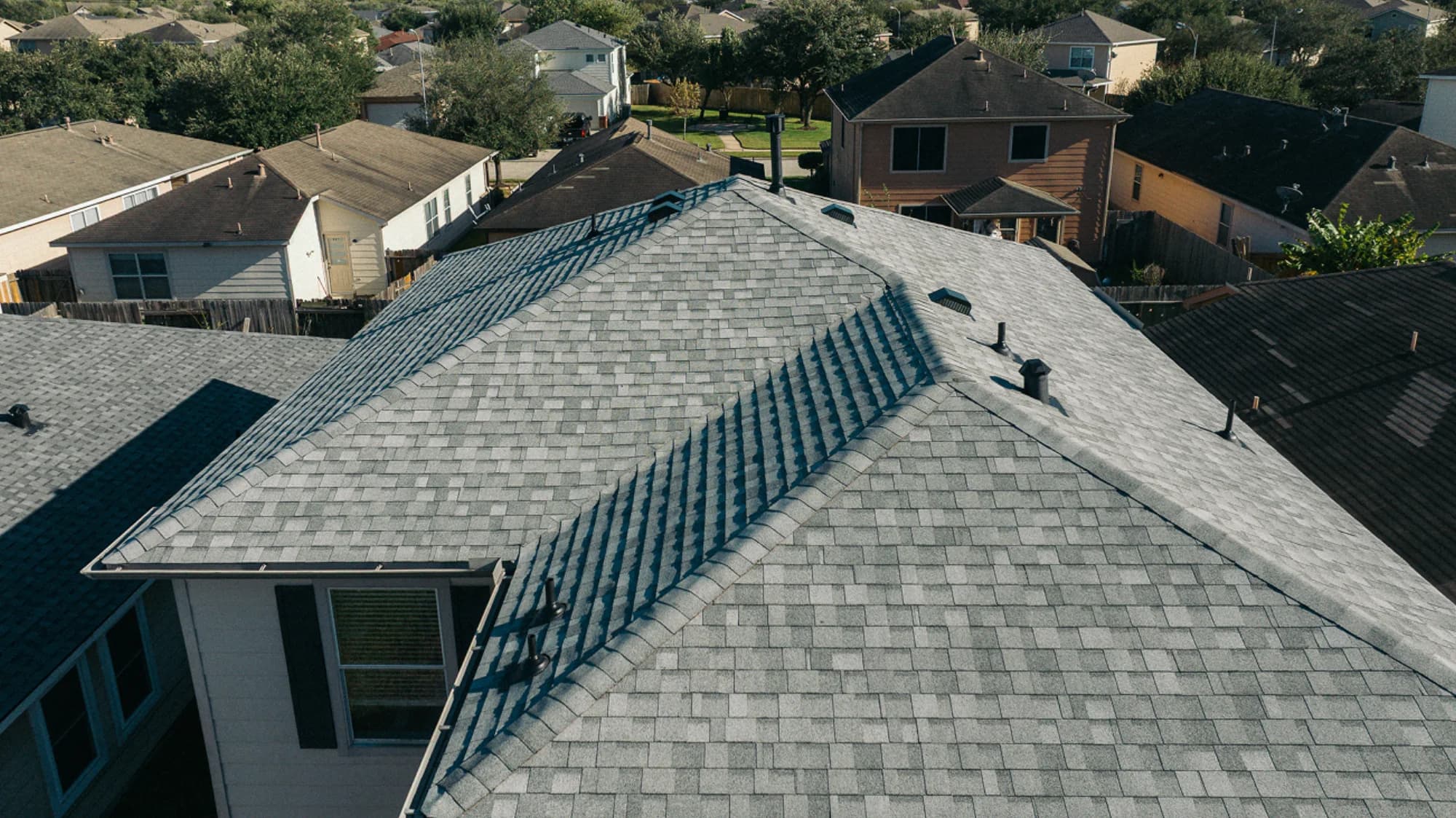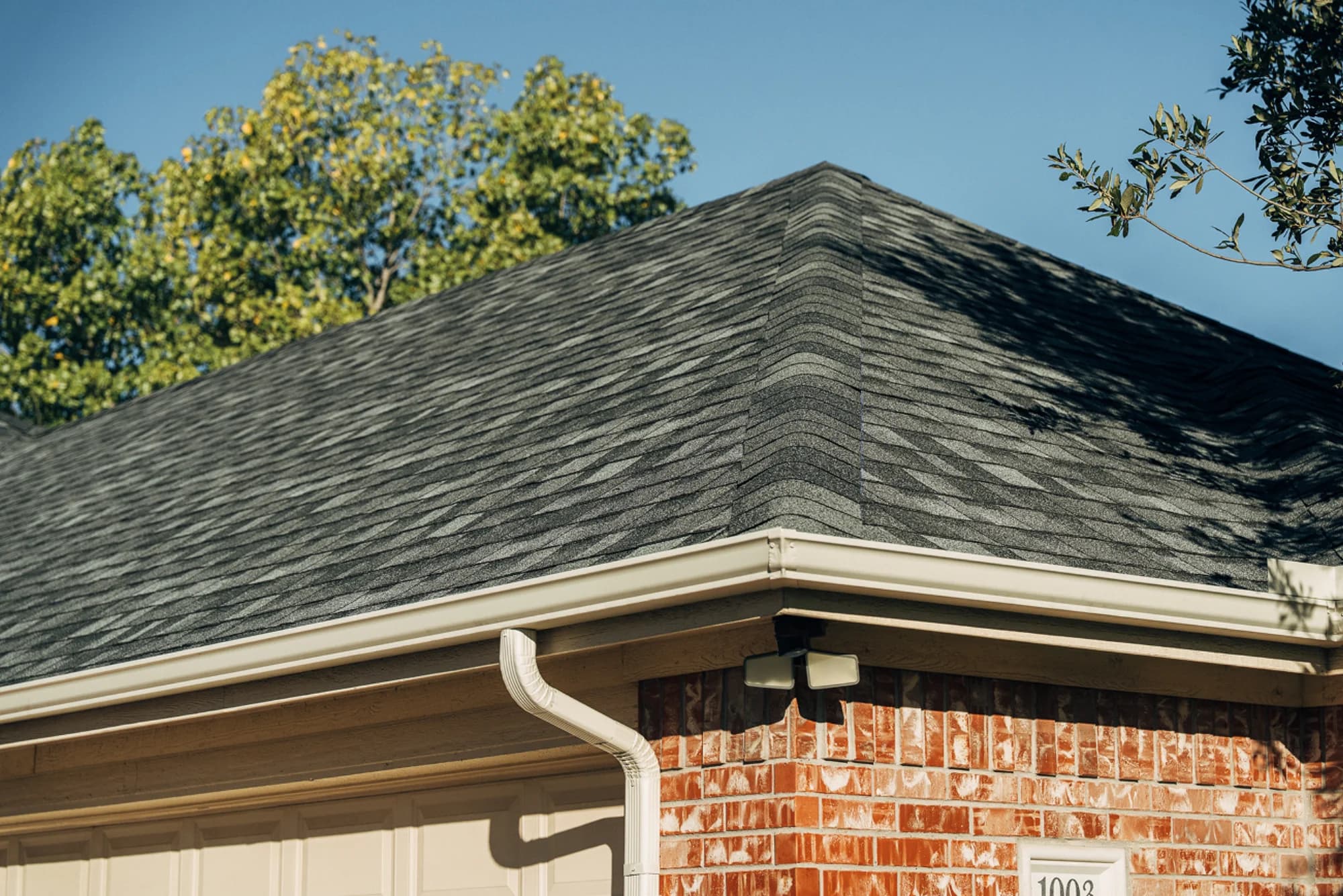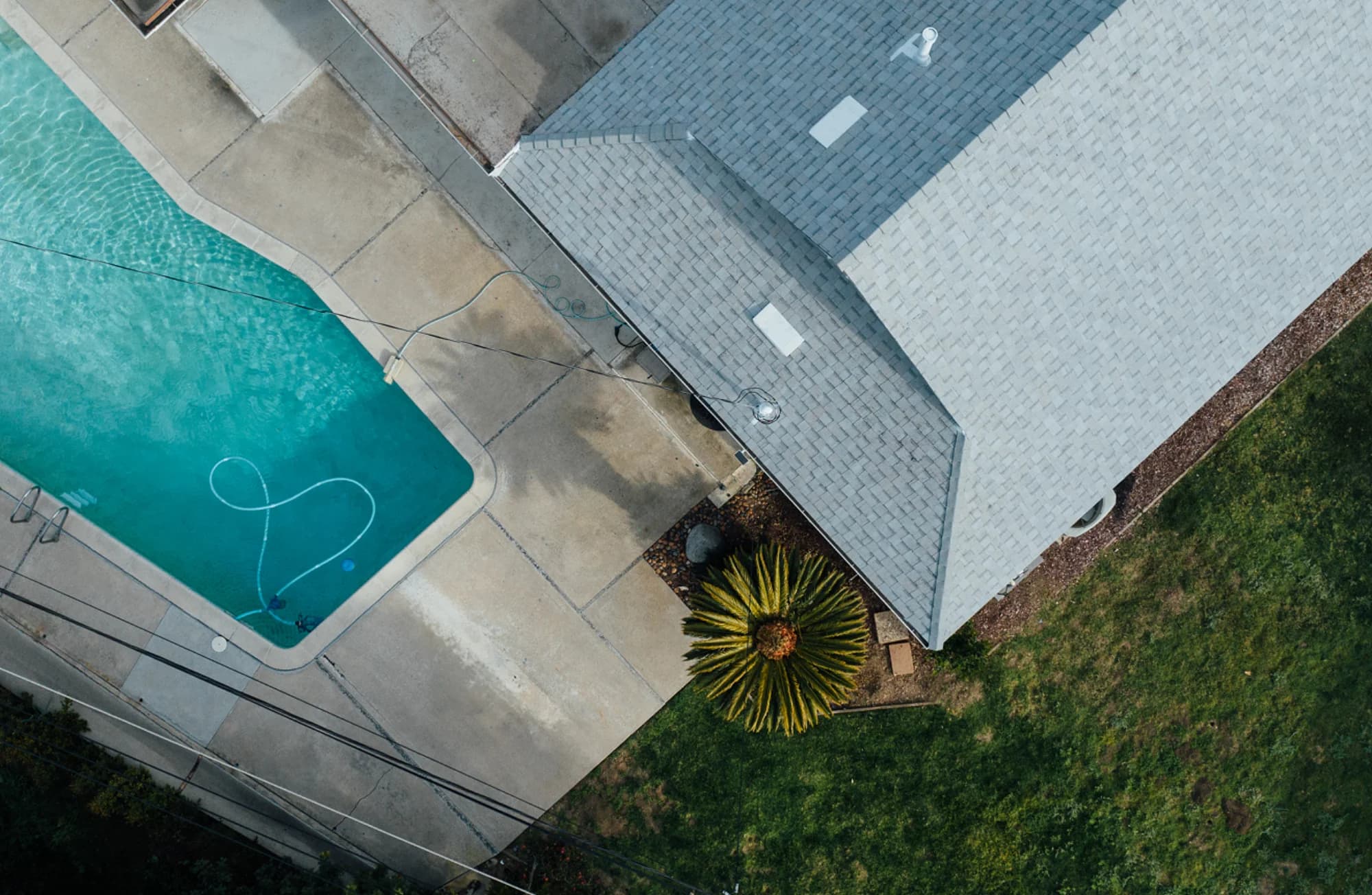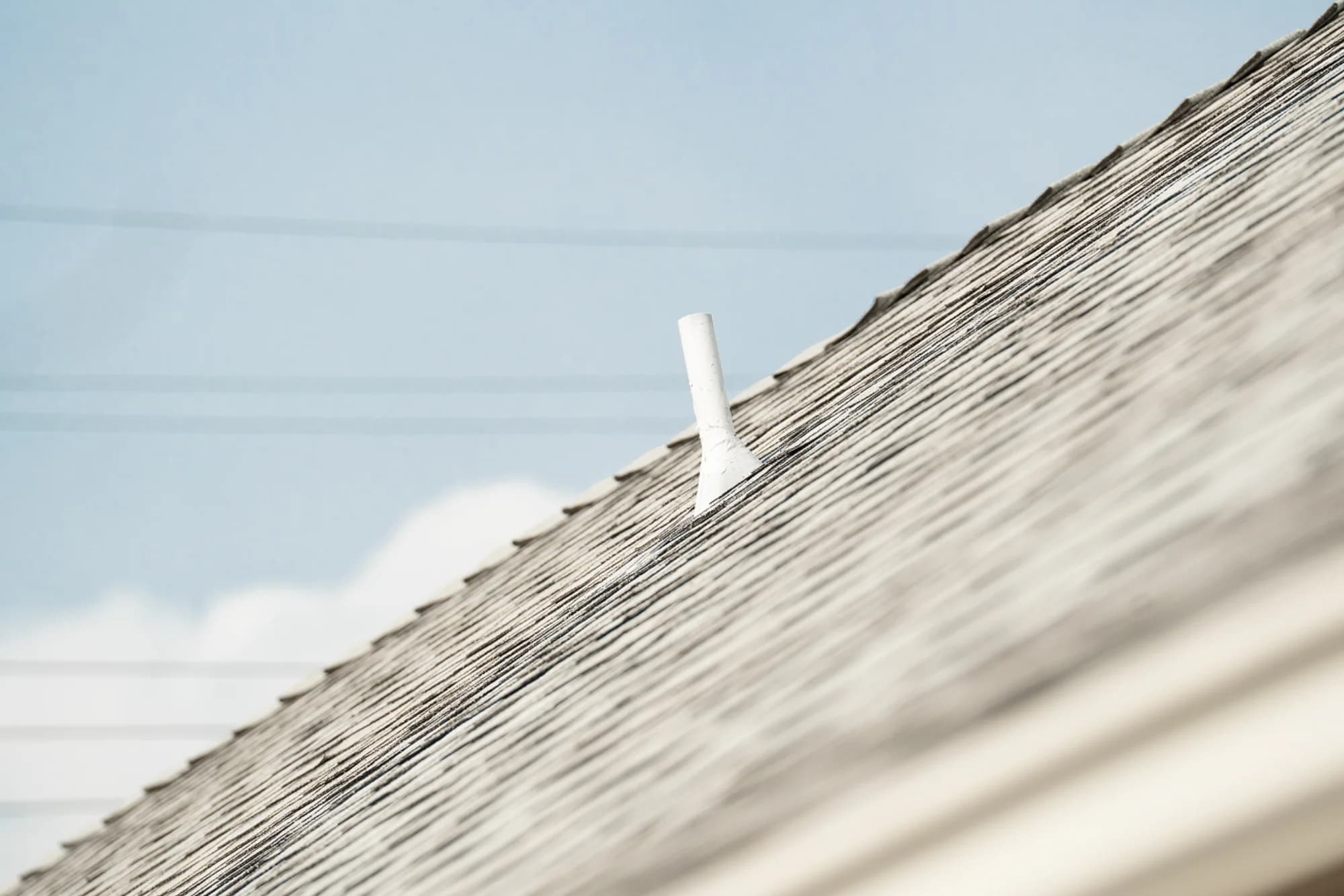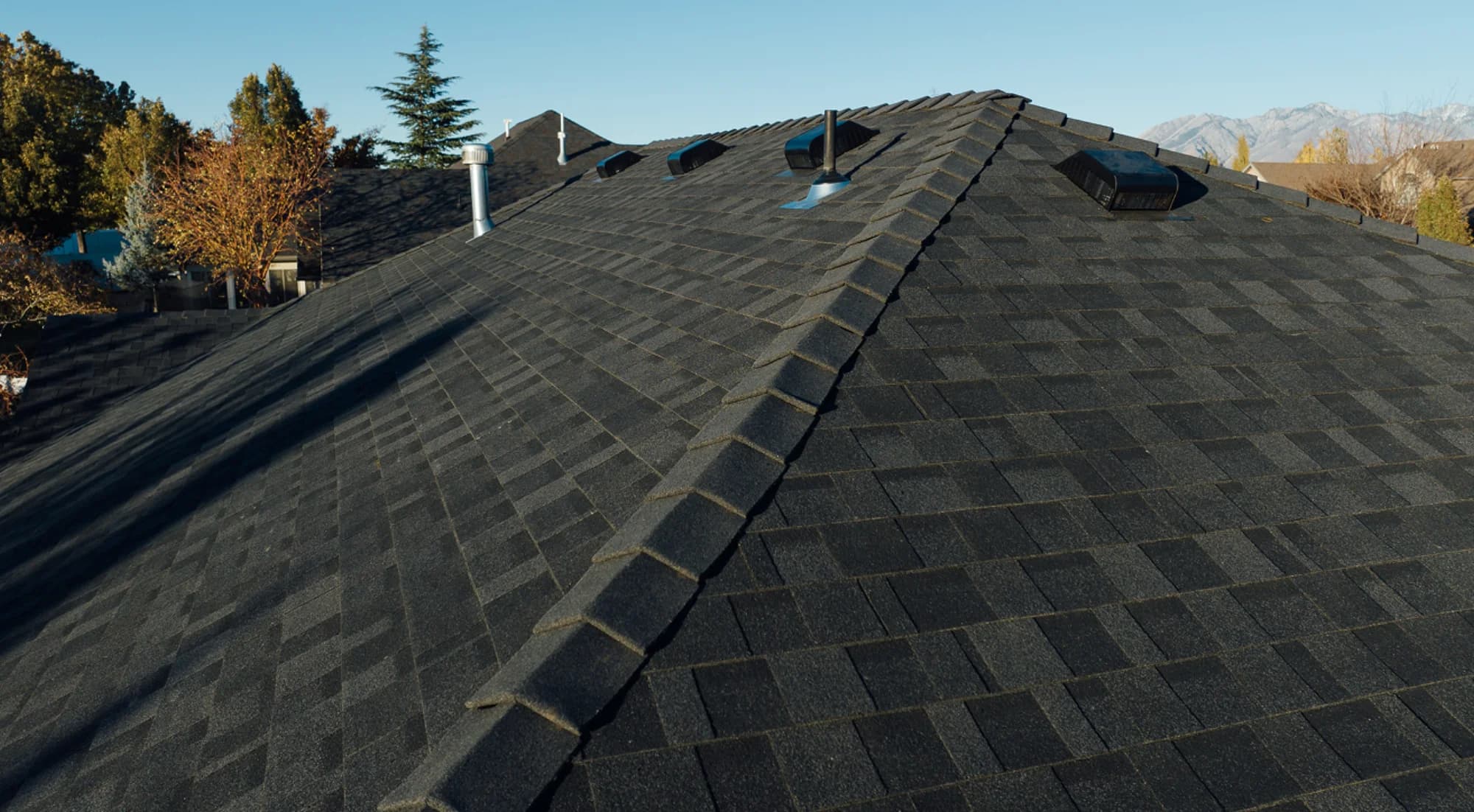
A roof replacement is one of the few times your attic vents are easy to change. The Department of Energy’s guide to condensation in attics (opens in a new tab) calls reroofing a good opportunity to upgrade roof venting, so it is a natural moment to ask whether yours are set up right. Good attic ventilation pulls outside air in low on the roof and lets it out near the peak. That airflow helps carry away moisture and heat. The vents on your quote should work together as a system, and they should fit the way your attic was designed.
Why ventilation matters for a new roof
The National Roofing Contractors Association’s homeowner resource guide (opens in a new tab) says the strongest case for ventilating an asphalt shingle roof is in cold climates where snow sits on the roof for long periods. There, ventilation helps remove moisture from the attic, prevent condensation that can damage the roof deck, and prevent ice dams. Ventilation lowers average attic temperatures in the summer. If ice dams are your main concern, Remi’s ice-and-water shield guide explains how the roof edge is protected from the water they trap.
Ventilation can also affect your shingle warranty. NRCA says asphalt shingle manufacturers’ warranties may require minimum ventilation. IKO’s guide to ridge vents and box vents (opens in a new tab) says that most manufacturers’ limited warranties will not cover shingles installed on a roof without proper ventilation. Installation instructions also point back to local requirements. Owens Corning’s shingle instructions (opens in a new tab) state that ventilation must comply with local building codes.
Find out whether your attic is meant to be vented
In a vented attic, the insulation sits on the attic floor, and outside air moves through the space above it. Some homes have an unvented attic instead. The Department of Energy’s Building America checklist on unvented attics (opens in a new tab) explains that an unvented attic is air sealed and insulated at the sloped roofline, which makes the attic part of the heated and cooled space. When an attic is converted this way, the ridge, gable, and soffit vents are closed off and sealed.
That means adding roof vents to an unvented attic would work against how it was built. Be sure to mention to your roofer early in the process if you have spray foam on the underside of the roof deck, a finished attic room, or a past insulation project.
How intake and exhaust work together
In a vented attic, air comes in low and goes out high. IKO explains that soffit vents along the eaves act as the intake, and exhaust vents near the ridge let the attic air out. For exhaust, most homeowners choose between ridge vents and box vents, according to IKO.
A few points make the system work:
- Balance. NRCA suggests splitting the ventilation area roughly evenly between the eaves and the ridge, with about 50% at or near the ridge. The DOE condensation guide adds that exhaust area should never exceed intake area, and notes that codes typically require 1 square foot of vent area per 150 (up to 300) square feet of attic floor.
- One type of exhaust. IKO advises against combining ridge vents and box vents. Air tends to flow from one exhaust to the other and skip the intake vents, leaving only a small pocket of ventilation at the top of the roof.
- A clear path. The DOE’s ice dam prevention guide (opens in a new tab) recommends baffles to keep insulation out of the soffit vents and at least a 2-inch air gap between the insulation and the underside of the roof deck.
The right exhaust depends on the roof. IKO notes that ridge vents need a ridge, so pyramid-shaped roofs cannot use them. In cold climates, IKO says ridge vents can let snow into the attic, which is one reason box vents are more common in colder areas.
Ventilation will not fix every moisture problem
If you have seen frost, damp insulation, or stains in the attic, more vents may not be the whole answer. The DOE condensation guide says condensation forms when warm, moist air from the house or from ducts escapes into the attic and hits cold surfaces. Its recommendations go beyond vents: limit air leakage from the house into the attic, reduce indoor humidity, and install good roof vents with insulation baffles.
The DOE ice dam guide lists common air leaks into the attic, including gaps around wiring, recessed lights, plumbing stacks, attic hatches, and exhaust fan housings. Sealing those is usually insulation or HVAC work rather than roofing, so it may need a different contractor. Telling your roofer where and when you have seen moisture can help sort out which trade the repair belongs to.
Questions to ask your roofer
| Question | What a clear answer covers |
|---|---|
| Is my attic vented or unvented? | What a clear answer covers Which design you have, and whether any sections differ |
| Where does the intake air come in? | What a clear answer covers The soffit or other intake vents, and whether they are blocked |
| What exhaust will you install? | What a clear answer covers One exhaust type that suits the roof shape and climate |
| Are intake and exhaust balanced? | What a clear answer covers How the amounts compare, based on the attic size and local code |
| Will anything change from what I have now? | What a clear answer covers What is being added, removed, or closed off, and why |
How Remi handles attic vents
Remi’s guaranteed price lists needed attic vent replacement and additional labor for necessary repairs among the items covered in your quoted price. Not every job has a guaranteed price, and your quote says when it does. When it does, the price we quote is the price you pay. A few exclusions apply; see the guaranteed price page.
They took care of every detail from A to Z.
Jamie describes one project. Ask for the intake and exhaust plan your attic needs.
Questions homeowners ask
Not by much. NRCA says research has not shown a significant effect of attic ventilation on average roof surface temperature. The shingle color and the direction a roof faces matter more. The light vs. dark roof shingles guide covers color.
IKO says mechanical ventilation is not typically recommended for roofs because it can pull snow and rain into the attic. Ask your roofer how a fan would work with the vents already planned.
Sources and further reading
- National Roofing Contractors Association: NRCA Resources (opens in a new tab) (checked 2026-10-25)
- IKO: Roof Ridge Vents vs. Box Vents (opens in a new tab) (checked 2026-10-22)
- U.S. Department of Energy, Building America Solution Center: Vented vs Unvented Attic (opens in a new tab) (checked 2026-10-18)
- U.S. Department of Energy, Building America Solution Center: Attic Air Sealing, Insulating, and Ventilating for Ice Dam Prevention (opens in a new tab) (checked 2026-10-18)
- U.S. Department of Energy, Building America Solution Center: Condensation Control in Attics and Roofs in Cold Weather (opens in a new tab) (checked 2026-10-18)
- Owens Corning: TruDefinition Duration STORM and TruDefinition Duration FLEX Shingles Installation Instructions (opens in a new tab) (checked 2026-10-25)
Product instructions, warranty terms and local requirements can change; use the documents that apply to your project.