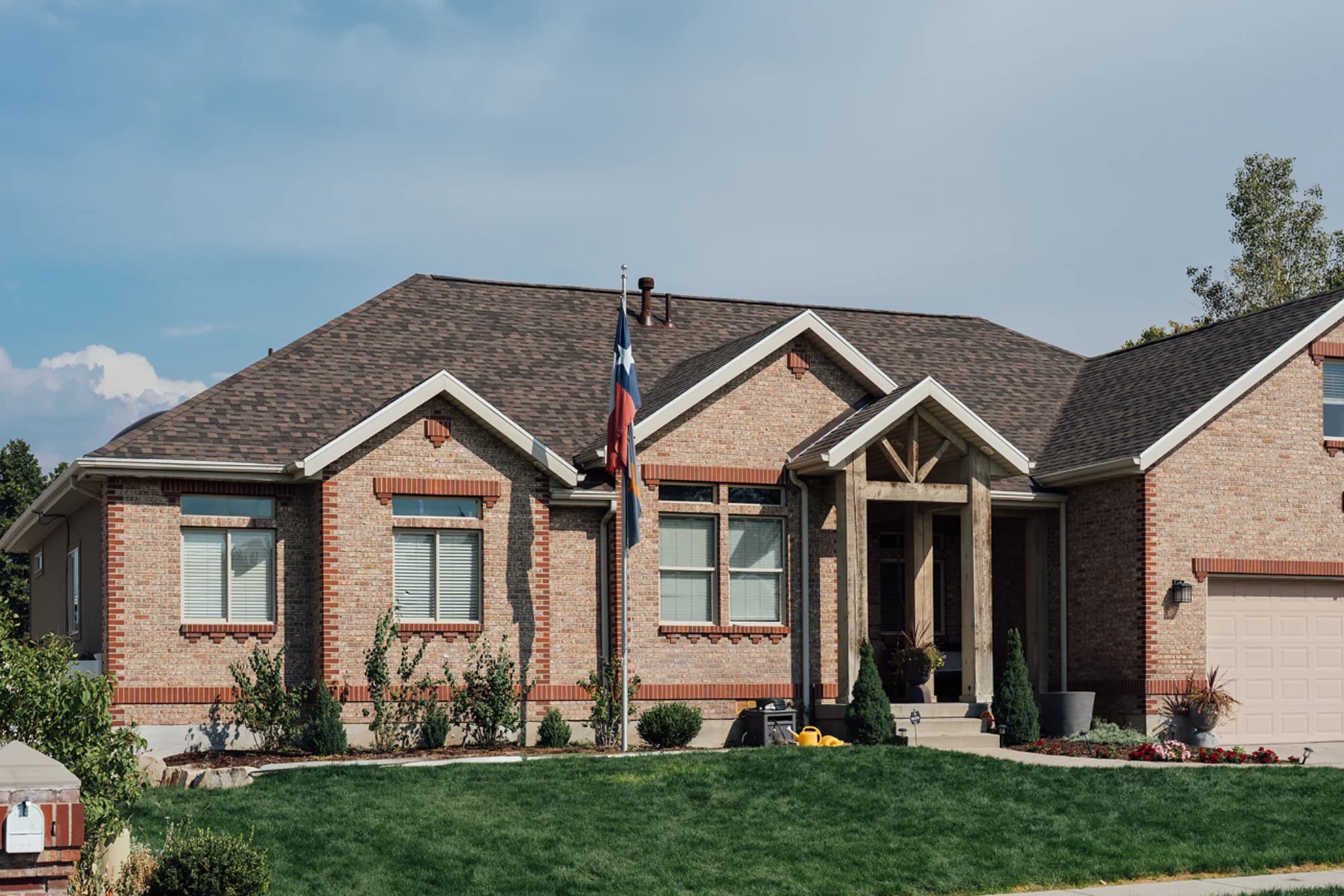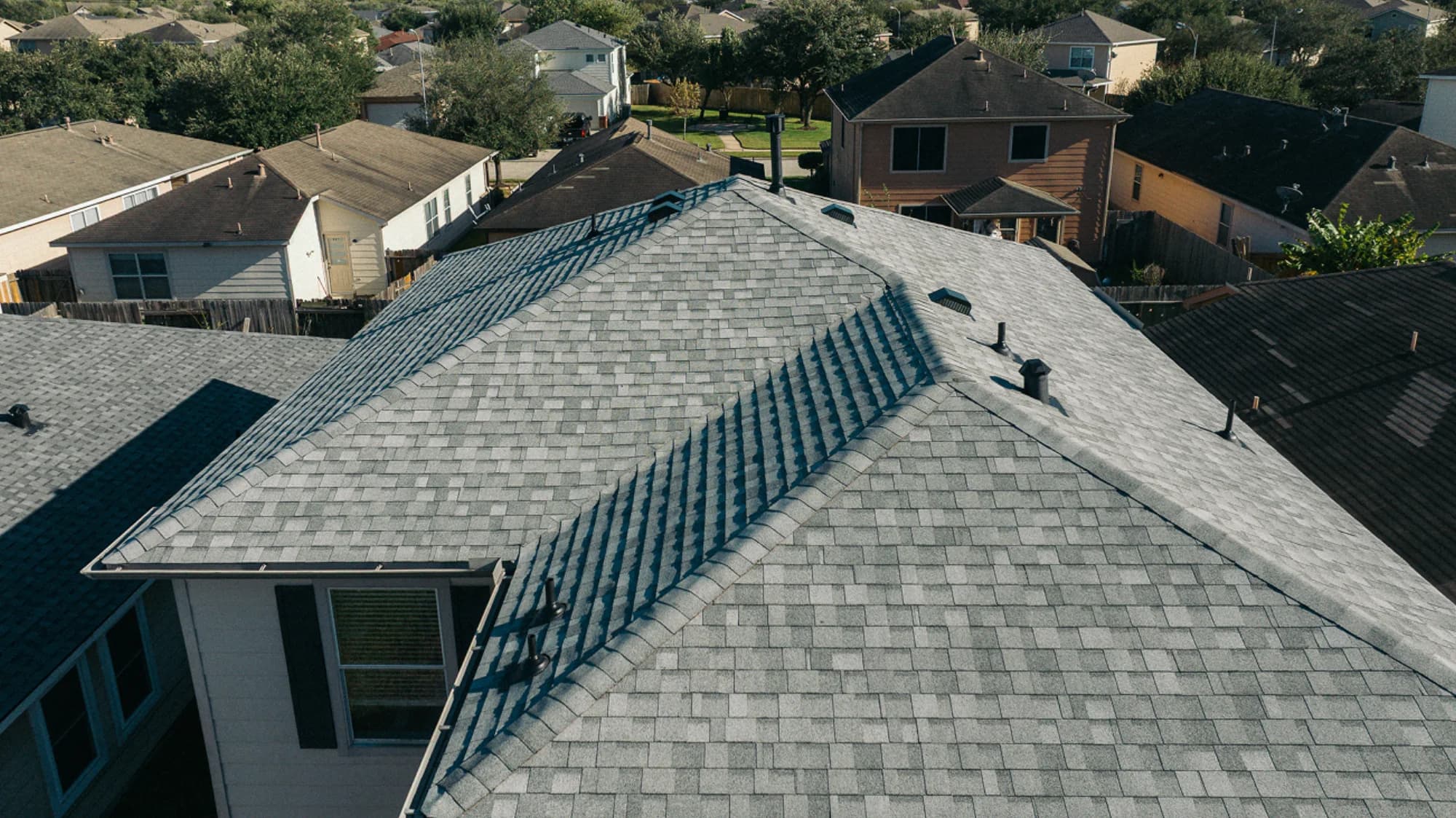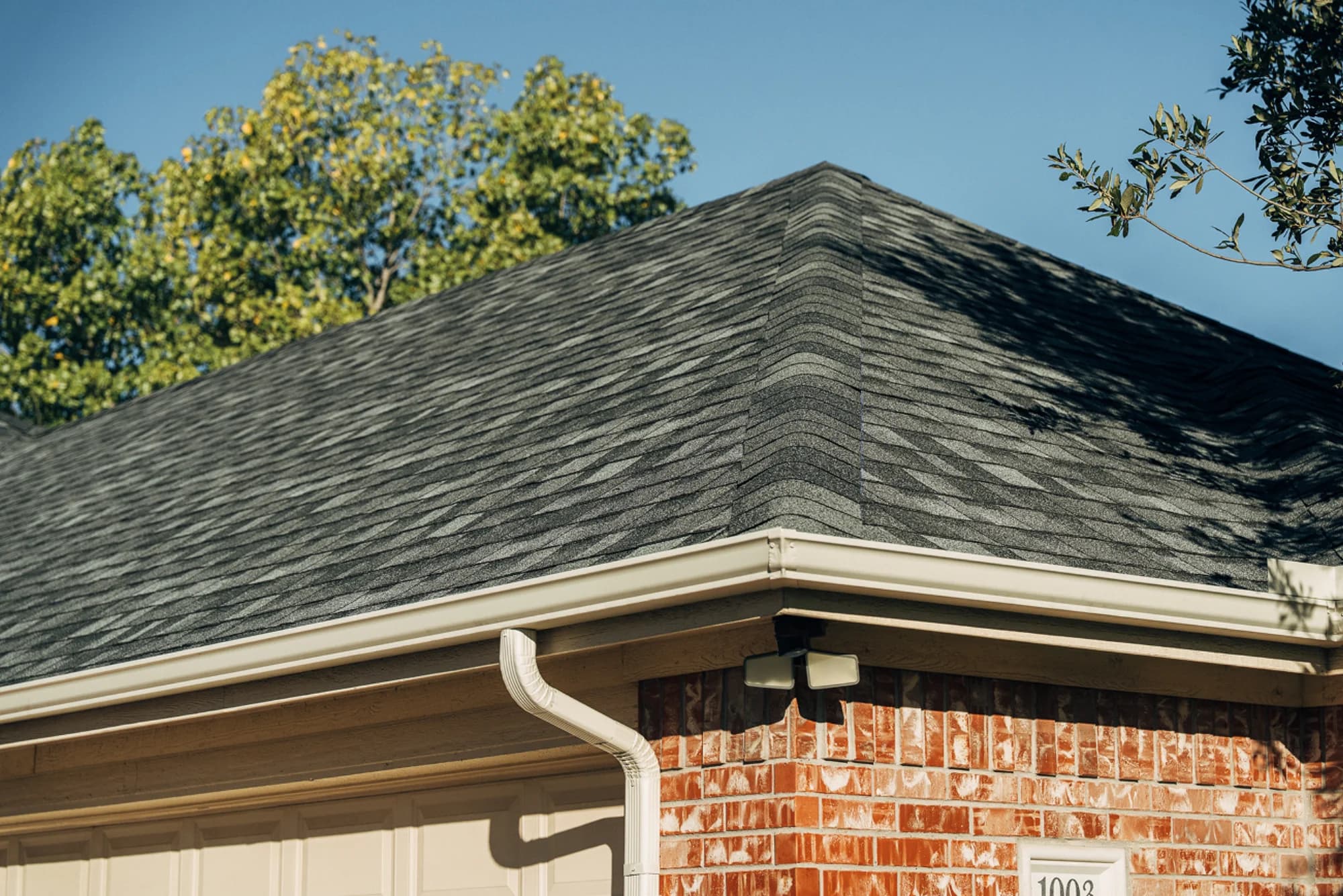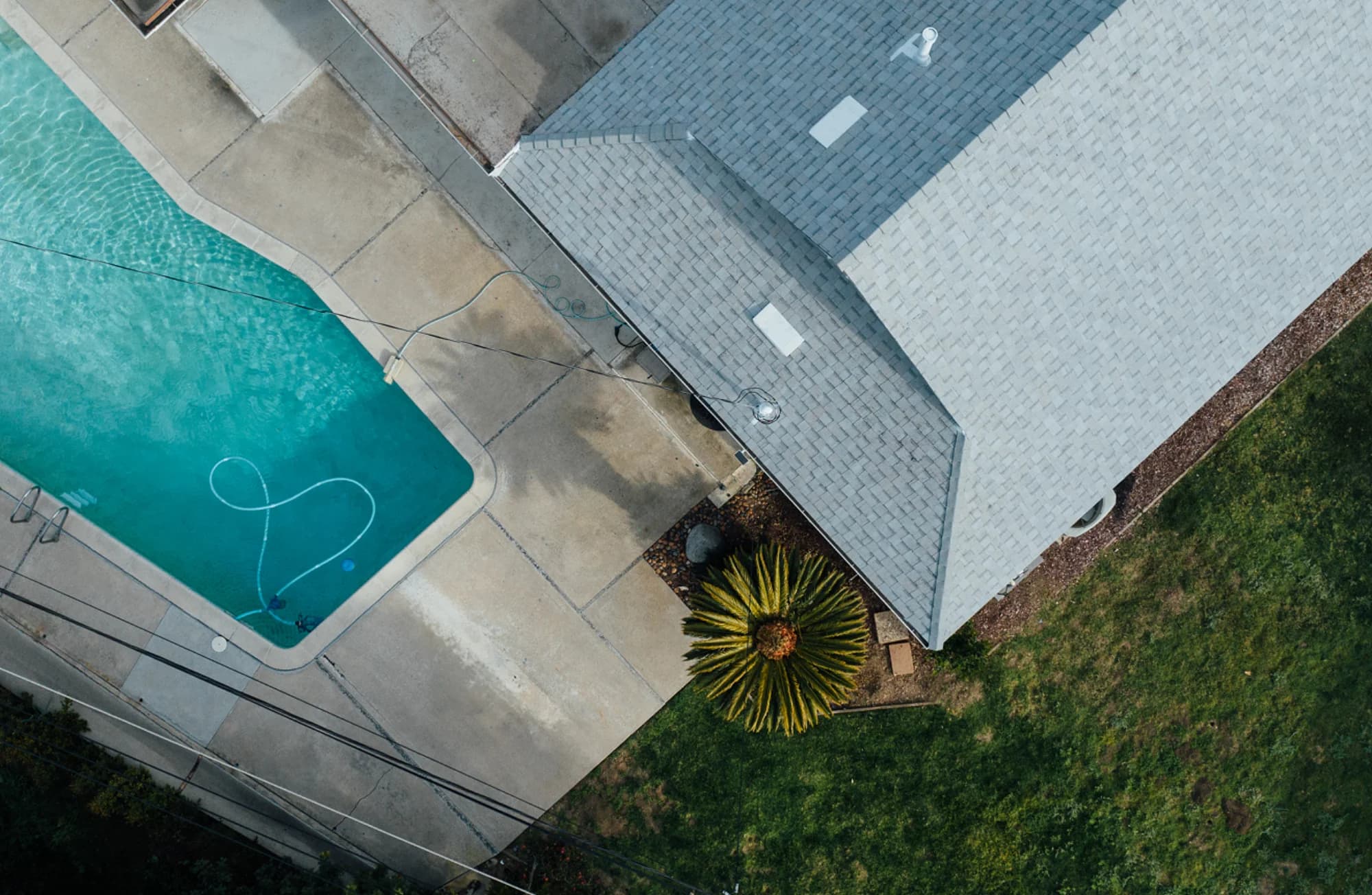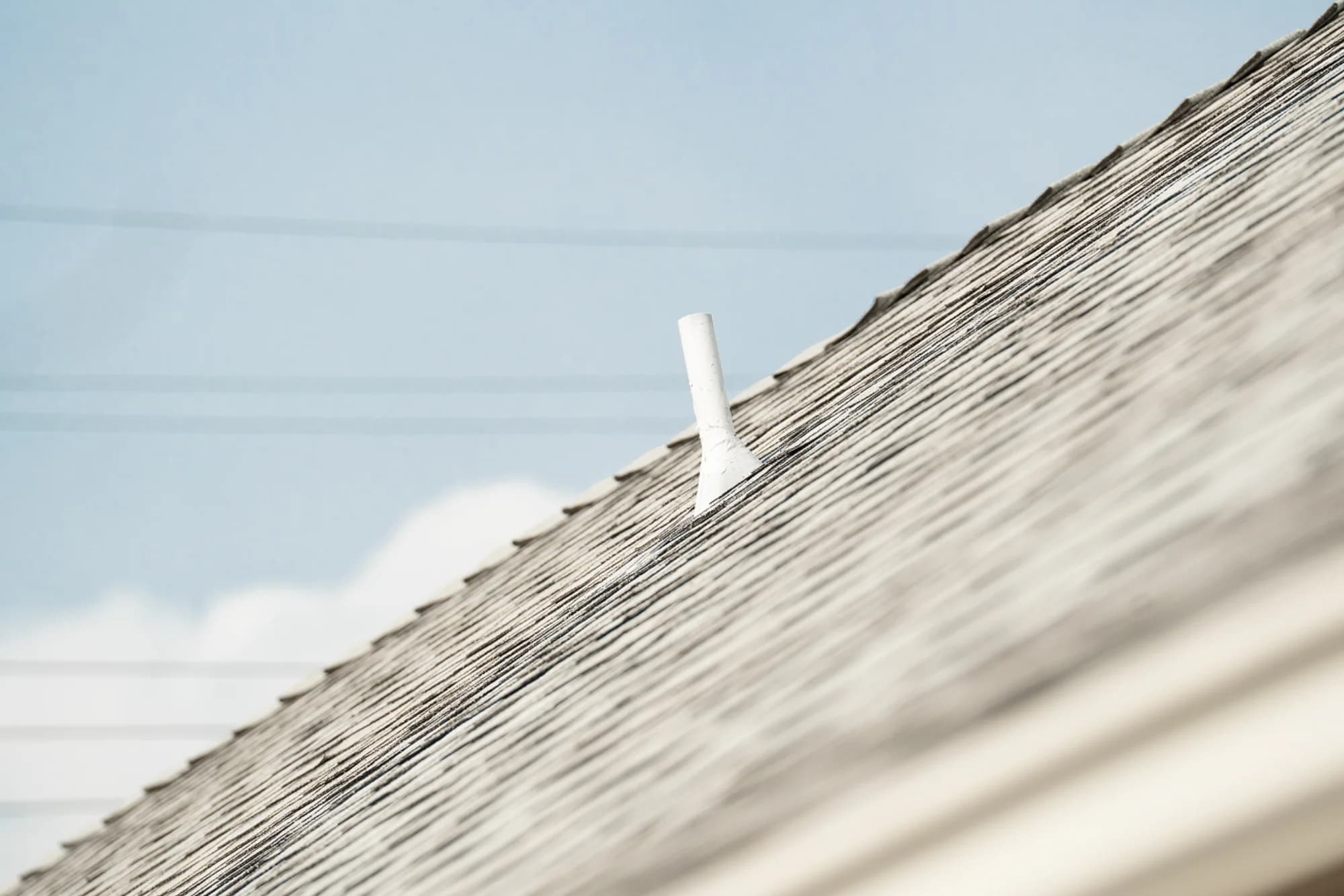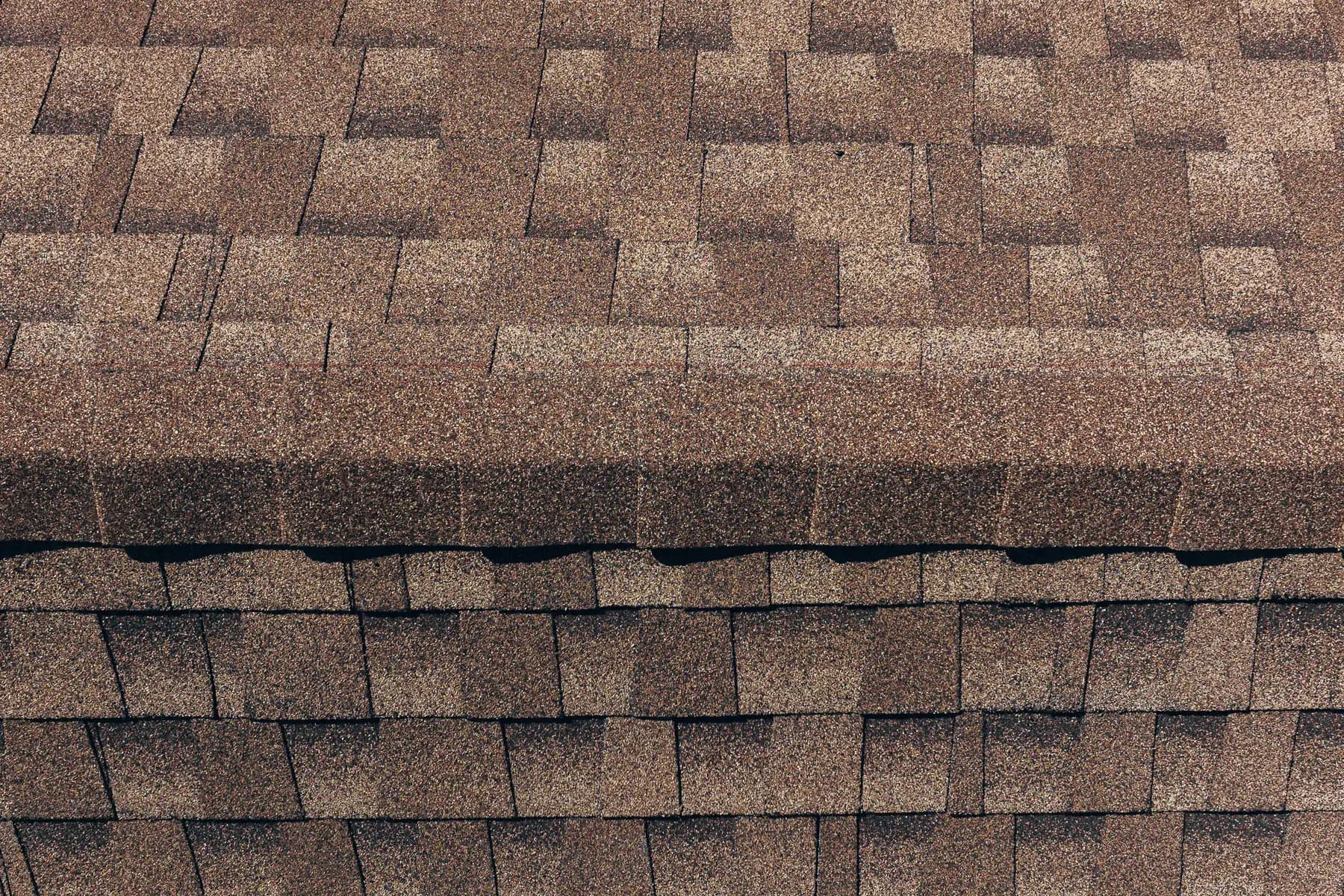
Asphalt shingles are the most common choice in North America. Two types of asphalt shingles are architectural and three-tab shingles. Architectural shingles have a multi-layered, more dimensional profile where three-tab shingles have a flatter, more uniform pattern. That’s how they look. It doesn’t tell you how they perform. It does not indicate by itself which roof will handle weather better or which proposal is worth the price. When deciding on shingles, make the decision with two named products and the same installation scope.
The short answer
Pay for architectural shingles when you want the layered look or a named product’s ratings. Three-tab shingles are a single flat layer and typically the more economical option in GAF’s selection guide (opens in a new tab), but neither label has a wind or hail rating. Remi uses Class 3 architectural shingles as the standard system and typically upgrades three-tab roofs during replacement.
Compare the construction
GAF describes three-tab shingles as a single layer, also known as “strip” shingles, with cutouts that create the repeating tab pattern. Architectural shingles, also called laminate or dimensional shingles, combine layers to create depth. They also have a broader set of product choices. GAF’s shingle selection guide (opens in a new tab) illustrates the difference. The installed difference depends on the named shingles and any accompanying system changes; it does not establish a fixed upgrade premium for your house.
Color matters more than most people expect. Starting with a small sample is common. Consider the shingle on the whole roof since the repeating pattern matters also. Look at full-roof examples of the exact product and color, preferably on a roof with a similar pitch. If the examples you are considering are from photographs, always note the lighting. A photograph taken at sunset is a poor stand-in for how that roof will look from your driveway at noon.
Separate appearance from performance
When selecting shingles best for your home, it is important to consider the weather and climate in your geographical area. For instance, if you are concerned about wind speed protection, ask for the wind rating and any impact classification for each product. A thick-looking shingle isn’t proof of a hail rating. Note the details in warranties. For example, a wind warranty may depend on specified accessories and installation details. The Insurance Institute for Business & Home Safety (IBHS) explains the differences among roof coverings and impact tests in Roof 101 (opens in a new tab).
If hail resistance is the reason for upgrading, use the Class 4 shingle comparison before making the purchase. If summer heat is the concern, compare the actual color’s published thermal properties. Neither question is settled by the architectural label. If you’re also considering metal, our metal vs. asphalt guide compares the two roofs.
Architectural and three-tab, row by row
Fill in the named products for your roof. An empty box is an unanswered question, not an equal specification.
| Question | Architectural | Three-tab |
|---|---|---|
| Construction | Laminated layers that create depth | One layer with cutouts that form repeating tabs |
| Look on a whole roof | Layered, dimensional profile | Flatter, more uniform pattern |
| Price | Usually more; ask for it priced within the same roof assembly | Typically the more economical option in GAF’s guide |
| Wind and impact ratings | Read the named product’s classifications; thickness is not a hail rating | Read the named product’s classifications |
| Rest of the assembly | Starter, ridge cap, underlayment, flashing and ventilation; list anything the upgrade changes | The same items, so both prices describe one roof |
| Warranty | Material defects, labor, exclusions and registration in the actual document | The same check, not just the headline years |
| With Remi | The standard system, with Class 3 architectural shingles | Typically upgraded to architectural during replacement |
Bottom line
Remi’s standard shingle
See your price with architectural shingles
Remi’s standard system uses Class 3 architectural shingles, and three-tab roofs are typically upgraded during replacement. Every quote is itemized.
Read two product sheets side by side
Consider a proposal that changes both the shingle and the flashing scope. The higher total cannot tell you what the architectural shingle alone costs. Request the shingle alternative within the same roof assembly, then list any required accessory changes separately. This makes the upgrade price useful.
Also check what is available for future repairs. Ask whether the installer expects to have matching material available and whether unused shingles can be left with you. A spare bundle is not a guarantee of a perfect future color match, but recording the product and color removes a needless step in guessing.
Decide where the upgrade earns its cost
An architectural option may be attractive because you prefer the profile, because a particular product has the performance you want, or because its complete warranty package fits the project. Those are distinct reasons. Write down your distinct reasons before the conversation becomes a comparison of warranty years alone.
Use the fair roof-price guide to compare the remaining scope. The final choice should identify a product you prefer and a documented reason for paying more, if you do. Remi’s roof replacement information covers the next step in planning the work.
Questions homeowners ask
No. Architectural describes the layered construction and appearance. Impact resistance belongs to the named product and its tested classification. Check the product documentation instead of inferring a rating from thickness or the word “architectural.”
No. Warranty duration describes contractual coverage under stated conditions. Compare the covered defect, labor allowance, exclusions and any reduction in coverage over time. Installation, roof details and exposure also affect how the roof performs.
Sources and further reading
- GAF: How to choose roofing shingles (opens in a new tab) (checked 2026-10-18)
- Insurance Institute for Business & Home Safety: Roof 101 (opens in a new tab) (checked 2026-10-18)
- National Roofing Contractors Association: NRCA Resources (opens in a new tab) (checked 2026-10-25)
Product instructions, warranty terms and local requirements can change; use the documents that apply to your project.