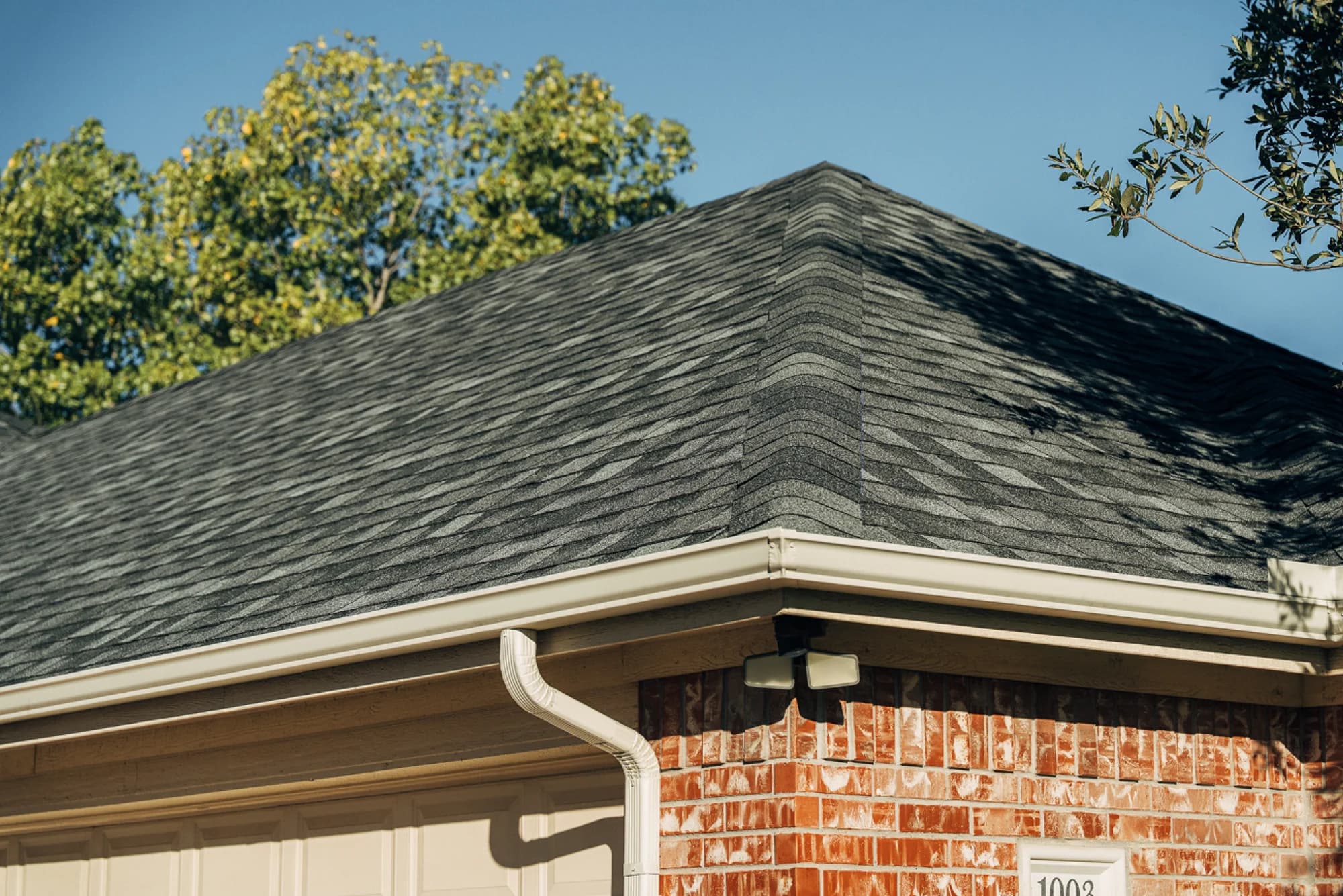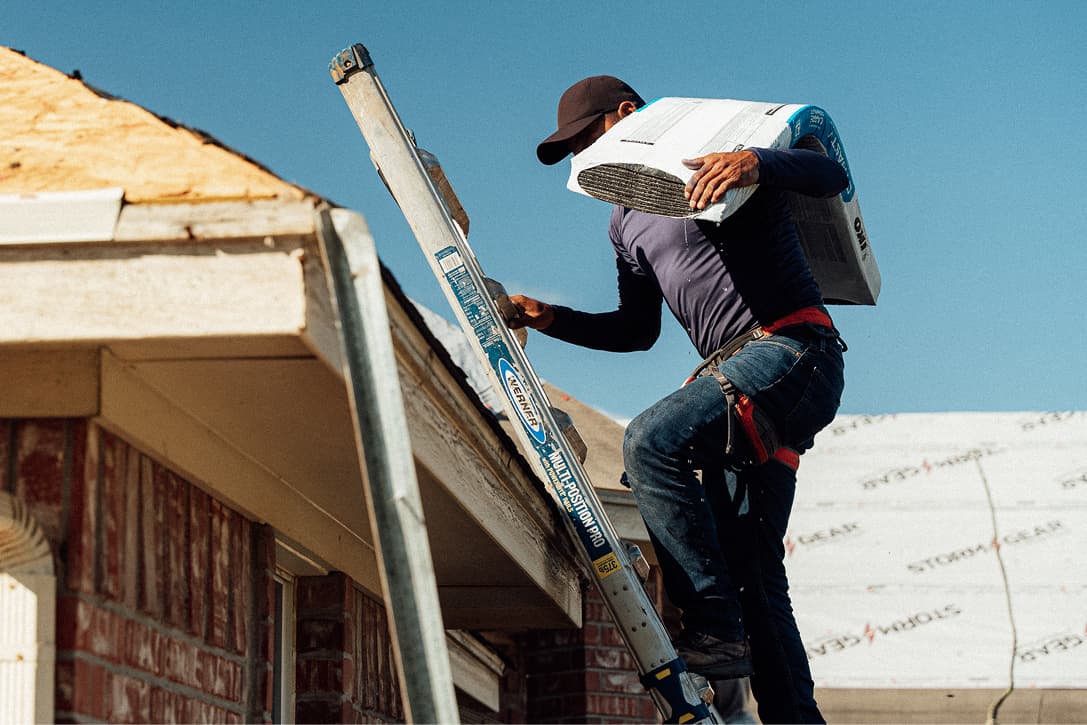
Remi assigns each roof to a local partner contractor that meets Remi’s licensing and insurance requirements and keeps an English-speaking foreman on site. Remi supplies the project scope, helps coordinate the job, communicates with you, and reviews the contractor’s completion photos. If a question comes up after the crew leaves, you can contact Remi’s team directly.
What happens if there is a permit delay, a change in detail during tear-off, or a problem after the first rain? The homeowner needs to know who owns the next step at each of those moments.
Who chooses the crew and sets the scope before work starts?
Remi’s contractor-facing process sends the customer’s information and a detailed work order to a local partner. The work order gives the crew the roof scope to carry out. Compare it with your written proposal, especially if your roof also needs decking work, gutters, or solar panel removal and reinstallation.
The partner reviews the information before accepting the job. Remi sets requirements for every partner. The published partner requirements include licensing, $1 million in general liability coverage per occurrence ($2 million aggregate), and an English-speaking foreman on site.
Your project documents identify the parties responsible for your roof. These network requirements do not prove that a particular license or policy is current for your address. Ask for the assigned company’s name and its applicable license and insurance information before work begins. The FTC recommends checking a contractor’s license with the issuing authority and asking for proof of insurance (opens in a new tab).
Remi’s price guarantee includes necessary repairs, such as replacing damaged decking, on eligible quoted jobs. Exclusions and promotion rules may apply, so check your written quote. Before work begins, ask which company will install your roof, who can approve work outside the agreed scope, and how you would hear about a proposed change.
Who handles permits, scheduling, and updates?
Remi coordinates permits and scheduling for homeowners. In its partner process, the local contractor schedules the work with you, pulls the permit, orders materials, and installs the roof. If your project requires a final inspection, we book that inspection and do not consider the job complete until it passes. Ask your Remi contact for the permit number, named applicant, required inspections, and who will send you the final approval record. Local permit and inspection requirements vary.
Remi promises text updates and a project tracker so you can see the current milestone and what comes next. Referring to our published homeowner guide, the worksite has one account manager who owns communication using text as the default channel and automated notices when a scheduled start date changes. You can also reply to a Remi text or call the team with questions. When the start date moves, ask your Remi contact what is waiting on the contractor, the permitting office, materials, or weather, and when you will hear the revised plan. Treat the installation date as provisional while one of those items is open.
One homeowner with a roof and solar project described the update trail this way:
From the moment of my first phone call to the day of completion, I was contacted by Remi with the status of my work order.
That describes one project. For yours, confirm who sends updates and whom to contact if a scheduled step slips.
Who oversees the work on installation day?
On a partner job, the local crew handles the physical roof work. Remi requires an on-site foreman on every partner job. When workers arrive, be sure to identify the on-site foreman. Make sure to report any property issue to the foreman and your Remi contact so the jobsite team can assess it and the project team has the same information.
Remi’s team answers homeowner questions and clears administrative roadblocks. This allows the partner to continue working. If another trade will remove or reinstall your solar panels, ask any questions you have before installation. For example, who has authority to change materials or details on the job?
Who would manage your roof project? Request a Remi quote, then review the proposed scope and warranty terms. Ask who your Remi contact will be and when the installing contractor will be named.
What happens between the last shingle and a finished project?
Before the crew leaves your property, Remi does its own quality inspection. When the contractor finishes, the partner uploads the completion photos for quality review. Remi’s team checks the workmanship and notes specific closeout benchmarks: debris removal, a magnetic nail sweep, gutter and downspout cleanup, a photo check, and passage of any required permit or final inspection. A walkthrough or homeowner confirmation and completion paperwork may also apply.
Whom do you call if you notice a problem later?
Contact Remi through the project text thread or its support line and email. Tell the team what you observed, when it appeared, and whether water is entering the home. Photos taken from a safe place can help; leave roof access and diagnosis to a qualified professional. In our published after-installation process, we collect the address, description, photos, and homeowner availability, then sort the concern by type. A possible installation or project-damage issue goes to Operations for review. Operations may coordinate a contractor return or another roofing expert, oversee corrective work, and document the result. Remi closes the issue after the homeowner’s confirmation.
Our warranty includes the standard Homeowner Improvement Contract language in its “Warranty Terms” panel. For an installed roof, rather than a repair, the published workmanship term runs five years from completed installation. Remi confirms whether a failure comes from its workmanship and may repair or replace the defective portion or offer an appropriate cash payment. Other factors are manufacturer materials coverage, which depends on the product. Ask for the warranty in your own agreement and check the start date, coverage, exclusions, and how to report a concern. Your signed terms govern your project; the website’s standard language does not establish the terms of every job.
Five questions to ask any roofing company before you sign
- 1Which company and foreman will actually be on my roof, and how can I verify their license and insurance for this address?
- 2Who writes the scope, who can approve a change during tear-off, and how will that decision be documented for me?
- 3Who files the permit, schedules any required inspection, and tells me when the start date changes?
- 4What photos, checks, cleanup, and inspection records must be complete before you close the job?
- 5If I report a leak or other concern afterward, which company receives it, who decides the next step, and how do I reach a person if it remains unresolved?
The local contractor does the roof work, and Remi remains the homeowner contact while reviewing the results. The written proposal, assigned contractor, permit, and warranty should make that division specific to your home. To discuss your own roof, request a Remi quote and ask for those details before approving the project.
Sources
- 01How to Avoid a Home Improvement Scam (opens in a new tab), Federal Trade Commission. Accessed 2026-08-30.