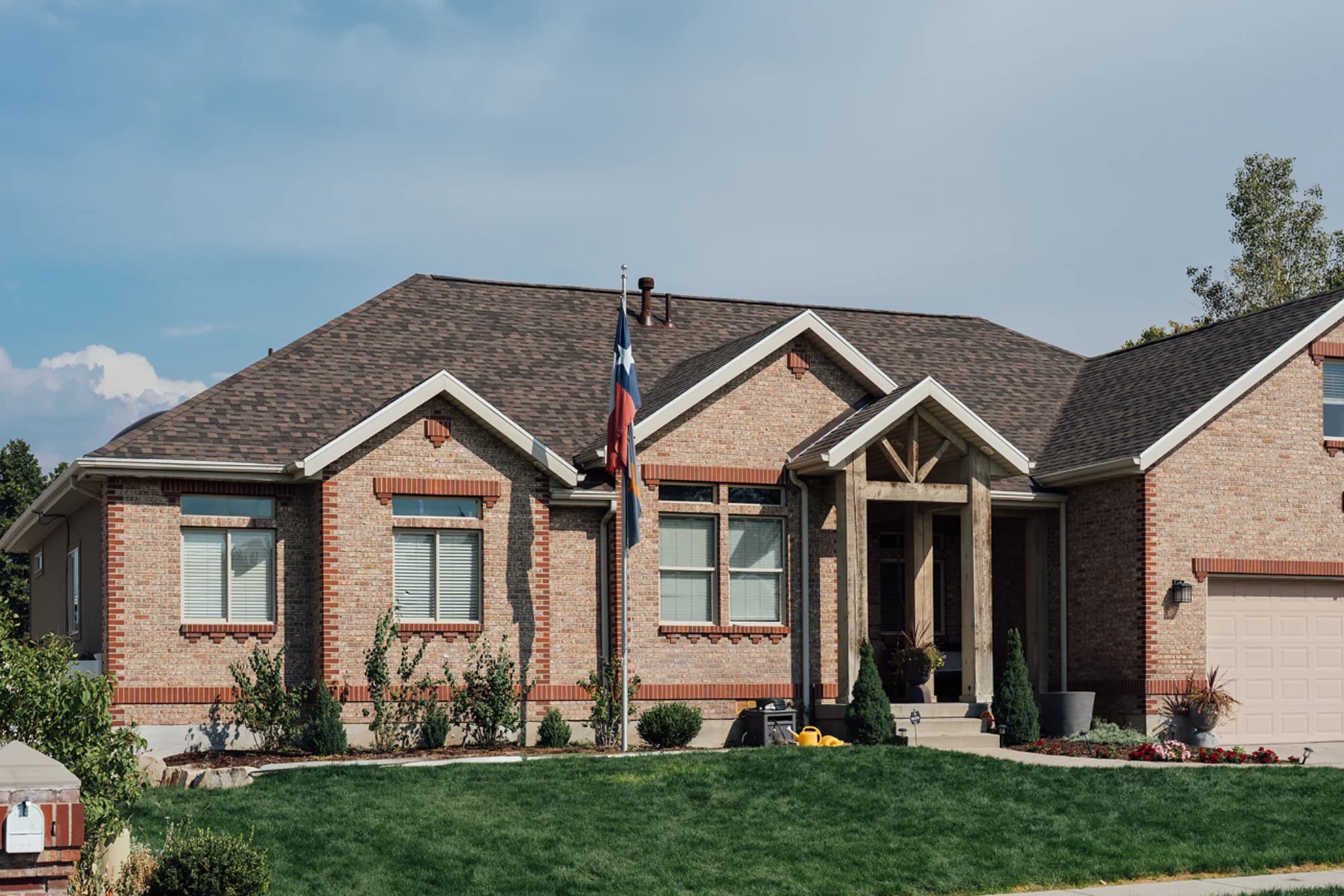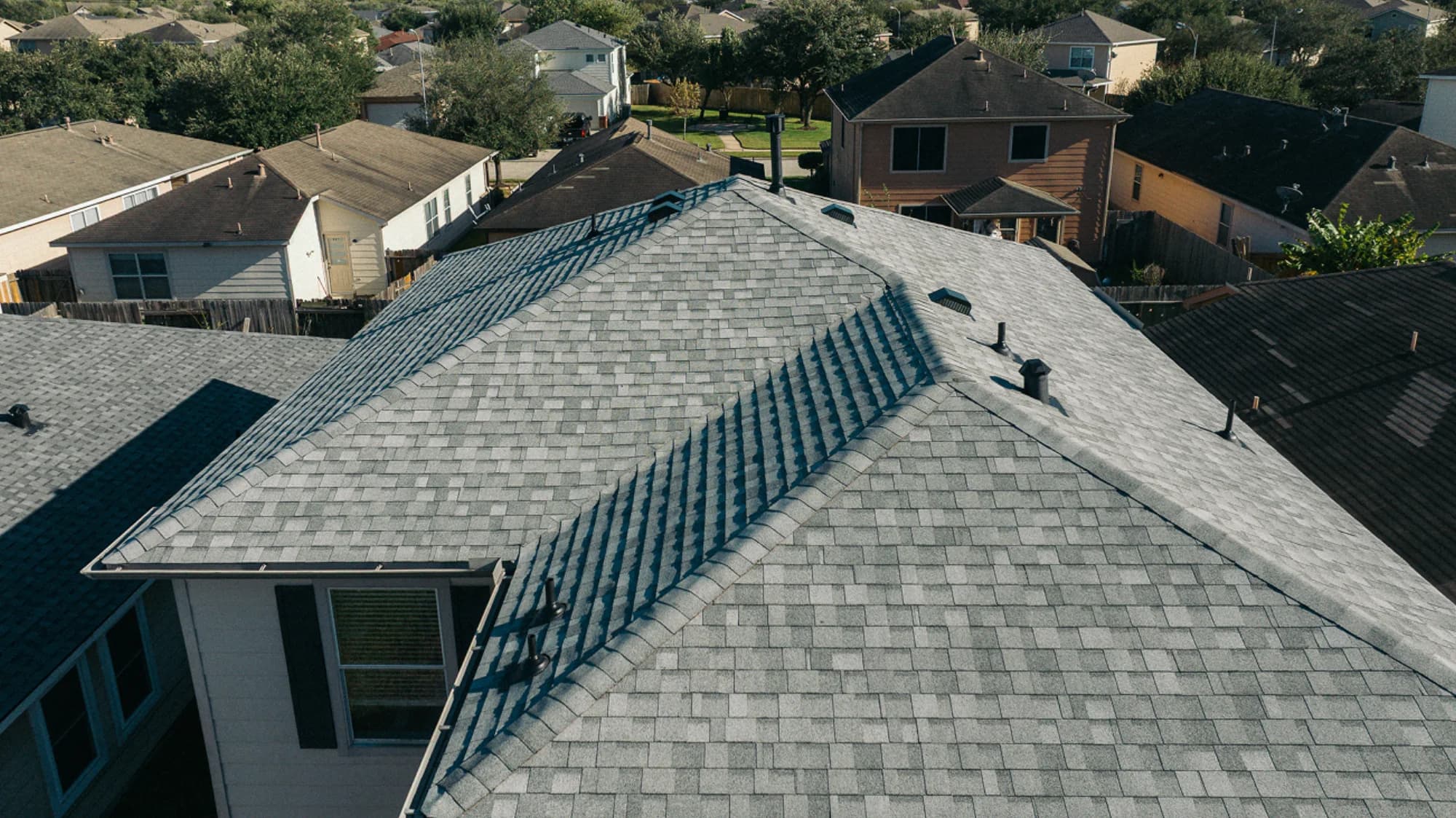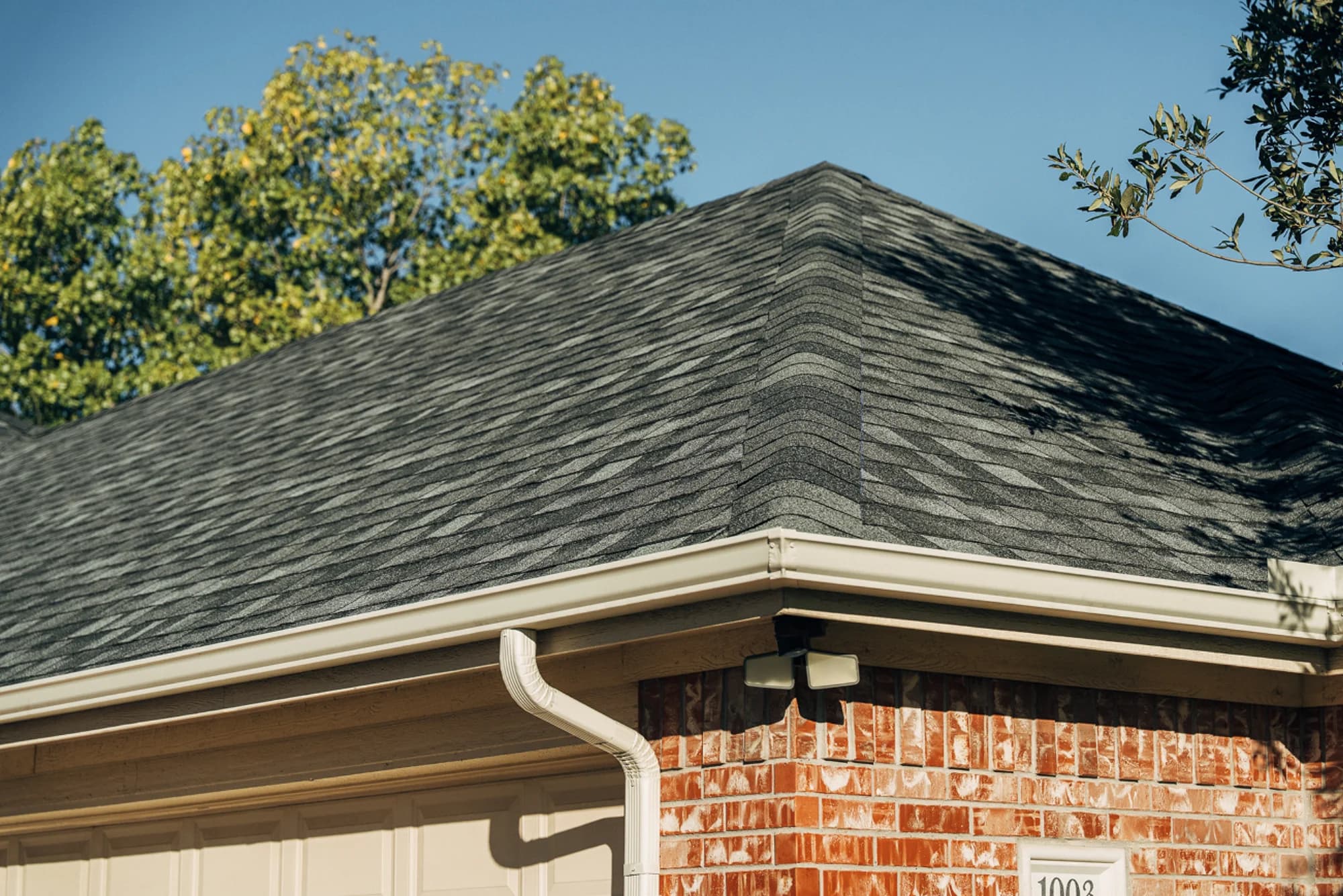
A building permit can feel like one more thing to track during a roof replacement. Whether you need one at all, and what it covers, depends on your local building department.
Who pulls the permit
Your contract should say who pulls it. California’s Contractors State License Board (opens in a new tab) (CSLB), for example, requires a home improvement contract to include written direction on who will get the necessary permits. Other states set their own contract rules, but it is a useful detail to have in writing anywhere.
A clear contract also answers:
- Who pays the permit fees, and whether they are included in the price
- Who schedules inspections and who is there to meet the inspector
- Who responds if the building department asks for more information
If you are asked to pull the permit yourself
Sometimes a contractor suggests the homeowner apply for the permit instead. Before you agree, it is worth asking why and what responsibilities would shift to you. In California, CSLB explains that acting as an “owner-builder” carries legal obligations and risks, and it cautions homeowners about unlicensed individuals who encourage this as a way to save money. Your state’s contractor licensing agency can explain the rules where you live.
How to check if your roof needs a permit
Rules differ by city and county, and by the type of work being completed. Your local building department is the place to confirm what applies to your address.
Denver (opens in a new tab) shows how specific the rules can be. The city requires a roof permit for repairs or replacements covering more than 10% of the roof’s square footage or two roof squares, whichever is smaller. Roofing on a designated landmark or in a historic district must first be approved by the city’s Landmark Preservation office, and changes to the roof’s structural framing cannot go through Denver’s quick permit process. Nearby cities may handle things differently.
When you call or check online, describe the work clearly. Make sure to mention if it is a full replacement or a repair, whether any structural work is planned, and whether you are adding skylights or other new penetrations.
How Remi handles permits
On a Remi roof, the permit is part of the job. Once you decide to move forward, we pull permits and schedule your roof work. We book the final inspection, and we don’t call the job done until it passes.
If you want to confirm Remi is licensed in your state, Remi lists its state contractor licenses.
The project was completed as promised and passed inspection.
Bill’s review describes one project. Keep the permit and final inspection records for your own address.
What to keep after the final inspection
An issued permit and a passed final inspection are two different stages, so it helps to have a record of both. When the job is complete, ask for:
- 1The permit number and the address it covers
- 2Confirmation that the final inspection passed, or a clear next step for anything still open
- 3A copy of any inspection record the building department provides
Keep these with your contract and warranty documents. They help when you sell the home or need future roof work.
Permits handled
Plan your roof replacement
See your scope, price, and next steps before any work begins.
Questions homeowners ask
It depends on your city. Remi’s FAQ notes that permits and inspection windows vary by location and can take longer than the installation, which usually takes 1 to 3 workdays once the crew starts.
In some cities, yes. Denver, for example, always handles a roof permit separately from the general construction permit, even for new construction. It also notes that zoning, wastewater, or the fire department may require their own permits depending on the scope of work.
Sources and further reading
- California Contractors State License Board: Learn About Home Improvement Contracts (opens in a new tab) (checked 2026-10-25)
- California Contractors State License Board: Owner-Builder Risks (opens in a new tab) (checked 2026-10-25)
- City and County of Denver: Quick Permits (opens in a new tab) (checked 2026-10-25)
Product instructions, warranty terms and local requirements can change; use the documents that apply to your project.