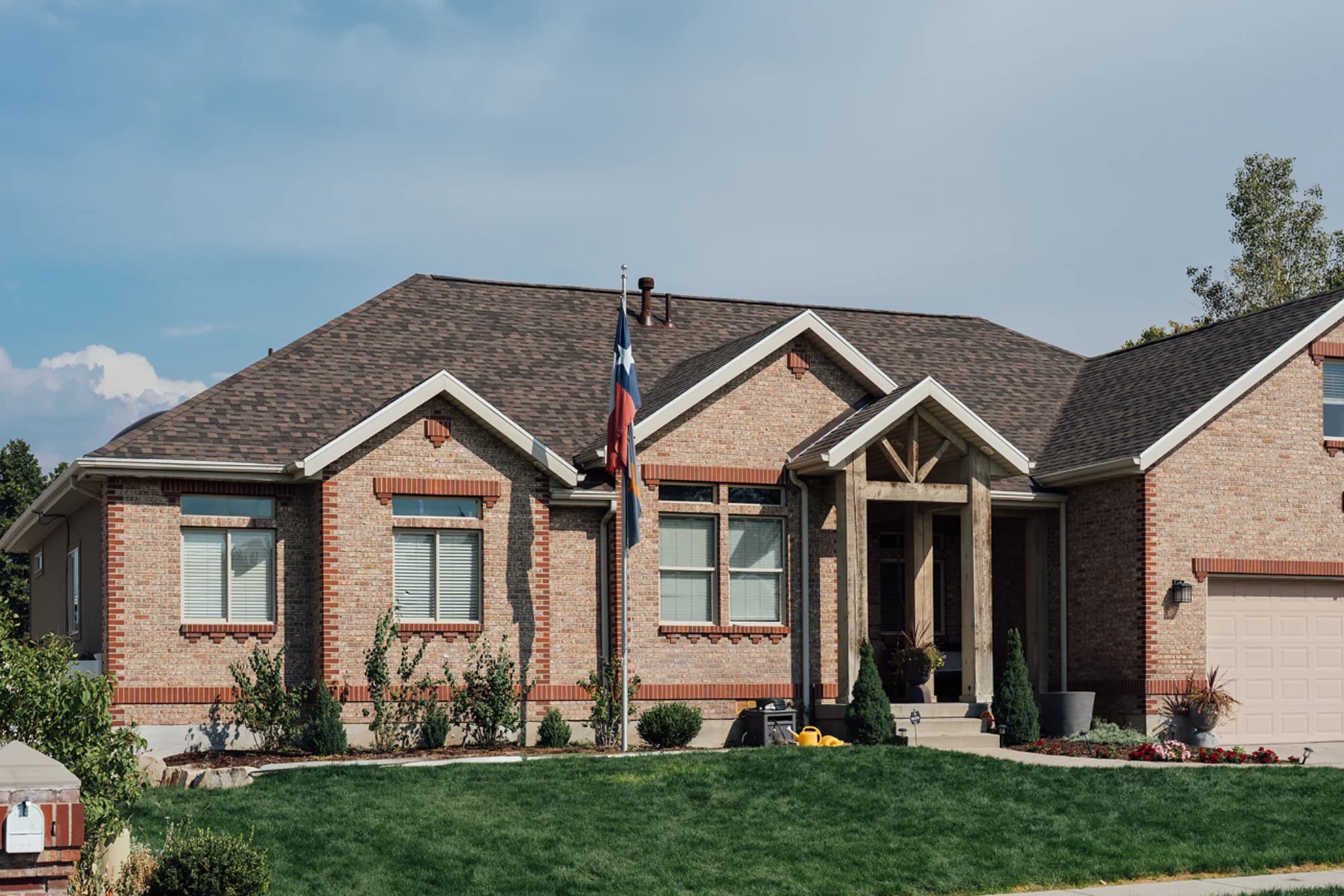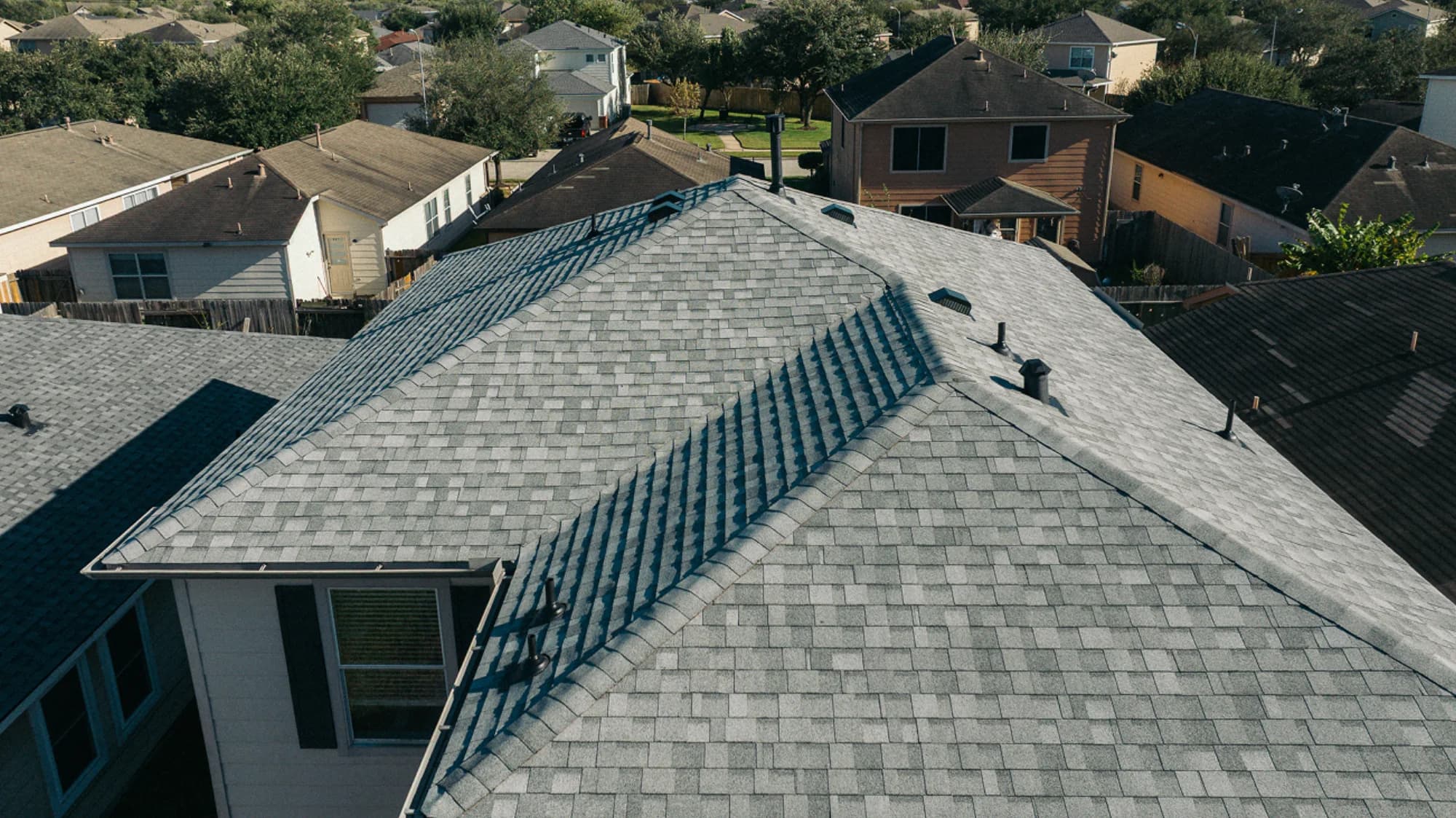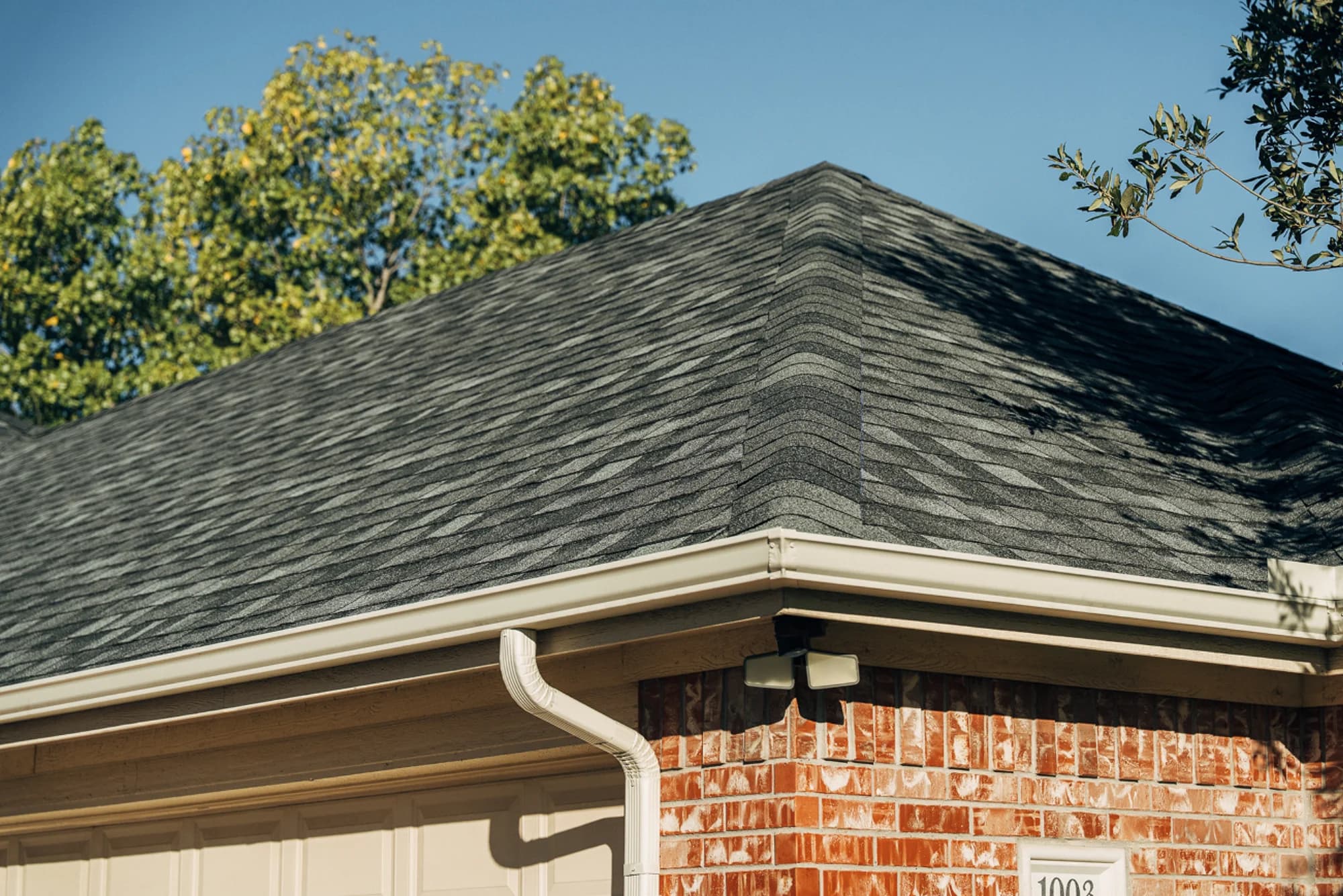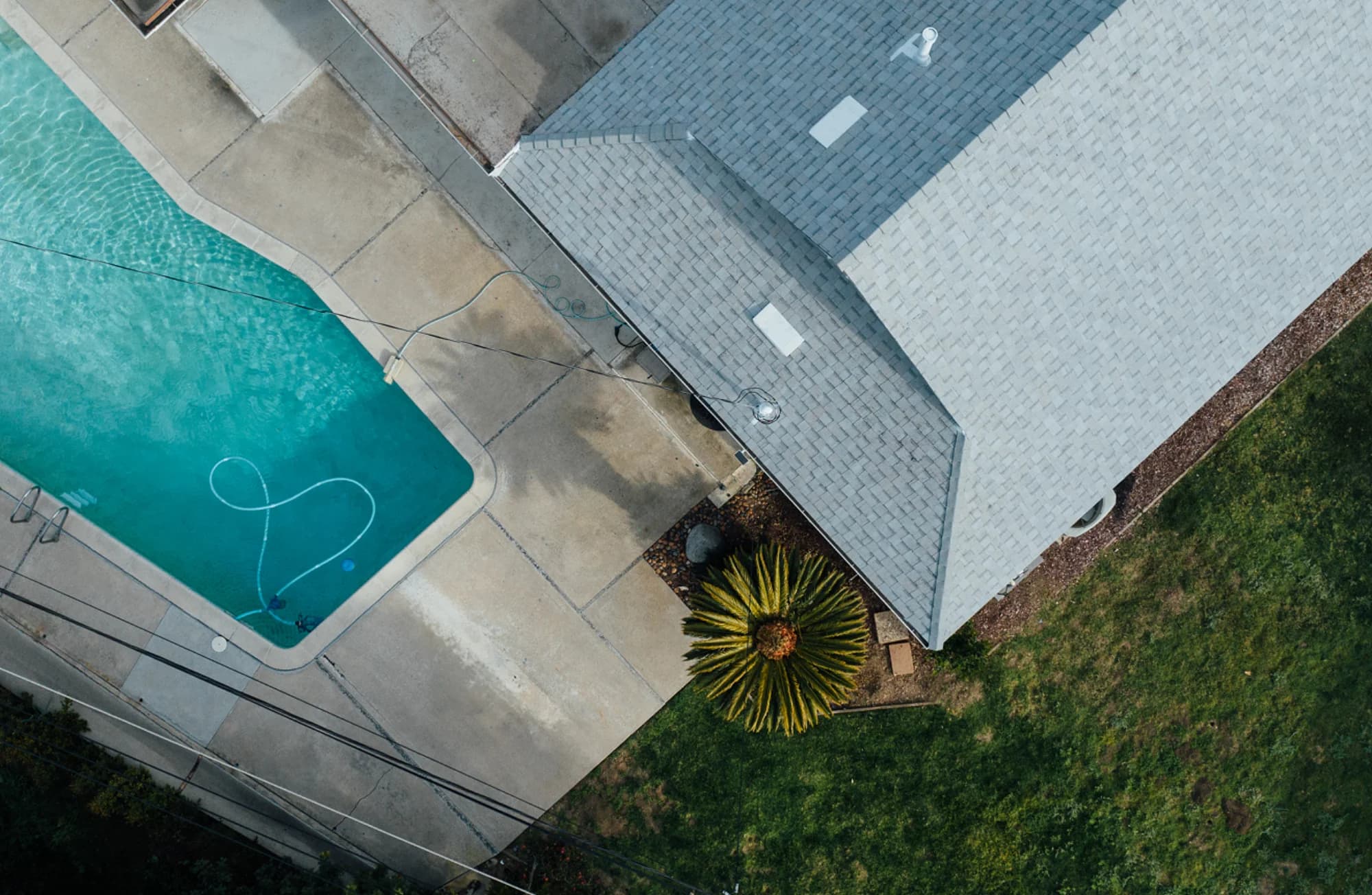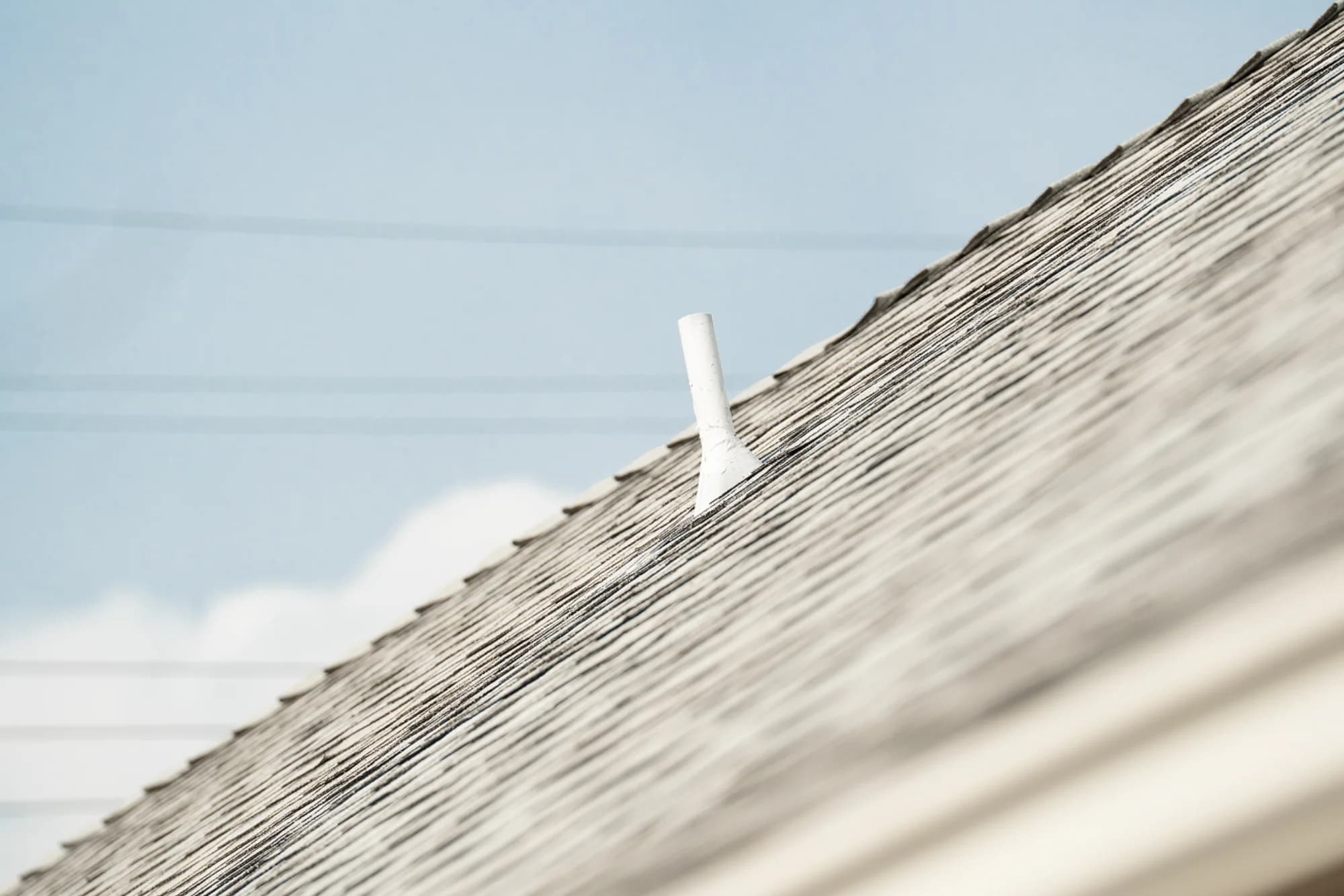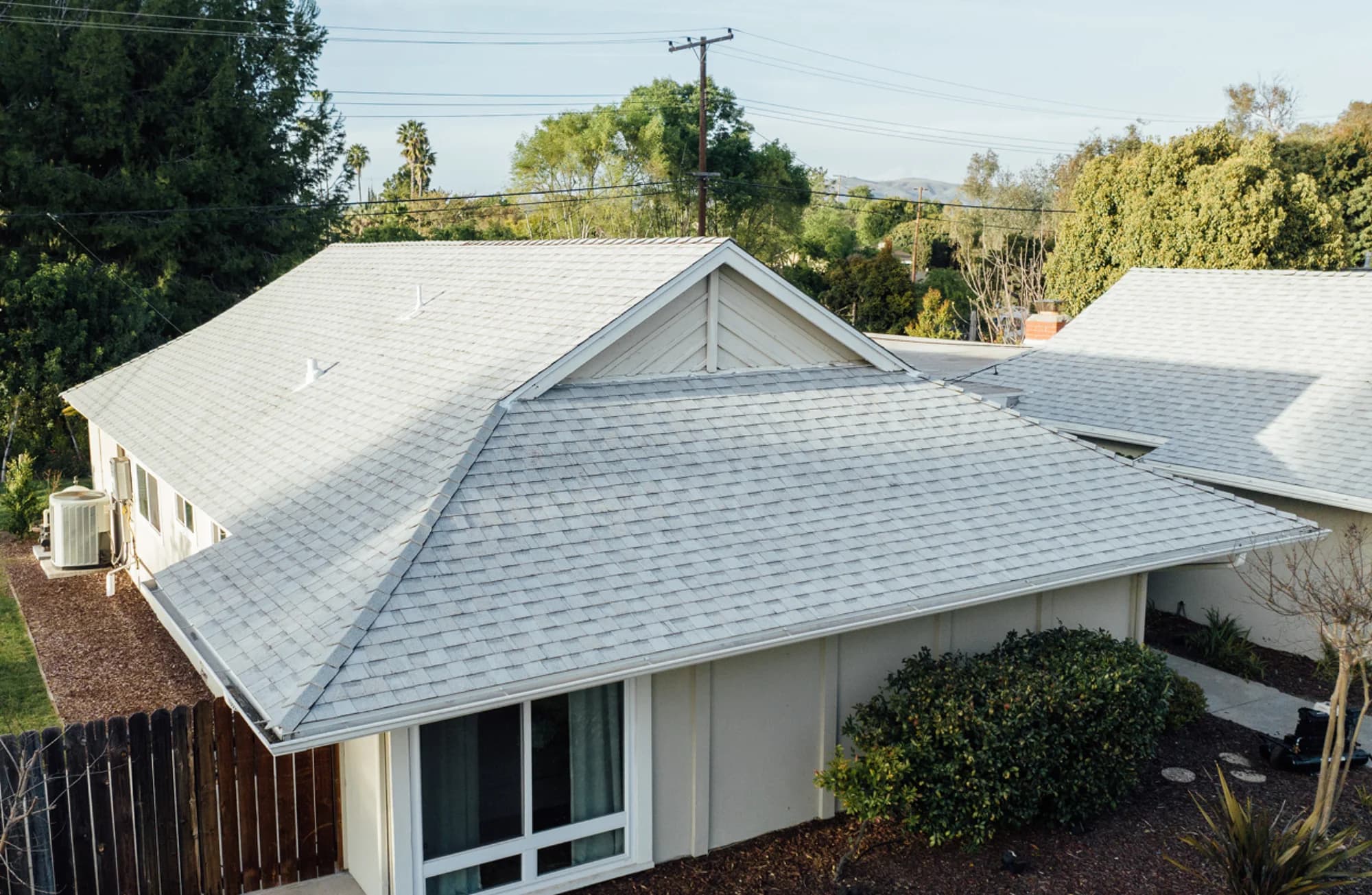
Light shingles absorb less sun than dark ones, so the roof runs cooler. The absorbed energy can be transferred to the roof deck, insulation, attic, and interior. The less absorbed energy, the better. Whether that lowers your energy bill depends on your climate, insulation and ventilation.
What makes a roof cool?
A cool roof is one that is designed to stay cooler in the sun. Two factors are involved in the temperature of the roof: reflecting sunlight and emitting the absorbed heat. The ENERGY STAR Cool Roofs (opens in a new tab) explains that light-colored roofs have higher solar reflectance. This means that less solar energy is absorbed resulting in the roof typically heating up less. In contrast, dark-colored roofs have lower solar reflectance. This leads to more sunlight being absorbed in the roofing material, which heats the roof. The U.S. Department of Energy’s 2010 Cool Roof Guidelines (opens in a new tab) explain that light-colored roofing materials typically reflect around 55 percent to 90 percent of incoming sunlight. The traditional dark roofing materials reflect only around 5 percent to 20 percent of incoming sunlight.
Darker shingles can still reflect sunlight
Color is only part of the story. Shingles made to reflect sunlight can look like the conventional dark-colored shingles. DOE explains that a “cool dark color” reflects more sunlight than a similar standard color. For example, a conventional dark surface might reflect 20 percent of sunlight, a cool dark surface 40 percent, and a light surface 80 percent. Although the cool dark color performs better than the conventional dark color shingles, it still reflects less than a light-colored shingle.
How much your climate matters
DOE’s guidelines indicate that climate has the biggest impact on a cool roof’s energy savings. ENERGY STAR says cool roofs work best in hot, sunny climates such as the southern U.S., on buildings with low levels of roof insulation. It adds that savings in northern climates are predicted to grow as the climate warms.
Colder climates have a winter tradeoff. DOE explains that a cool roof reduces heat gain all year. In colder climates a cool roof can increase energy costs by cutting helpful winter heat gain. DOE calls this the heating penalty. The yearly cooling savings are often substantially higher than the heating penalty. If you live somewhere with cold winters, it is worth weighing both seasons rather than strictly summer. Since DOE’s guide dates from 2010, it is a helpful reference to learn how cool roofs work rather than a resource for current cost estimates.
Your house matters too. DOE prioritizes a well-insulated roof over a cool roof. Insulation can greatly reduce heat lost or gained through a roof. Energy savings depend on your insulation, attic ventilation, energy prices, your heating and cooling system, and how you use the home.
How to check the rating for a specific color
The Cool Roof Rating Council (CRRC) keeps a Rated Products Directory (opens in a new tab) that ENERGY STAR points homeowners to. You can search by manufacturer, product name, and color. It lists solar reflectance, thermal emittance (how readily the surface gives off the heat it absorbs), and the Solar Reflectance Index (a single score that combines the two, where a higher number means a cooler surface) for each rated product, both when new and after three years of weathering. DOE recommends using the weathered values when estimating energy savings.
A few points help when you read the listings:
- Choose the shingle product first, then compare its colors, so you are not comparing one product’s light shade with another product’s dark shade.
- A rating is not an approval and does not mean a product counts as “cool” under a particular code or program.
- If a color is not listed, ask the manufacturer or your contractor whether it has been rated.
ENERGY STAR also notes that some locations may require cool roofs in new construction and re-roofing projects, and that incentives such as rebates and loans are available in some U.S. locations. Your local building department or utility can tell you whether either applies to you.
Choosing a color you will be happy with
View samples outdoors next to your siding, brick, and trim, and look at photos of a full roof in daylight, since a small sample can look different across a whole roof. If your homeowners association approves roof colors, get that approval for the exact product and color.
We can source from major manufacturers and confirm your HOA’s required brand or style before we order (shingle FAQ). If you’re still deciding on the shingle itself, our guide to architectural and three-tab shingles can help.
my roof is one of the most beautiful roofs around.
Linda describes the appearance of one roof. Compare published ratings for the product and color you choose.
Color checked before ordering
Get a roof quote with your color in mind
Have a color or an HOA rule in mind? Bring it up when you request a quote.
Questions homeowners ask
DOE says it is possible to coat existing asphalt shingles, but this is not normally recommended or approved by shingle manufacturers. If you are replacing the roof anyway, you can compare rated colors before you order.
It may. ENERGY STAR and DOE both note that a lower roof temperature may extend the life of roof materials by slowing wear.
Sources and further reading
- U.S. Environmental Protection Agency: Cool Roofs (opens in a new tab) (checked 2026-10-18)
- U.S. Department of Energy: Guidelines for Selecting Cool Roofs (opens in a new tab) (checked 2026-10-18)
- Cool Roof Rating Council: Rated Products Directory (opens in a new tab) (checked 2026-10-22)
Product instructions, warranty terms and local requirements can change; use the documents that apply to your project.