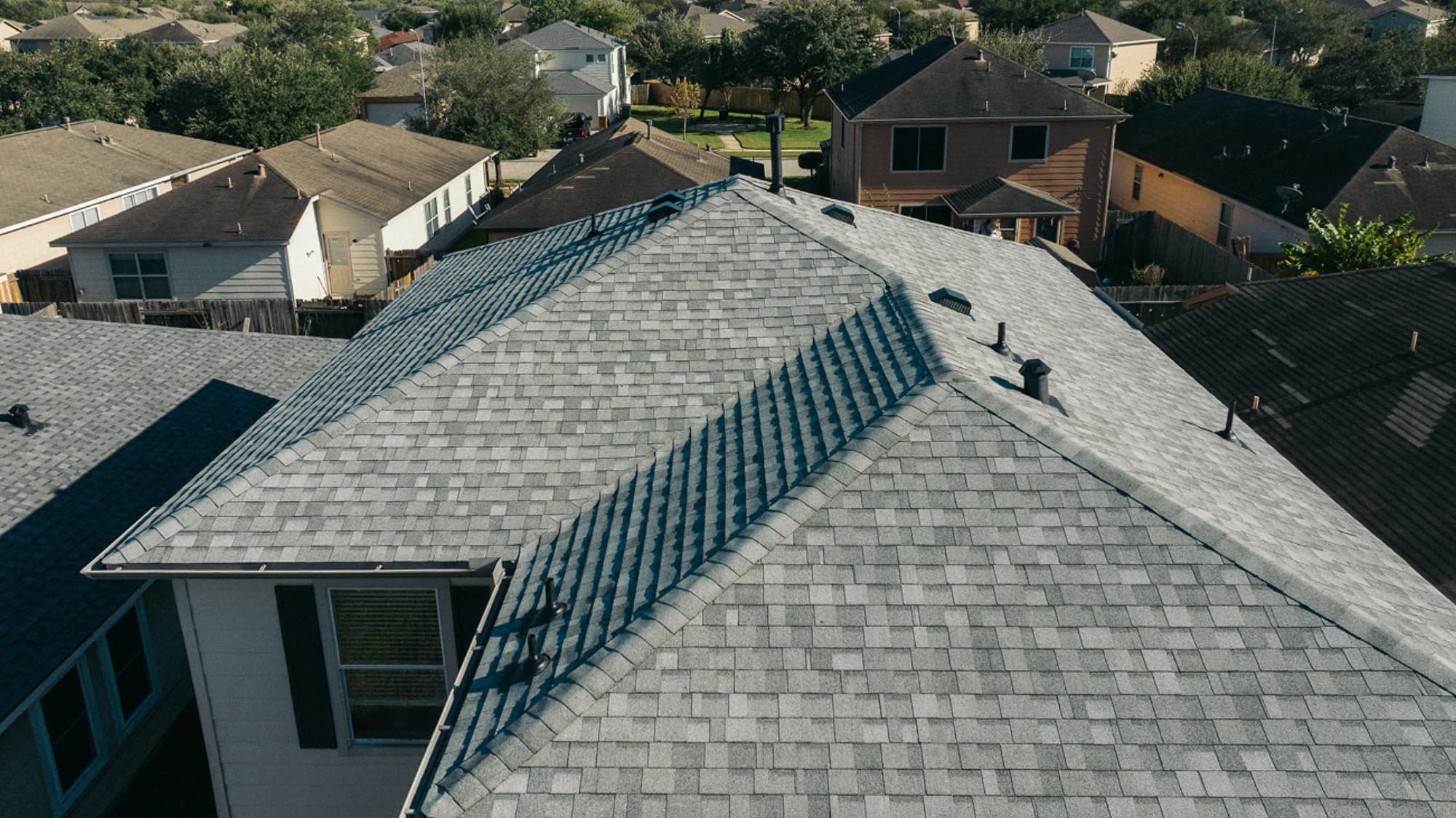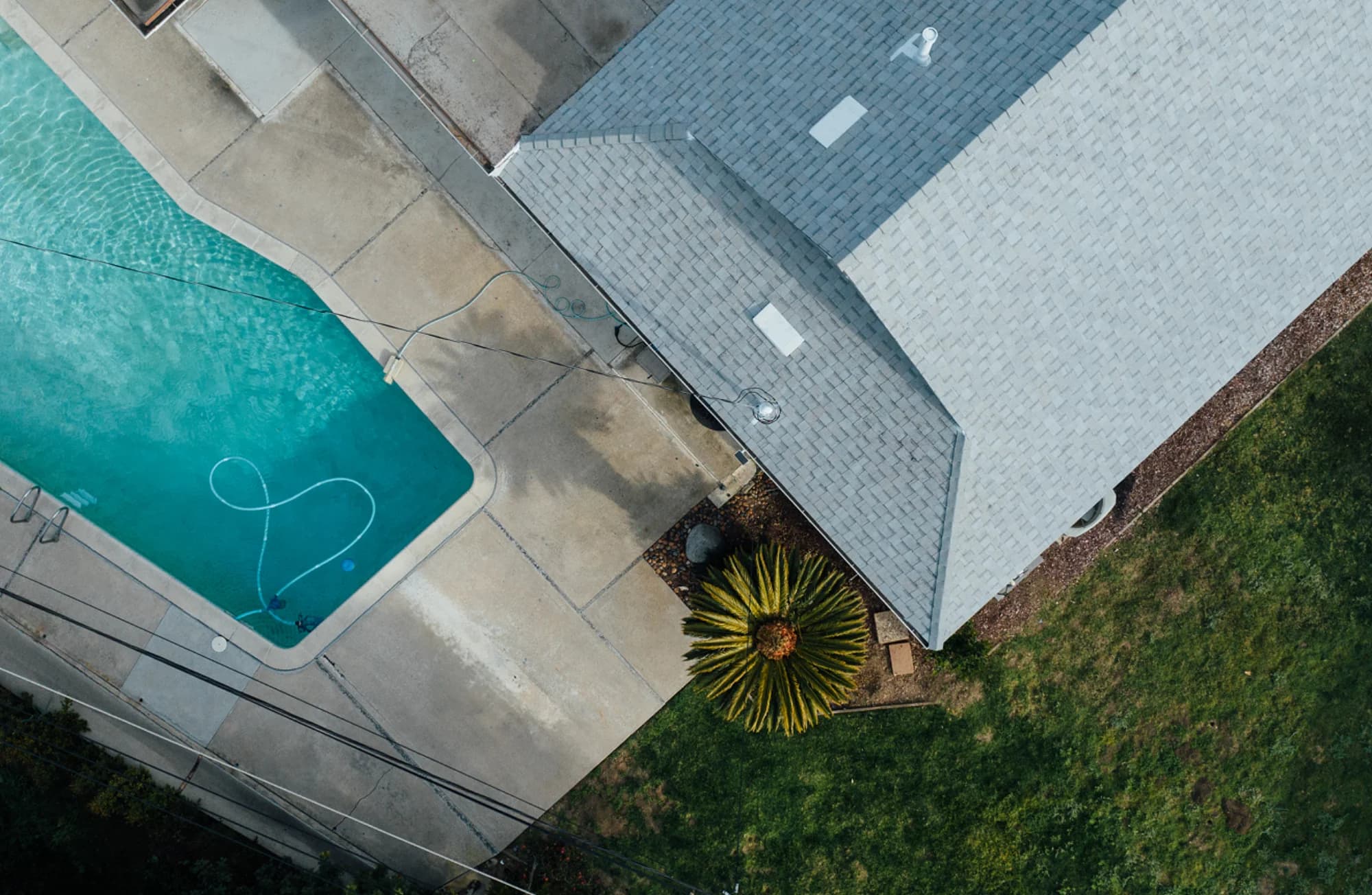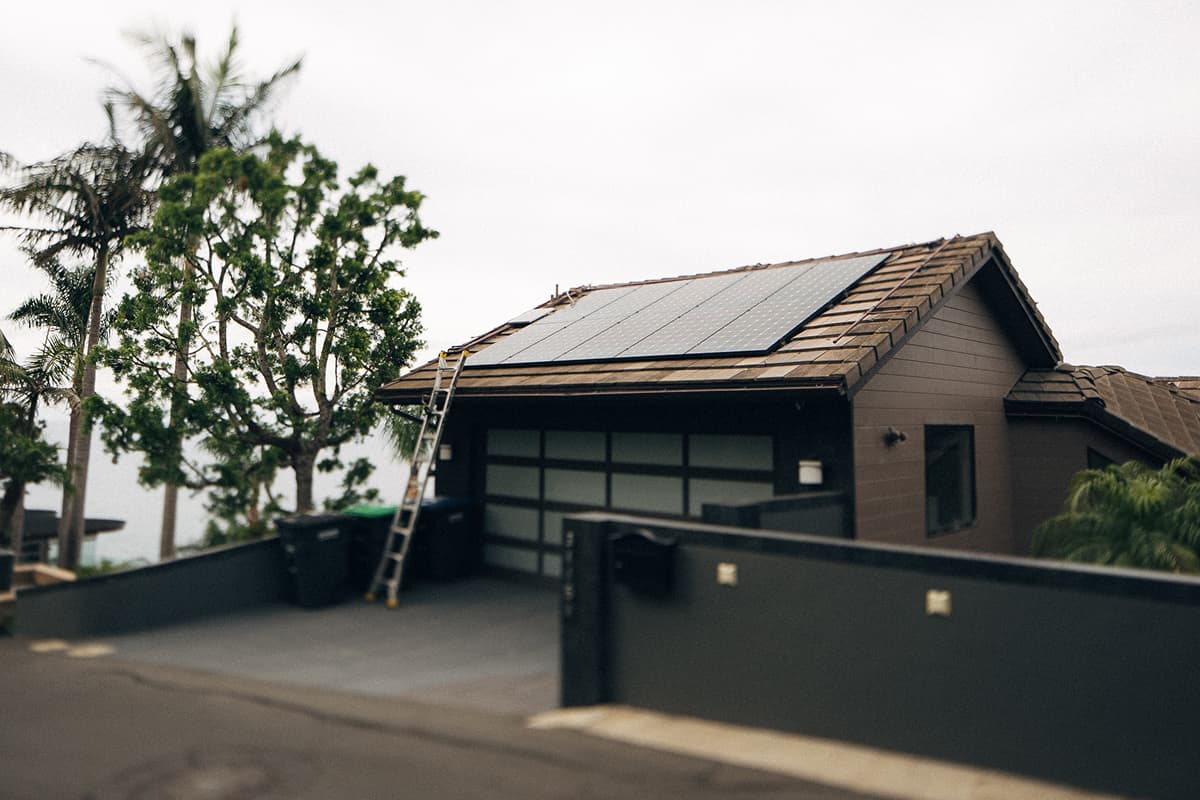
Your solar system will stop producing power while it is disconnected for a roof replacement. First, the panels over the work area generally need to be removed. A solar crew shuts down the system and removes the panels and roof-mounted equipment. Second, they protect the equipment while the roofing crew completes the new roof. After the roofing crew is done, then the solar crew reinstalls the system, reconnects it, and confirms that it is producing power again.
The roofing and solar crews need to agree on which panels and mounts must come off before work starts. A repair outside the panel array may not require removal; replacing the roof beneath it generally does. Check your solar agreement before scheduling the work, since it may limit who can disconnect or reinstall the system.
Remi handles this as one coordinated roof-and-solar project. Before the first crew arrives, our goal is to define the price, schedule, responsibilities, storage plan, and closeout requirements. We eliminate the scheduling and logistics gaps that typically occur with two separate contractors. Rather than leaving the homeowner to pick up the slack, we have authorized technicians that can cover both projects. This will help maintain your equipment warranty and save you time and money.
The roof-and-solar sequence at a glance
The exact plan depends on your roof, solar equipment, provider agreement, and local requirements. A coordinated Remi project generally follows this sequence:
| Stage | What happens | What confirms the stage is complete |
|---|---|---|
| Plan the project | Remi reviews the roof and solar scope, identifies the responsible crews, and lines up the schedule | A written proposal explains the included roof and solar work |
| Remove the solar system | A solar crew shuts down the system and removes the panels and affected roof-mounted equipment | The roof work area is clear and the removed equipment is protected |
| Replace the roof | The roofing crew removes the old roofing, completes the approved roof scope, and prepares the finished roof for solar reinstallation | Roofing work and required quality checks are complete |
| Reinstall the solar system | The solar crew installs the required mounting equipment, returns the panels, and reconnects the system | The equipment is secured and the system is ready for testing or required inspection |
| Verify and close out | The system is checked for production and the roof project receives its final documentation | The homeowner receives confirmation that the roof and solar portions are complete |
The homeowner should not have to act as the scheduler between the roofing and solar crews. You will know who owns each stage, which dates are firm, and what could cause the next stage to move.
Before scheduling, identify who controls the solar system and know about any limitations
Start with a basic question: Who owns and services your solar equipment?
Knowing this answer can lead you to the next question:
Do I have any limitations that I need to be aware of?
There can be different service rules for an owned system, a solar loan, a lease, and a power purchase agreement. The original installer or current provider may require notice, approval, or an authorized contractor before anyone disconnects the equipment. The U.S. Department of Energy (opens in a new tab) notes that the panels and mounting system need to be removed for a roof replacement and that decisions about changing an existing system can affect other arrangements, including utility agreements.
Before requesting a combined proposal, gather the information you already have:
- The solar provider or installer name
- Whether the system is owned, financed, leased, or covered by a power purchase agreement
- The system agreement and current warranty documents
- The number and location of the panels
- Any known monitoring, inverter, battery, or equipment issues
- Contact information for the company that currently services the system
The proposal should identify who will perform the solar work and what provider approval, permits, or inspections may be required. It is important to avoid assuming that a roofing contractor can disconnect the solar array simply because it is attached to the roof.
The best way to coordinate solar panel removal and roof repair
Roof replacement with solar is easier to manage when the removal, roof work, and reinstallation are planned together. Remi's roofing-and-solar service bundles those stages into one project and one quoted price.
The combined scope should answer practical questions before work begins. It should state how much of the array must come off, who disconnects and reconnects it, where the panels will be kept, who will reinstall and test the system, and whether reinstallation is included in the price. It should also explain the included roof repairs, the process for an unexpected decking issue, and who confirms that the system is back online.
In Remi's experience, the roof may be fully scoped while the solar portion remains incomplete, especially when an insurance claim is involved. Remi works through those details before scheduling so the homeowner is not left with an approved roof project but no clear plan for the solar array.
This is also where scheduling matters. Remi lines up the solar removal and roofing dates early so the homeowner is not left waiting between crews without a plan. Each Remi worksite has one account manager who owns homeowner communication. SMS or text is the default channel, with an expectation of proactive updates so the homeowner is not left without an update for more than about 48 hours. If a scheduled start date changes, the homeowner is notified, and reminders are sent the day before and the day of the work.
A website description is helpful, but your proposal controls your project. Read the roof scope, solar scope, exclusions, change-order terms, and payment schedule together. Remi also explains what its guaranteed price covers, which you can compare with the terms in your proposal.
A solar crew removes and protects the equipment
Before roofing begins, the solar system must be shut down according to the equipment and provider requirements. The solar crew then removes the panels and the roof-mounted components that would block the roofing work.
Removal is more than lifting modules off the roof. The crew needs to work with the system's electrical connections, racking, attachments, and monitoring setup without treating every array as interchangeable. The condition and compatibility of the existing equipment can affect what happens during reinstallation.
Remi's published process includes storing the panels while the roofing work is underway. Your written scope should still say who is responsible for the equipment during that period and where it will be kept. If a panel, mount, wire, or other component appears damaged or unsuitable for reuse, the homeowner should receive an explanation before replacement work changes the scope or price.
The roofing crew gets an unobstructed work area
Once the affected solar equipment is off the roof, the roofing crew can remove the old roofing and inspect the work area that had been covered by the array. Any old attachment points and the condition of the roof deck need to be addressed as part of the approved roofing system.
The roof work then proceeds much like another replacement, but the finished roof must also be ready for a compatible solar mounting system. Remi's roof-work process explains the broader roofing stages, from planning through installation and closeout.
Before Remi considers a roof project complete, the workmanship must be finished, debris removed, nails swept with magnets, and gutters and downspouts cleared and reattached. Completion photos are uploaded and quality checked. Any required permit or final inspection must pass. When applicable, closeout also includes a walkthrough or homeowner confirmation and completion paperwork.
For a roof-and-solar project, completing the roof leads to the subsequent step in finishing the job. The solar system will be reinstalled next.
What does reinstallation of solar panels entail?
After the new roof is ready, the solar crew returns to install the required mounting equipment, replace the panels, reconnect the electrical components, and verify production. The precise method depends on the roof assembly, mounting system, array design, and provider requirements.
This is why homeowners should be cautious about a proposal that treats reinstallation as an undefined final step. Roof attachments must be appropriate for the finished roof, penetrations must remain watertight, and the panels and electrical equipment must be secured and connected according to the applicable system requirements. The original rails, mounts, layout, or electrical components may not be reusable on every project.
The short This Old House segment below shows one solar installation sequence, including roof attachments, rails, electrical connections, panel placement, and fastening. The featured roof, mounting hardware, and microinverter system may differ from yours. Keep in mind that this is a visual example, not a Remi project or a universal reinstallation method.
What does completion of solar panel installation include?
Even though a roof can look complete, the solar portion can still be waiting on reconnection, inspection, monitoring, or provider sign-off. Make sure the closeout plan defines what “back online” means for your system.
Remi's process includes a clear sign-off step after the panels have been reinstalled and reconnected. The solar crew verifies that the system is producing normally, and the sign-off confirms that the system is back online. Depending on the equipment and local rules, other approvals or inspections may also be necessary. Ask who is watching for those requirements and how you will be told that the system is operating normally again.
When a homeowner reports a concern after installation, Remi first acknowledges it and collects the property address, a description, photos, and the homeowner's availability. Concerns that appear connected to the installation or project damage are escalated internally with the supporting evidence. Operations can then coordinate with the contractor or another roofing expert, schedule a return visit, document any corrective work, and close the issue after the homeowner confirms it has been addressed.
Keep the completion documents with your roof proposal, solar agreement, warranties, permits, and photos. If the monitoring portal does not show what you expect after restart, contact the project manager or solar provider rather than trying to diagnose or adjust roof-mounted electrical equipment yourself.
How long will the solar system be off?
The system is normally offline from shutdown and removal until it has been reinstalled, reconnected, and cleared for operation. The active work may be brief, but the calendar depends on how closely the two crews and any required approvals are coordinated.
Remi’s roof installations take one to three working days, and solar work can add one to two work days. These are general work-duration estimates, not a promise of the full calendar time for every project. Weather, roof-deck repairs, provider requirements, equipment condition, permitting, and inspection availability can all affect the schedule.
One Remi customer described a particularly fast sequence:
In less than four full days they removed solar panels, gave us a new roof, and replaced the panels.
The useful detail is that the review describes all three stages as one connected project. When you compare proposals, ask for the expected removal date, roofing window, reinstallation date, and the conditions that could move each one. This is one homeowner’s experience, not a standard timeline.
Warranty rules depend on the provider and project
Removing solar equipment does not automatically void a warranty, but you should never assume that any contractor can do the work without affecting your coverage. Read the system agreement and get the applicable approval in writing before removal.
Remi currently publishes a five-year roof workmanship warranty, a manufacturer materials warranty, and a two-year solar penetration warranty when Remi removes and reinstalls the panels. An optional extended roof warranty may also be available. Review the current Remi warranty information and the actual terms included with your proposal. Your solar equipment and production coverage may come from a separate provider agreement.
What should a combined roof-and-solar proposal include?
Before you sign the written proposal, make sure that it addresses each of these items:
- The panels and roof areas included in the removal scope
- The company responsible for shutdown, disconnection, removal, storage, reinstallation, and reconnection
- Any solar-provider approval, permit, inspection, or utility requirement
- The roof system, included repairs, and change-order process
- How old roof attachments and new solar penetrations will be handled
- Whether existing mounts, rails, and electrical equipment can be reused
- The expected removal, roofing, and reinstallation schedule
- The method for confirming that the solar system is producing again
- The roof, solar penetration, equipment, and workmanship warranties that apply
- The combined price, exclusions, and responsibility for unexpected equipment replacement
If one contractor quotes the roof and another quotes the solar work, compare the scopes side by side. If a much lower price for one of the scopes is noticeable, read the specifics. A low roofing price is not helpful if it leaves the homeowner responsible for an unpriced removal, storage, reinstallation, or approval step.
The best process delivers a smooth transition from solar to roofing
Remi's approach is built around making sure one stage ends where the next begins. This includes coordination between: one roof-and-solar scope, one account manager, scheduled handoffs, protected panel storage, roof quality checks, solar reinstallation, and production verification. The details still belong in your proposal because the provider, equipment, roof, and local requirements can change the plan.
If you are planning a roof replacement beneath an existing solar array, review Remi's roofing-and-solar process and gather your solar agreement before the project is priced. When you are ready, you can request a roof-and-solar quote.
Frequently asked questions
For a full roof replacement, panels and mounting equipment over the work area generally need to be removed so the roofer can access the roof surface. A limited repair outside the array may be different. The roofer and solar provider should review the actual work area before deciding what must come off.
A qualified solar professional who meets the requirements of the equipment provider, the contract, and the local requirements should handle shutdown, removal, reconnection, and testing. The roofing proposal should name the responsible company instead of leaving the homeowner to arrange it after the roof date is set.
The storage plan depends on the project. Remi's coordinated process includes keeping the removed panels protected during the roofing work. Confirm the location, responsibility, and handling plan in the written scope before removal begins.
Not necessarily. The answer depends on the system agreement, equipment warranty, provider, and person performing the work. Contact the provider before removal and get any required authorization in writing.
It can be a useful time to evaluate older or underperforming equipment because the array is already being removed. Replacing equipment can affect cost, permitting, warranties, and utility arrangements, so compare the remaining useful life and expected production of the existing system with a written upgrade proposal before deciding.
Sources
- 01Remi: How do I replace my roof when I have solar panels?
- 02Remi roofing and solar
- 03Remi: What warranties come with a Remi roof?
- 04Remi: How long does roof replacement take?
- 05U.S. Department of Energy: Should I replace my rooftop solar system? (opens in a new tab)
- 06This Old House: Installing Solar Panels (opens in a new tab)