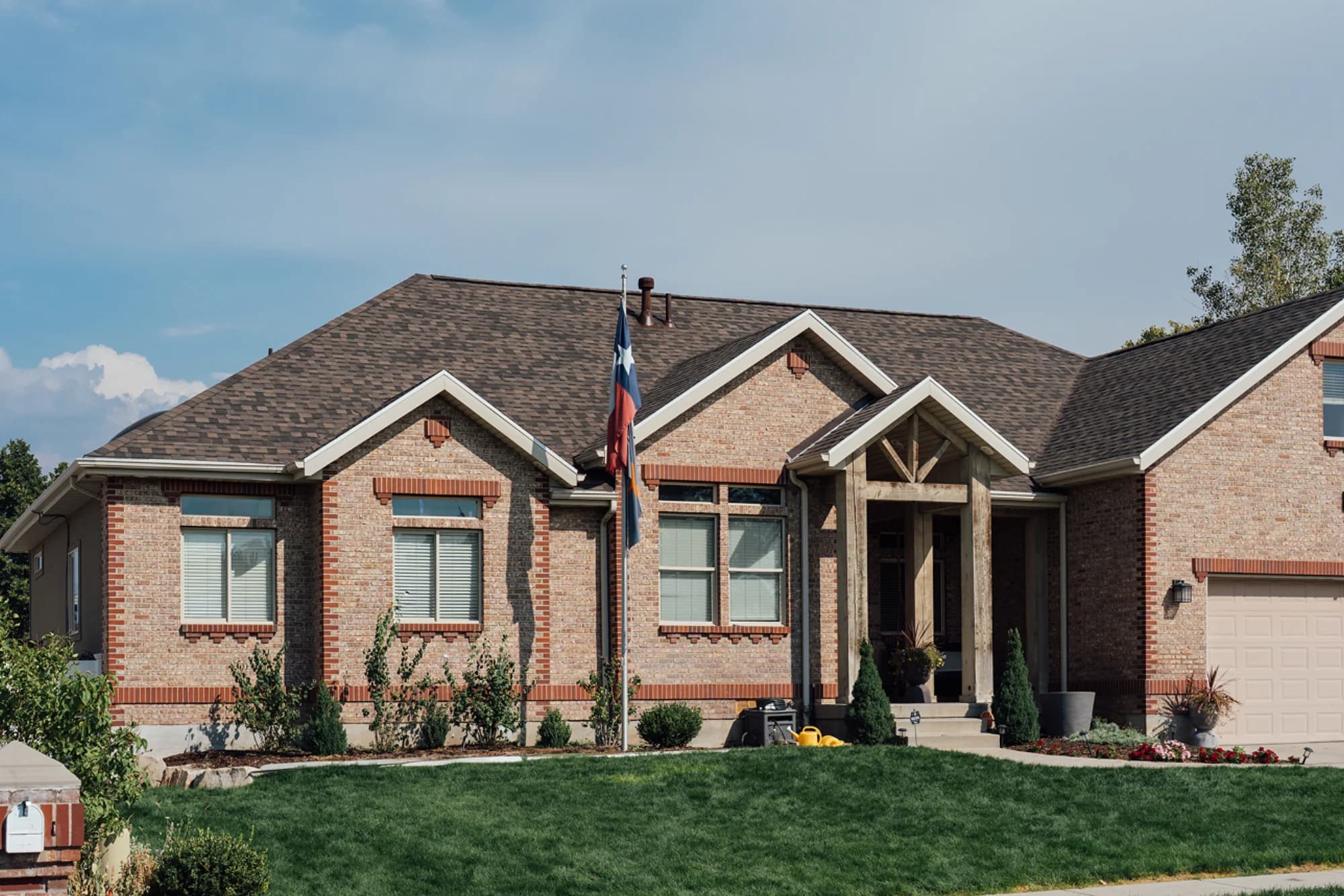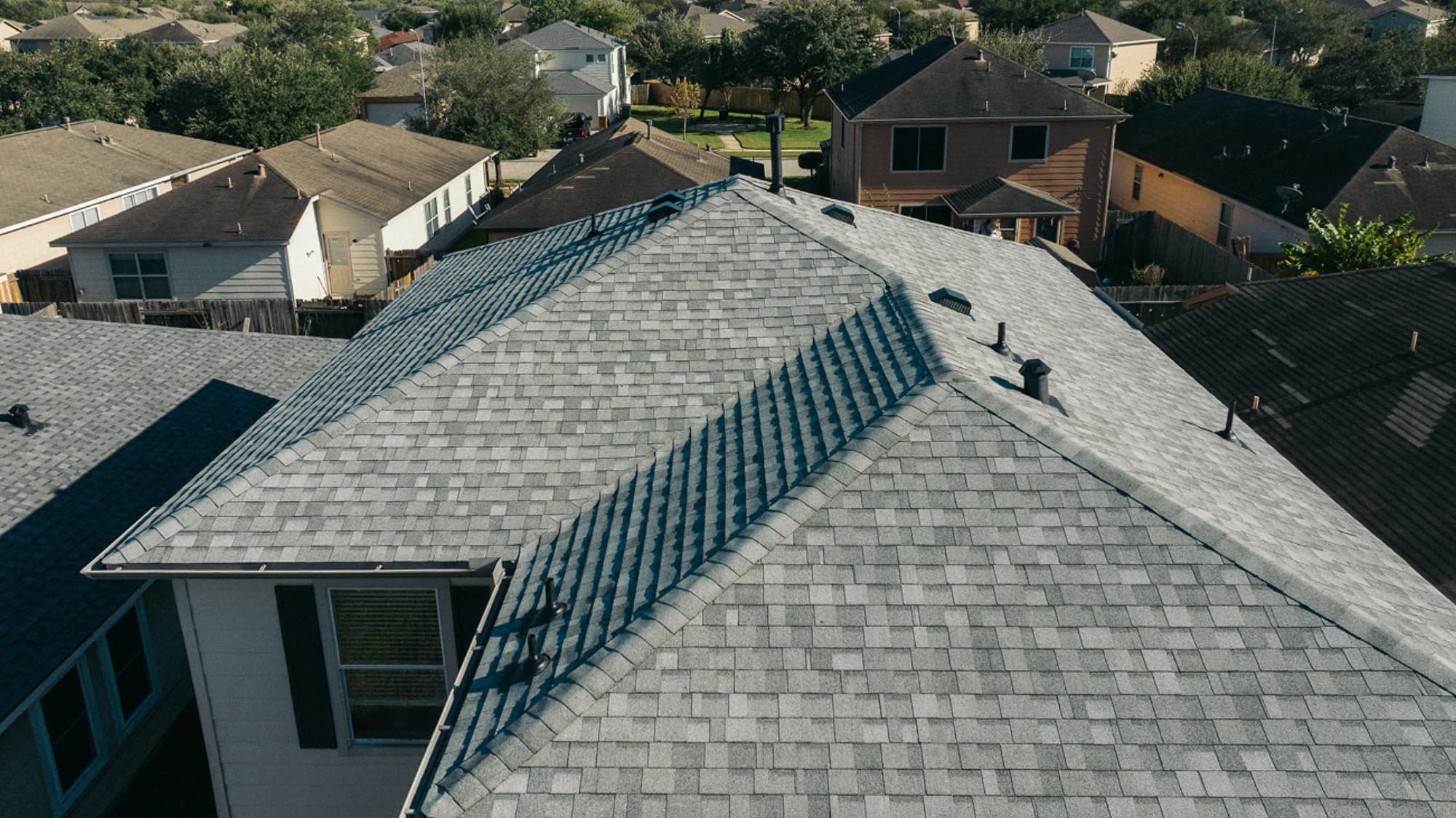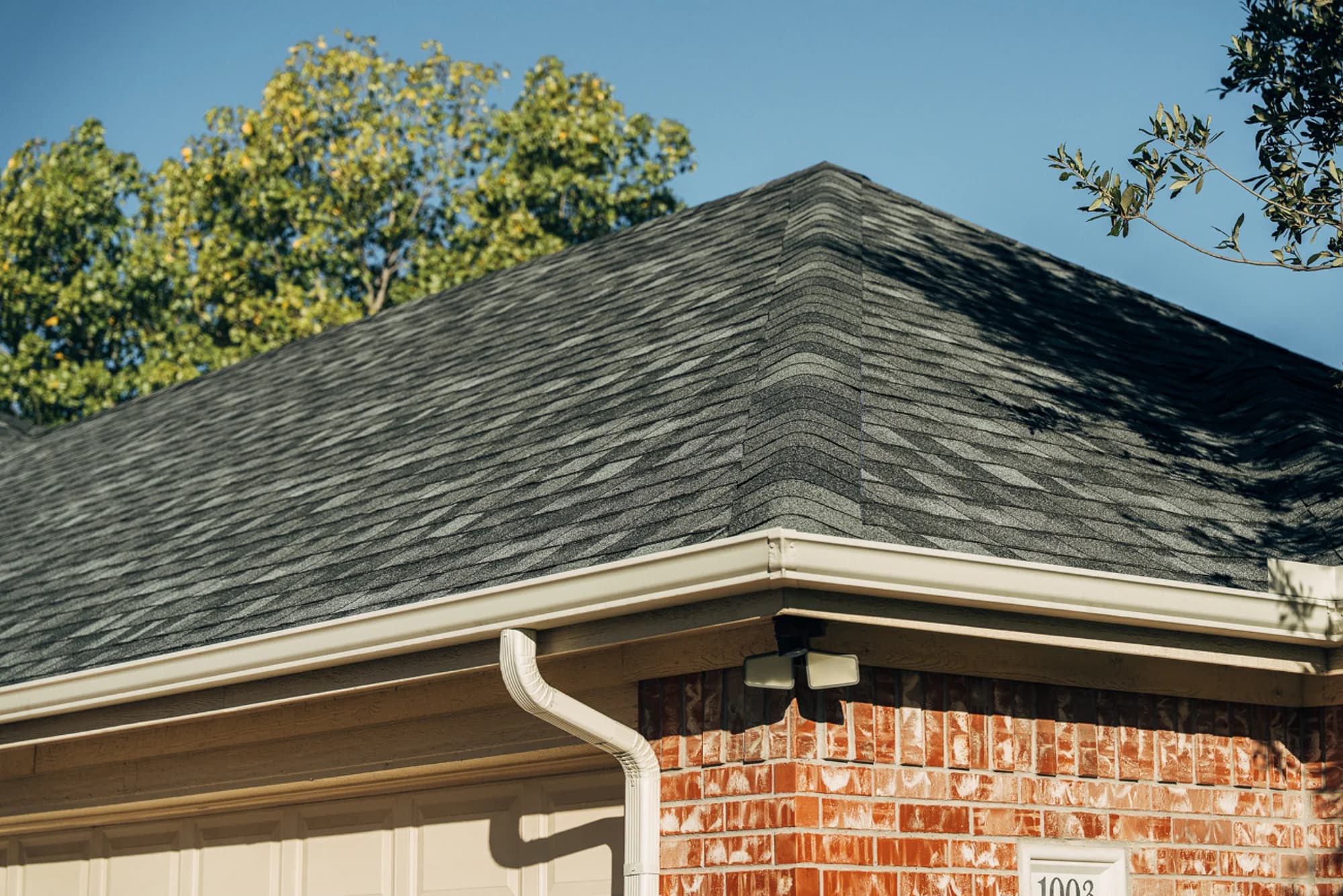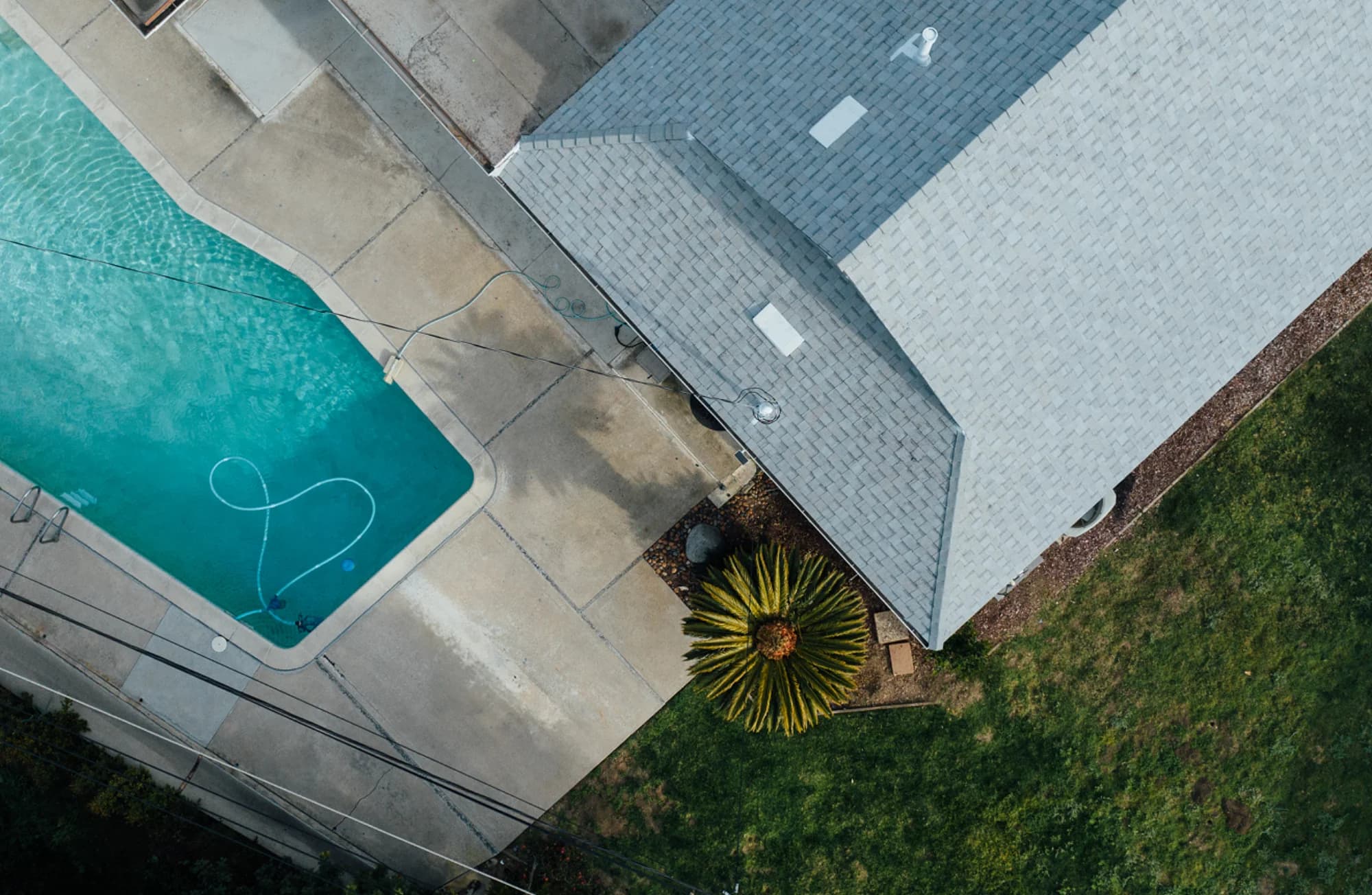
Start with the report, not the assumption. A storm report can confirm that hail or damaging wind was observed nearby. It cannot tell you whether your shingles were hit, whether they were damaged, or whether an insurer will cover repairs.
The useful question is narrower: what was observed, where, when, and by whom? Once you have that context, a roof inspection can answer a different question about your home.
What a storm report actually tells you
A National Weather Service Local Storm Report, often shortened to LSR, relays a specific observation such as hail size, a measured wind gust, or reported damage. Reports may come from trained spotters, emergency managers, weather stations, media, or members of the public. The NWS quality-controls and sanitizes them, but they remain preliminary until they are certified and entered into the official Storm Data record. Read the National Weather Service explanation. (opens in a new tab)
A San Antonio report shows why the event label matters
On August 29, 2026, the NWS Austin/San Antonio office issued a preliminary summary for the previous evening. It recorded a 59 mph measured gust near New Braunfels, a 64 mph measured gust at Kelly Field, and a corridor of tree, utility, and some roof damage through Bexar County. The office described the damage as consistent with straight-line wind. It did not label the event as hail. Read the dated NWS report archive. (opens in a new tab)
That distinction matters. If a storm passed over your San Antonio neighborhood, the report can help you match a time and hazard to what you observed. It still covers points and corridors across a large area. It does not establish what happened at your address.
Remi's San Antonio roofing page explains the local service process if the evidence at your home calls for a closer look.
What the report cannot prove
- That hail or wind struck your particular roof
- That a mark on a shingle was caused by that storm
- That a roof needs repair or replacement
- That a policy covers the event or a claim will be approved
NOAA's Storm Events Database is the place to search certified historical records after preliminary reporting is settled. It is organized around event records and geographic areas, not a roof inspection for one parcel. Search NOAA's official database. (opens in a new tab)
Hail size is not a roof-damage verdict
Hail diameter gets attention because it is easy to picture. Roof response is more complicated. The IBHS impact-resistance protocol uses controlled laboratory impacts to compare the relative performance of asphalt shingles. IBHS says the protocol is for research and product comparison, not insurance claims, legal claims handling, warranties, or legal standards. See the current IBHS protocol. (opens in a new tab)
In plain language, even a good measurement near your home is context, not a diagnosis.
What to do next, without climbing onto the roof
- 1Record the basics. Save the event date, approximate time, and direct report URL.
- 2Photograph what you can see safely. Use ground-level views of roof edges, gutters, siding, and anything that fell.
- 3Check indoors. Note new water spots, damp insulation, or active dripping, including when you first noticed it.
- 4Keep cause and coverage open. Describe what you observed instead of deciding that hail caused it or that insurance will pay.
- 5Ask for an inspection when the evidence warrants one. Give the inspector the report and your dated photos so the roof itself can be evaluated.
There was quite a bit of wind damage, but then the assessor for Remi found a lot of hail damage that I wasn't aware of.
Dianne's experience describes one roof. A professional inspection can document roof conditions, but only the insurer determines whether a loss is covered.
Sources
- 01Preliminary Local Storm Report (opens in a new tab), National Weather Service. Accessed 2026-08-29.
- 02Preliminary Local Storm Report Summary, August 29, 2026 (opens in a new tab), National Weather Service Austin/San Antonio, archived by Iowa Environmental Mesonet. Accessed 2026-08-30.
- 03Storm Events Database (opens in a new tab), NOAA National Centers for Environmental Information. Accessed 2026-08-29.
- 04Impact Resistance Test Protocol for Asphalt Shingles (opens in a new tab), Insurance Institute for Business & Home Safety. Accessed 2026-08-29.