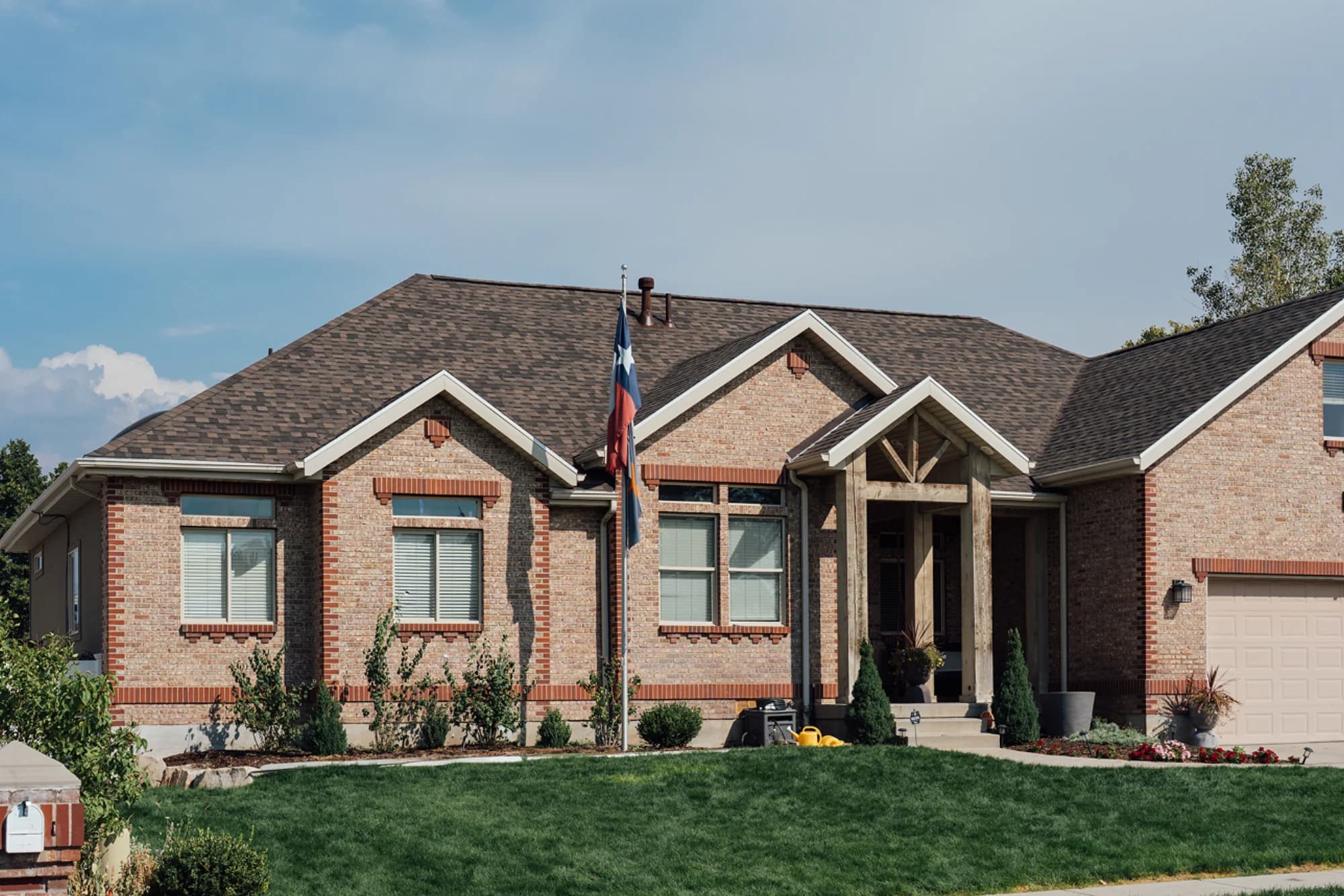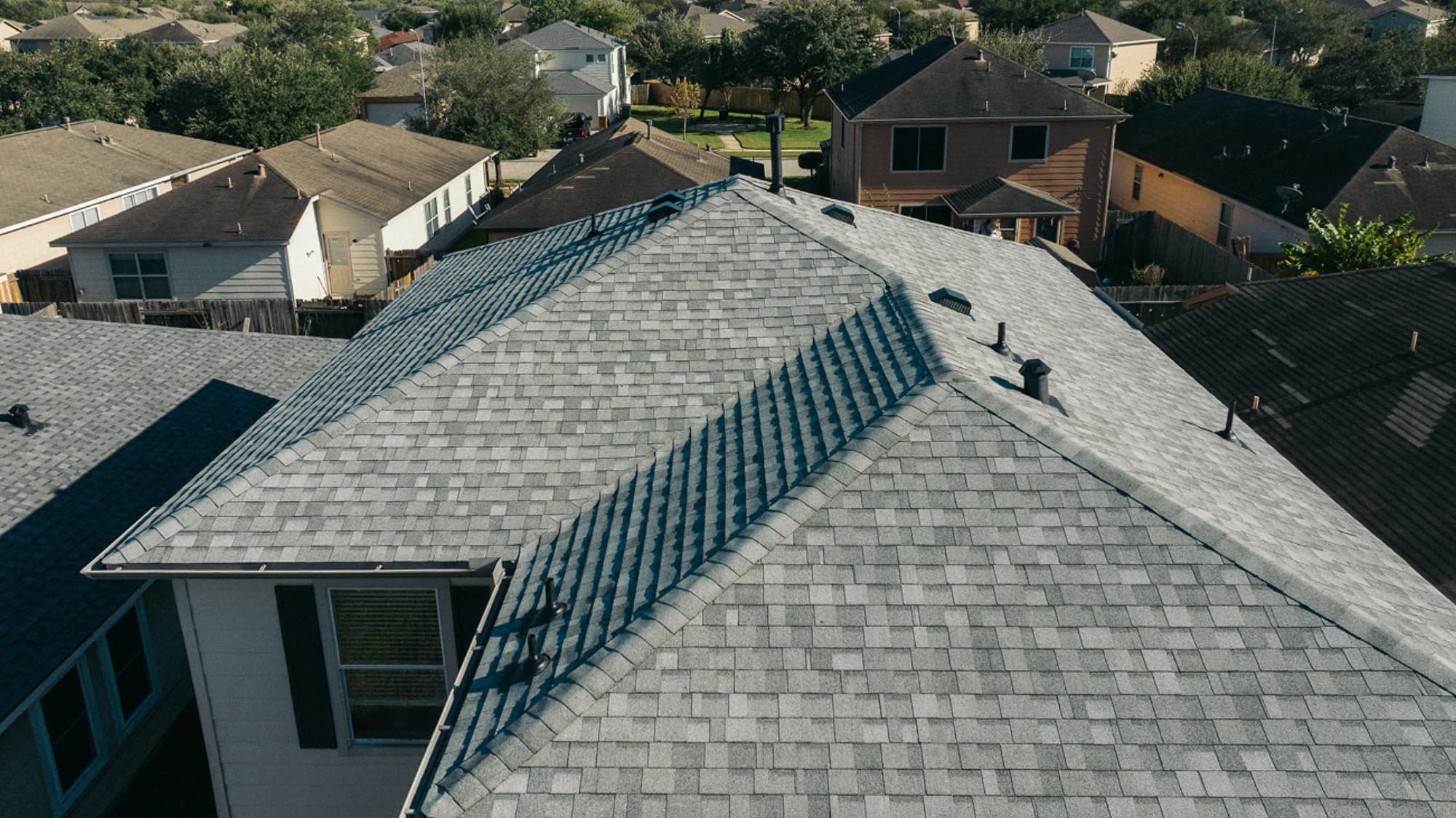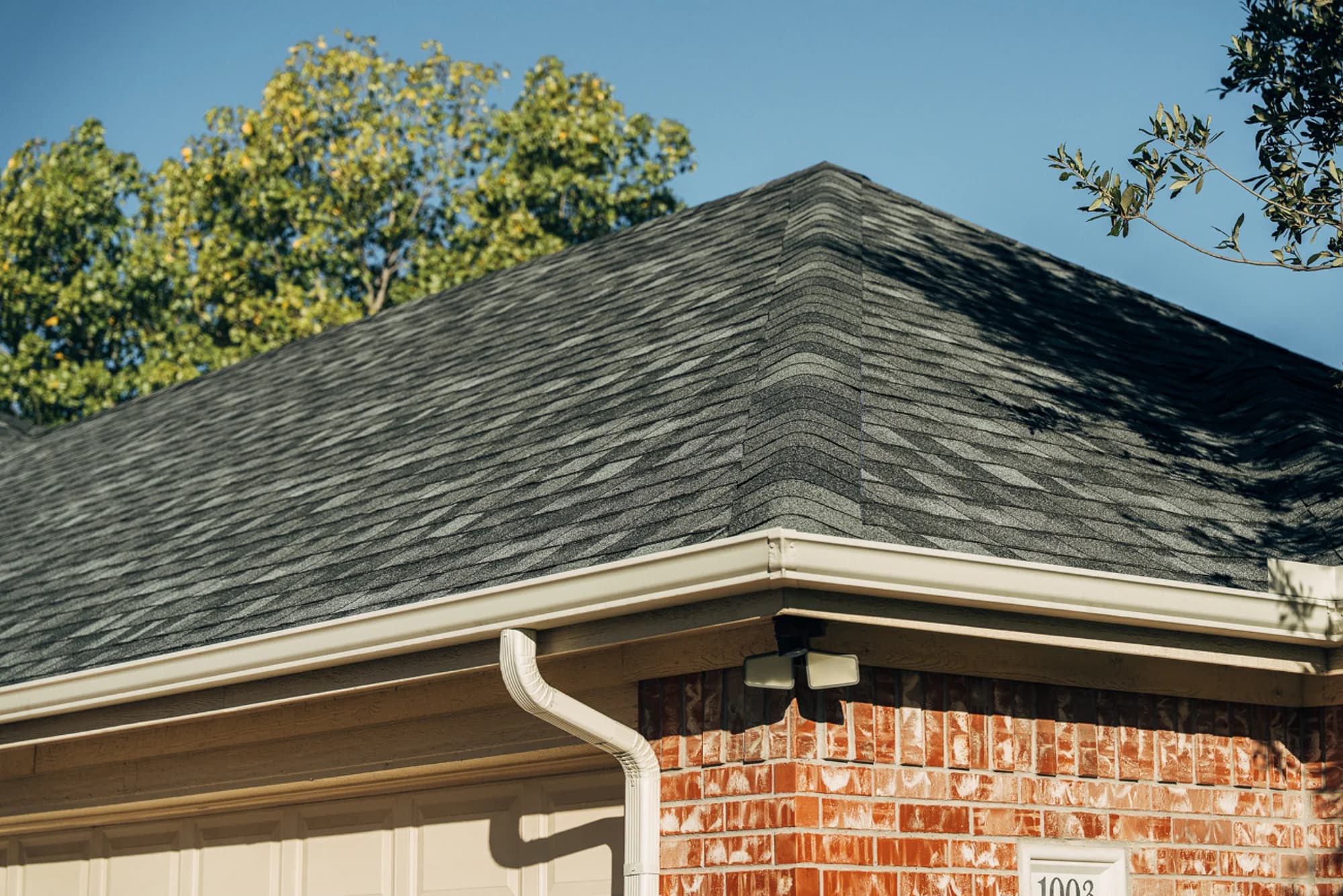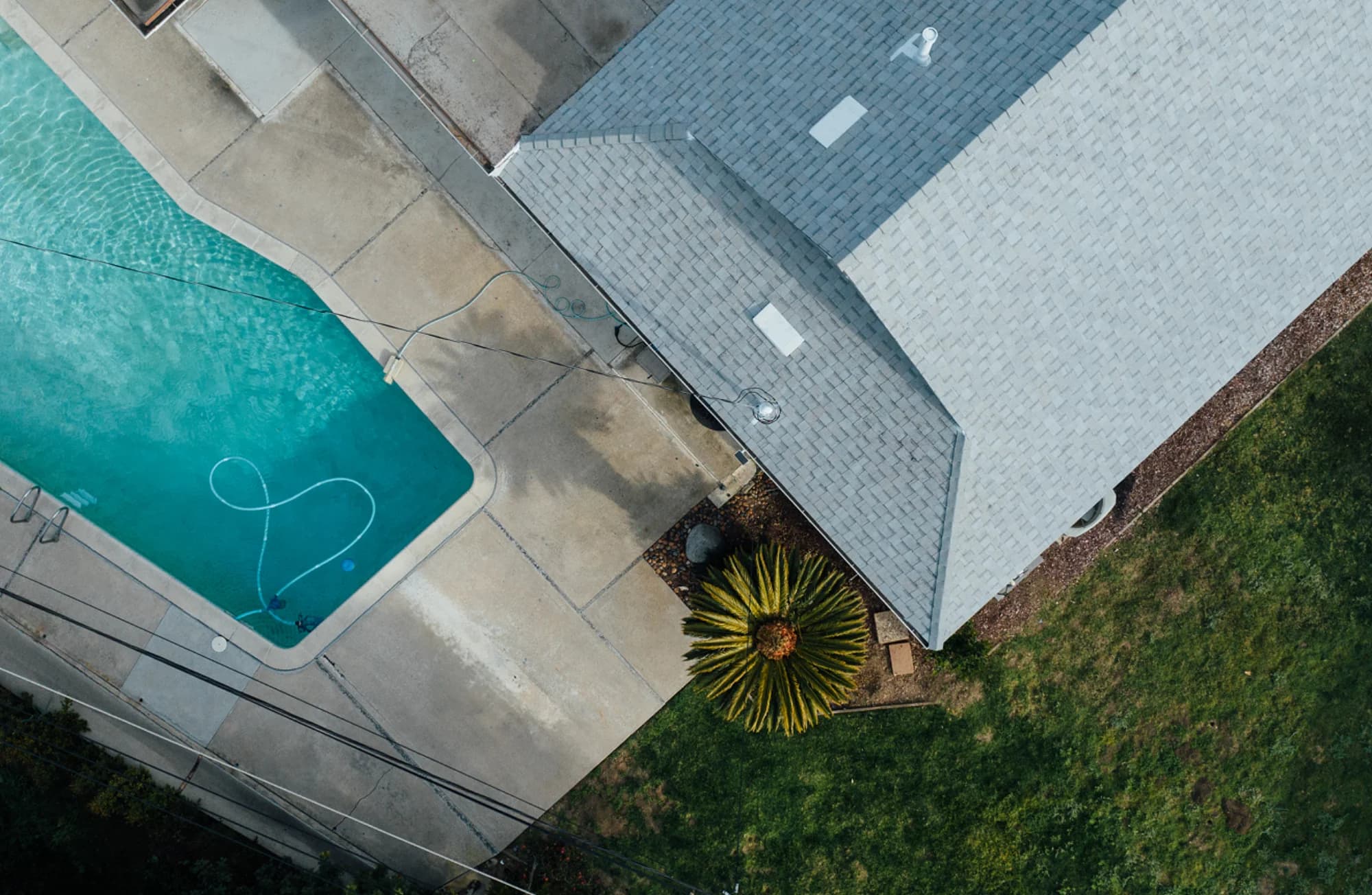
A hailstorm can pass in minutes, leaving damage to your property. But how much damage is there? Who should you talk to first? Who can help assess your property? And what is a good action plan?
This 72-hour framework is an action plan, not an insurance deadline. Your policy may require earlier notice, so check your policy and contact your insurer promptly when you suspect damage.
Look for evidence after the storm
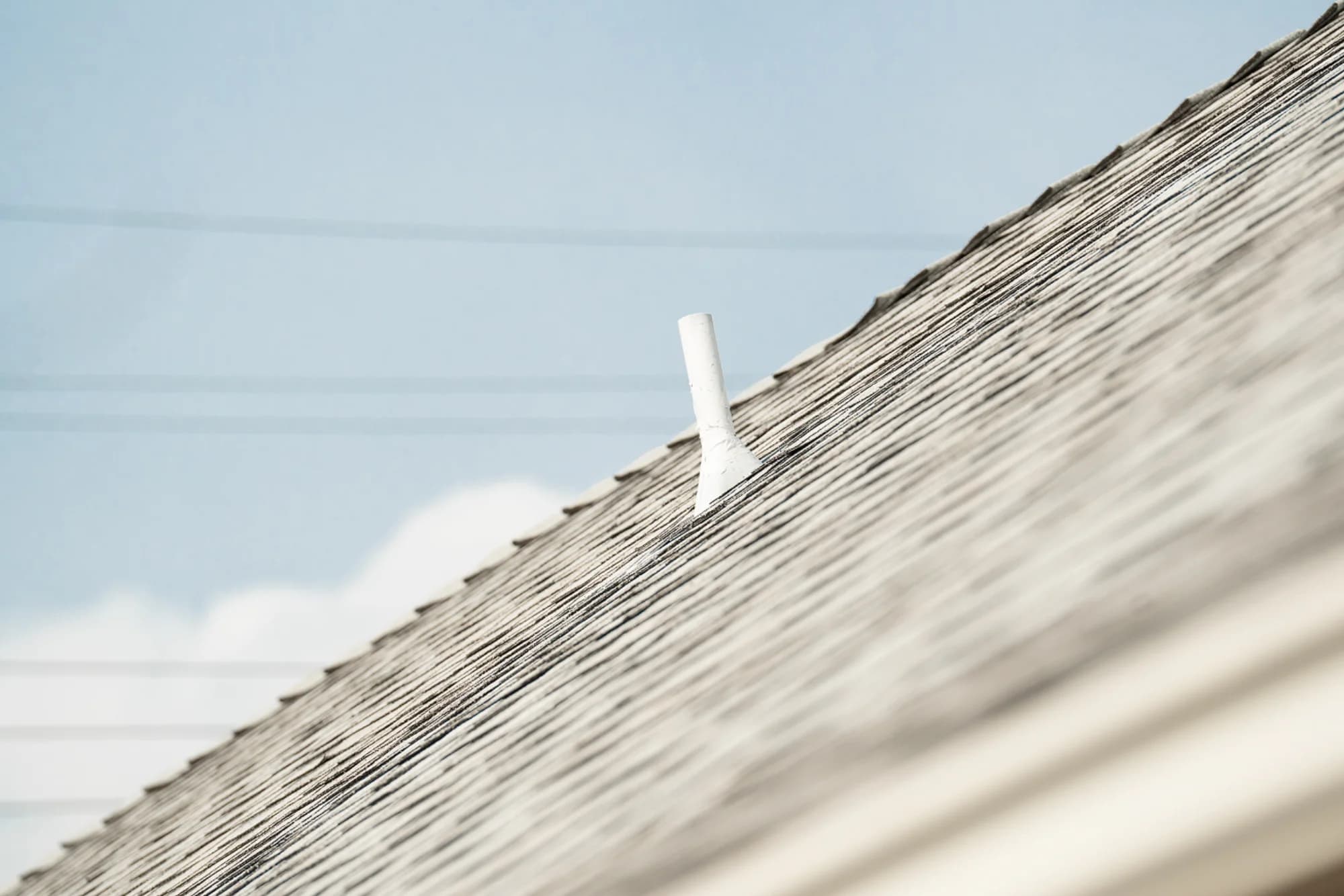
Look for ceiling stains right away. Other clues include dented downspouts and vents, missing shingles, or roofing material in the yard. Photograph visible areas from a safe location. Your safety comes first; let qualified professionals do the detailed roof work.
When you suspect damage, notify your insurer promptly and arrange a professional roof assessment. Timely notice is important, and your policy will explain the requirements that apply to your claim.
Understand who makes each decision
Your insurance company determines whether the loss is covered, applies the policy, and issues the claim decision. Your deductible is part of that decision. Report suspected damage and request an adjuster inspection.
A roofing contractor documents roof conditions before preparing a construction scope and quote for the work you authorize. At any point in the claim, Remi can provide a roof quote while helping with the roofing side of the process. Remi stands alongside the homeowner and insurer, explains the roof scope and project process, and does not replace the insurer or decide coverage. You can learn more in Remi's insurance and claims FAQ.
Know when to file a roof insurance claim
If water is entering the home or emergency mitigation is required, contact the insurer immediately. If there is no active leak, Remi can help determine whether the conditions should be documented and inspected for a potential claim.
During a first visit, we gather basic facts and note visible damage. We ask about the age of the roof, known leaks, prior repairs, and whether solar panels are installed. The visit may also reveal an active leak or unsafe condition that was not obvious from inside the home.
This early conversation creates a stronger record of the property's condition and helps you understand what the insurer may need before an adjuster visit. It is also the right time to ask whether wind or hail is covered, whether a separate deductible applies, how the roof's pre-storm condition affects the claim, and whether roof-specific settlement terms apply.
Policy terms, the cause of loss, state requirements, deductibles, and repair costs can all affect the decision to file. Ask your insurer what notice requirement applies so that inspection scheduling does not cause you to miss a deadline.
A practical roadmap
Remi's 72-hour hail response plan
Use this framework to stay organized and give both your roofer and insurance company a clear record. It is a roadmap—not an insurance deadline.
Hours 0–6
Make the property safe to approach
Wait until the severe-weather threat has passed and continue monitoring local alerts. The National Weather Service (opens in a new tab) advises people to avoid damaged buildings and report downed power lines to local authorities.
Never climb onto a wet or storm-damaged roof. Hail and wind can loosen materials or create weak areas. Start your review from the ground and enter the attic only if the space is dry and free of electrical or structural hazards.
- Move people and pets away from a sagging ceiling or broken skylight.
- Keep clear of electrical hazards and signs of structural movement.
- Place a container under an active drip only if the area is safe.
- Move undamaged belongings away from the leak when it is safe to do so.
- Photograph interior water entry before cleanup, using both wide views and close-ups.
- Leave the area if water is near wiring or the electrical panel.
- Call a qualified roofer or mitigation company if temporary protection is needed. Do not install a roof tarp yourself.
Hours 6–12
Build a storm-damage record
Good documentation gives the insurer and roofer the same starting point. Record the date and approximate storm time, save relevant weather alerts, and take date-stamped photos or videos from safe locations.
Photograph each side of the home from the ground. Look for missing shingles, exposed underlayment, dented gutters, damaged flashing, broken skylights, or fallen branches. Inside, document stains, damp insulation, and active drips.
The National Association of Insurance Commissioners (opens in a new tab) recommends documenting losses before cleanup and limiting temporary repairs to reasonable work that prevents more damage. Keep every receipt, and request photos plus a written description when a contractor performs emergency work.
Hours 12–24
Notify the insurer when damage is suspected
When water is entering the home, do not wait for the 72-hour mark. Prompt action also matters when roof material is missing, broken glass is present, or emergency mitigation is needed.
The NAIC notes that insurers commonly set reporting requirements. Contact the company or agent as soon as possible and follow your policy.
Ask the insurer:
- What reporting deadline applies to this loss?
- Which deductible applies to the roof damage?
- Is there a separate wind or hail deductible?
- Is the roof settled at replacement cost value or actual cash value? See the NAIC explanation (opens in a new tab).
- What temporary work may be completed now?
- What documentation is required for that temporary work?
- When will the adjuster inspect the property?
- May the roofing contractor attend the inspection?
- How should later photos or scope changes be submitted?
Actual cash value generally accounts for depreciation, while replacement cost value generally reflects like-kind replacement. Confirm the details with your insurer because policy terms, deductibles, limits, and roof-specific provisions still apply.
Hours 24–48
Get a roof assessment based on evidence
Hail damage is not always visible from the driveway, and not every mark came from the latest storm. Remi's licensed and insured roofing team can assess the roof system, document each relevant slope, separate observed storm conditions from age or maintenance issues, and explain the proposed construction scope.
A written record should cover roof materials, flashing, vents, skylights, gutters, and visible decking concerns. For a home with solar, it should also document panel access, mounting locations, and visible conditions around roof penetrations.
A contractor can explain what it observes and recommend a construction approach while leaving coverage decisions to the insurer.
After hail damage and a trampoline landing on our roof, our adjuster recommended Remi.
This homeowner's experience does not guarantee a particular claim decision or project result.
Hours 48–72
Compare the records that describe the loss
By the third day, try to understand the three records that may describe the same loss in different ways:
- 1Your policy or coverage summary
- 2The roofer's assessment and construction scope
- 3The adjuster report or insurer estimate
Start with the policy or coverage summary. Then compare the roofer's assessment and construction scope with any available adjuster report or insurer estimate.
Compare these details between records:
- Roof measurements
- Damaged components
- Flashing
- Gutters and disposal
- Permits
- Solar work, if present
If documents differ, ask each party to explain its scope in writing. The insurer should also explain how to submit additional documentation when conditions change after work begins.
Solar repair details that can prevent added expense and delays
Tell the insurer and roofing contractor about your solar system at the beginning. Before roof work starts, the panels may need to be shut down, removed, and stored. After the roof is complete, they need to be reinstalled and inspected. The plan should identify who is responsible for coordinating each step.
A common scope gap occurs when the roof is approved but solar coordination remains incomplete. The written plan should identify who disconnects and removes the panels, where they will be stored, and who reinstalls and tests them.
The scope may not state how many panels must come off, who performs each step, or whether both removal and reinstallation are included. Compare the insurer's estimate with the actual cost and timing of the solar work, and ask for answers in writing before the roof project begins.
Remi's roofing and solar service combines panel removal, roof work, reinstallation, and panel storage into one coordinated project.
[Remi worked] with my solar company to coordinate the schedule for removal and reinstall around the module team to minimize my down time.
What happens next when you work with Remi
Once a homeowner decides to proceed, Remi follows a specific project sequence. The insurance and roofing processes continue in separate lanes: the insurer handles coverage, while Remi confirms and completes the authorized construction work.
| Remi project stage | What the homeowner should expect |
|---|---|
| Detailed quote | Remi prepares a quote for the full roof project. |
| Scope confirmation | Remi reviews the planned work and expected materials before scheduling. |
| Permits and scheduling | Remi pulls required permits and schedules the roof work. |
| Roof work and verification | The crew completes the authorized work. Remi then checks the workmanship. |
| Final inspection | Remi schedules a final inspection and checks the completed work again. |
We keep homeowners informed through text updates and access to a project milestone tracker. Our guaranteed price applies to eligible projects involving insurance or solar, subject to the construction contract. There are no hidden costs or mid-project markups for covered work. If covered repairs such as damaged decking are discovered during the project, the homeowner's price does not change.
This price promise is based on Remi's construction contract; it does not determine what the insurance policy covers.
If replacement is needed, Remi can help with shingle selection
Choosing a shingle involves more than picking a color. Remi considers factors such as sealant strength and local weather challenges, including wind and hail exposure.
The Insurance Institute for Business & Home Safety developed a scientific, repeatable impact-resistance test protocol (opens in a new tab) for asphalt shingles. Its laboratory testing mimics key properties of natural hail and compares performance across damage modes such as dents, tears, and granule loss.
Remi can use product testing and local conditions to help you evaluate shingles that offer reliable protection for your home. The IBHS protocol is designed for research and product comparison, not for insurance claim decisions, warranties, or legal standards.
What to have ready for the first roofing conversation
Collect the information that helps the insurer and roofer understand the same event:
- The property address and storm date
- The approximate time of the storm
- Ground-level and interior photos
- Evidence of active water entry
- A list of temporary repairs and related receipts
- The claim number, if a claim has been opened
- The adjuster's contact information, if available
- The roof's approximate age and known prior repairs
- Available roof warranty records
- Solar system details and the installer's name, when known
Building a perfect file should not delay urgent mitigation or policy notice. The goal is to preserve evidence and make the next conversation more productive.
Take the next step based on the evidence
When you are ready, contact Remi. We can prepare a detailed quote for your project and explain the construction process. Remi works with fully licensed and insured contractors, keeps you informed at every stage, and provides a fixed price so you know the final project price up front.
Sources
- 01National Weather Service: What to do after severe weather (opens in a new tab)
- 02NAIC: After the storm, read the fine print (opens in a new tab)
- 03NAIC: Replacement cost versus actual cash value for roofs (opens in a new tab)
- 04Federal Trade Commission: Avoid scams after weather emergencies (opens in a new tab)
- 05IBHS: Impact-resistance test protocol for asphalt shingles (opens in a new tab)
- 06Remi insurance, roofing, and solar FAQs